Choosing the right power drill is one of the most important equipment decisions a contractor can make. On a construction site, your drill isn’t just another power tool it’s a daily workhorse. Whether you’re drilling into concrete, fastening structural components, installing fixtures, or handling repetitive site tasks, the drill you choose directly affects your speed, accuracy, and long‑term productivity.
With so many models available across the US and Australia, it’s easy to feel overwhelmed. The key is understanding the core features that actually matter drill type, torque, RPM, voltage, ergonomics, and job‑specific requirements. Once you know how these elements work together, choosing the right drill becomes a straightforward, cost‑effective decision.
In my experience and from regular discussions with site supervisors, tool suppliers, and equipment specialists, the right power drill choice comes down to matching drill type, torque, and runtime to the actual work being done on site. Industry guidance and manufacturer specifications consistently show that cordless drills suit most general construction tasks, while corded and hammer drills perform better for continuous load or masonry work. Selecting based on job demands rather than brand or price usually improves productivity and reduces fatigue over long shifts.
1. Understand the Main Types of Power Drills
Different construction tasks demand different levels of power, control, and durability. Selecting the right drill type ensures you’re not overworking your tool or yourself.
Cordless Drill/Driver
The most common and versatile choice for contractors.
- Ideal for framing, cabinetry, decking, and general construction
- Offers complete mobility with no cords to manage
- Runs on rechargeable battery platforms (18V/20V are industry standards)
- Great for fast-paced job sites where flexibility matters
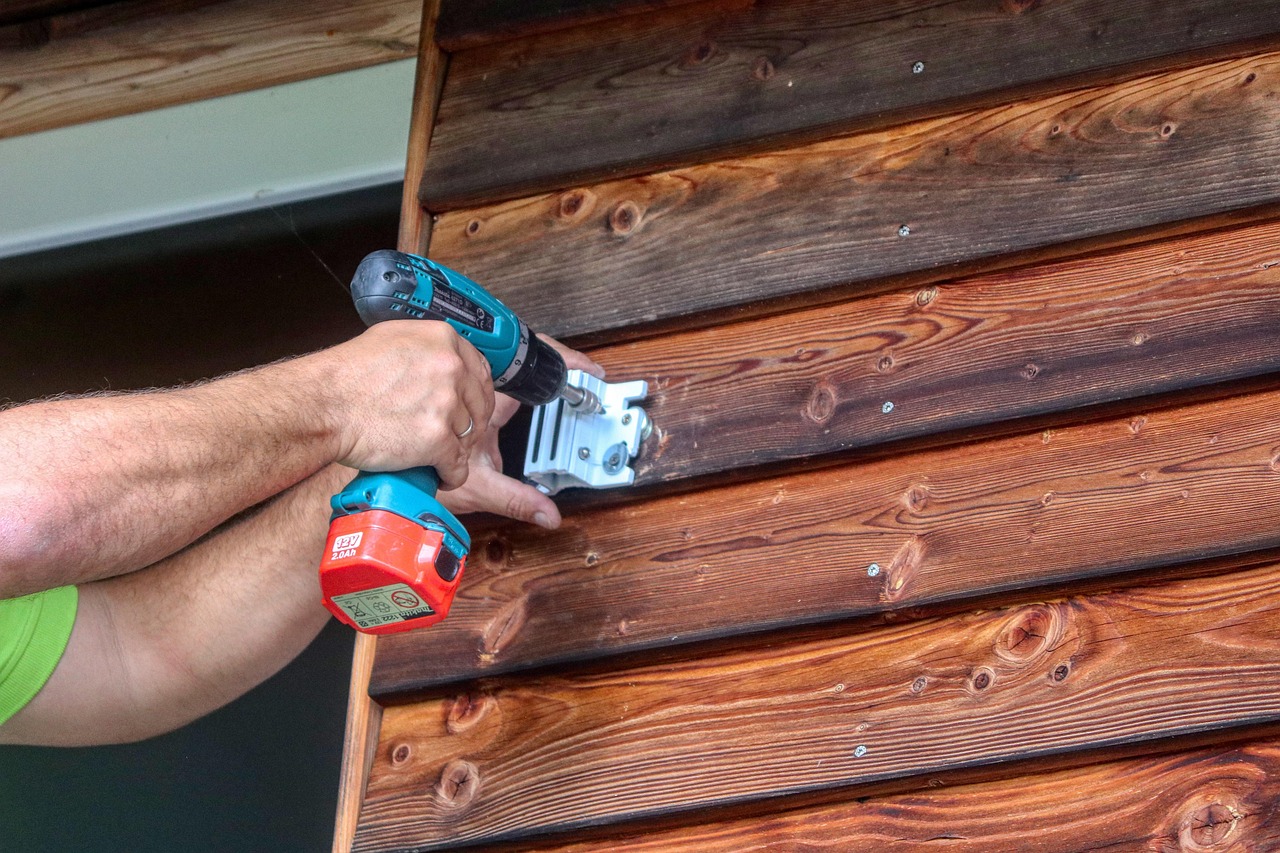
Cordless drills are the go‑to option for most professionals because they balance power, convenience, and portability.
Corded Drill
A reliable option when you need consistent, uninterrupted power.
- No downtime waiting for batteries to recharge
- Strong torque output for demanding tasks
- Requires access to a power source
- Often lighter than cordless models because there’s no battery weight
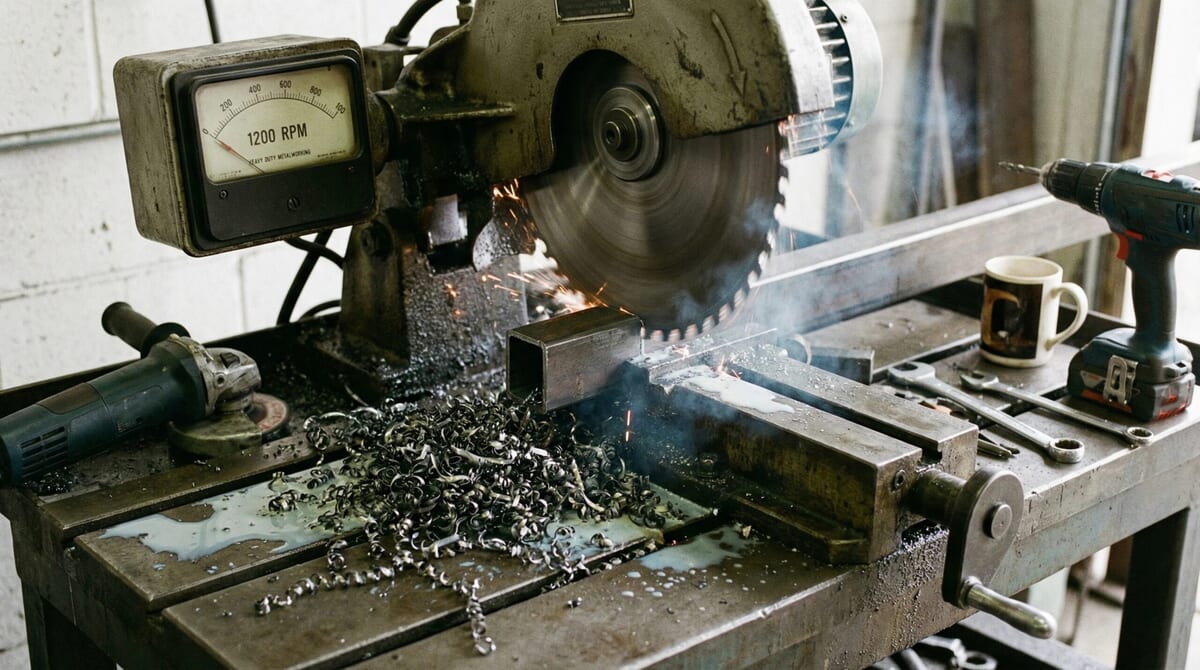
Corded drills are ideal for workshops, metal fabrication, and long drilling sessions where constant power is essential.
Hammer Drill
Built for concrete, brick, and masonry work.
- Combines rotational drilling with a hammering action
- Breaks apart dense materials as you drill
- Essential for anchor holes, masonry screws, and heavy-duty construction tasks
If your work involves concrete or brick, a hammer drill is non‑negotiable.
Impact Driver
Not technically a drill, but commonly paired with one.
- High torque for driving screws, bolts, and lag fasteners
- Compact size for tight spaces
- Ideal for framing, decking, roofing, and metal fasteners
Impact drivers excel at fastening tasks that would strain a standard drill.
2. Key Specifications That Matter
Understanding drill specifications helps you avoid buying a tool that’s underpowered or unnecessarily expensive.
Voltage (V)
Voltage determines the drill’s overall power capacity.
- 12V → Light-duty tasks, compact and lightweight
- 18V/20V → Standard for construction and professional use
- 36V+ → Heavy-duty, specialized drilling and industrial applications
Higher voltage means more power, but also more weight. For most contractors, 18V/20V hits the sweet spot.
Torque (Nm or in‑lbs)
Torque is the force that allows the drill to turn tough materials.
- High torque → Concrete, metal, hardwood
- Low torque → Soft materials, precision drilling
Torque is one of the most important indicators of a drill’s real-world strength. If you regularly drill into dense materials, prioritize torque over speed.
RPM (Speed)
Most contractor-grade drills offer two speed settings:
- Low RPM → High torque for tough materials
- High RPM → Fast drilling for softer materials
Torque and RPM work together. A good drill should let you switch between power and speed depending on the task.
Chuck Size
The chuck determines the maximum bit size your drill can hold.
- 3/8″ → Light-duty, smaller bits
- 1/2″ → Construction-grade, suitable for larger bits and tougher materials
For professional construction work, a 1/2″ chuck is the standard.
3. Match the Drill to the Job Type
Different trades and tasks require different drill characteristics.
Framing & Carpentry
- 18V cordless drill
- Medium torque
- High RPM for fast drilling
- Good for repetitive tasks like studs, joists, and decking
Concrete & Masonry
- Hammer drill
- High torque
- Carbide masonry bits
- Essential for anchor bolts and structural fasteners
Metal Fabrication
- Corded or high‑torque cordless drill
- Low RPM for control
- Cobalt or titanium bits
General Contracting
- 18V cordless drill
- Brushless motor for longer life
- 2‑speed gearbox for versatility
4. US vs AU Market Differences
While the fundamentals are the same, the tool markets in the US and Australia have some differences.
United States
- Popular brands: DeWalt, Milwaukee, Makita
- 20V MAX platforms widely used
- Combo kits are common and competitively priced
- Big retailers: Home Depot, Lowe’s, Ace Hardware
Australia
- Popular brands: Makita, Ryobi, DeWalt
- 18V platforms dominate the market
- Bunnings Warehouse is the primary retailer
- Many AU models are region‑specific due to voltage standards
5. Ergonomics & Safety Features
A drill should feel comfortable and safe during long workdays. Poor ergonomics lead to fatigue, mistakes, and even injuries.
Look for:
Anti‑kickback control to prevent wrist injuries
Rubberized grip for better handling
Balanced weight distribution to reduce fatigue
LED work light for visibility in tight or dark spaces
Side handle for stability during heavy drilling
A well‑designed drill reduces strain and improves accuracy especially during repetitive tasks.
Choosing the right power drill isn’t just about picking the most powerful model. It’s about understanding your work style, the materials you handle, and the environments you work in. Once you know the basics torque, RPM, voltage, and drill type you can confidently select a tool that performs reliably on any construction site.
A well-chosen drill saves time, reduces fatigue, and improves the quality of your work. It’s an investment in your efficiency and your safety.
Source:
- HSS: Drill Buying Guide – Everything You Need to Know
- Tooluxuries: How to Choose the Right Power Drill for Your Projects
- Tools Advisers: How to Choose a Power Drill?
Power Drill Comparison Chart (Contractor‑Friendly)
This chart gives a clear, at‑a‑glance breakdown of the four most common drill types used in construction.
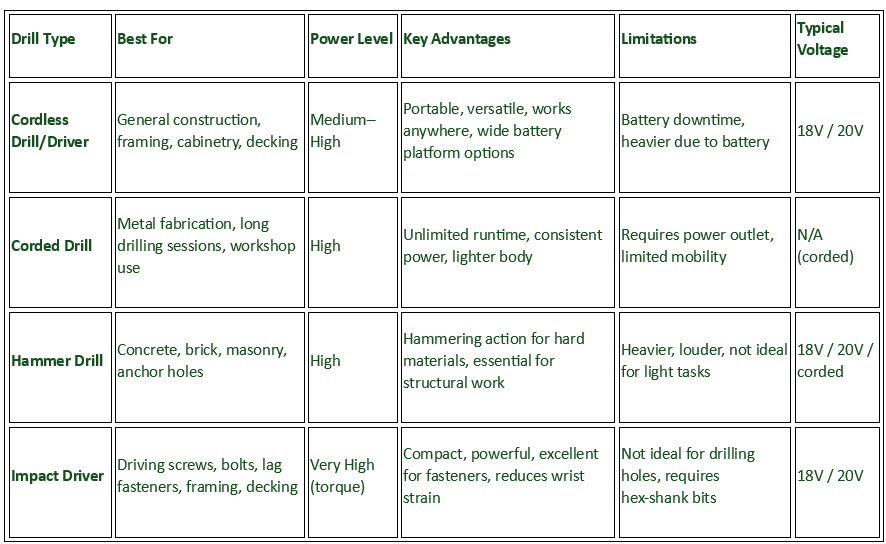
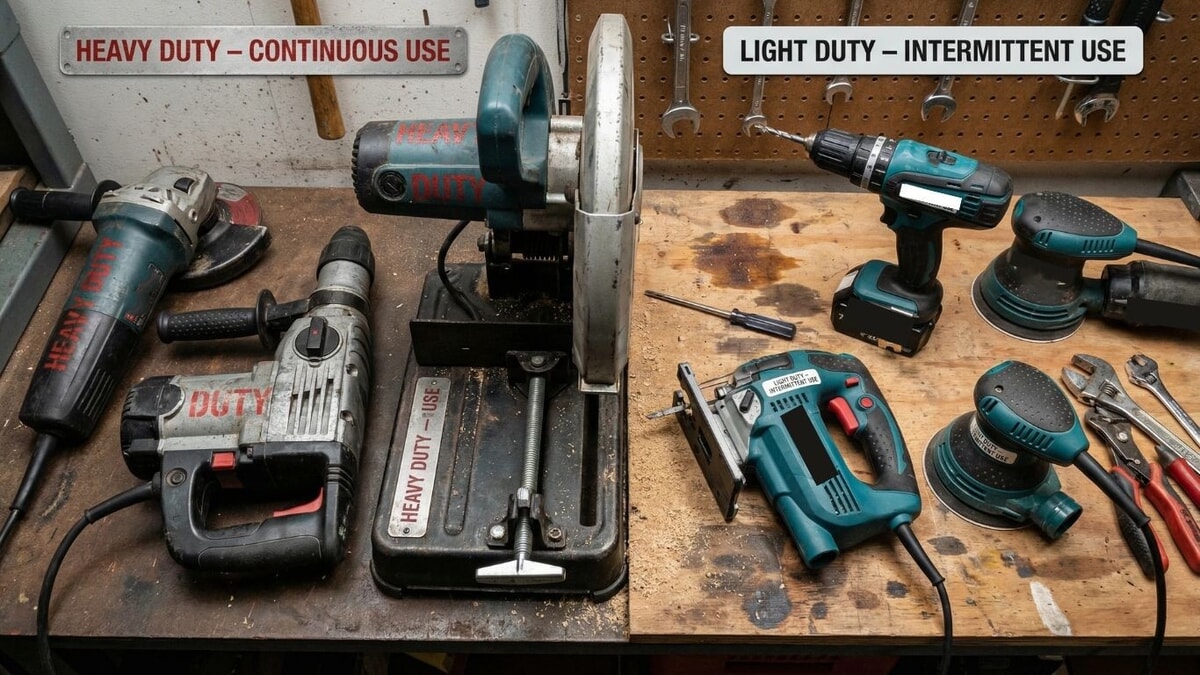
In my experience reviewing jobsite performance and manufacturer specifications, contractors typically select cordless drills for mobility and day-to-day fastening, corded drills for continuous high-load drilling, and hammer drills for concrete and masonry applications. Industry standards and supplier data emphasize evaluating torque output, RPM range, battery platform compatibility, ergonomics, and duty cycle rather than relying on advertised power alone. Choosing a drill that matches material type, work frequency, and site power availability usually delivers better reliability, safer operation, and stronger long-term value.
FAQ : Frequently Ask Question
- What factors should be considered when choosing the right power drill for construction work?
The right power drill for construction work should be selected by evaluating torque delivery, duty cycle, and gearbox quality in relation to the actual workload. Drills with similar voltage ratings can perform very differently under sustained use due to variations in motor efficiency, heat management, and gear materials. For demanding construction tasks, attention should be given to how well a drill maintains torque under load, manages heat buildup, and withstands long operating periods without excessive wear. Manufacturer specifications and industry guidance also emphasize the importance of clutch precision, chuck accuracy, and vibration control, all of which influence drilling performance, operator comfort, and long-term tool reliability. - Why is matching a drill to the job type more important than choosing by power rating alone?
Selecting a drill based solely on voltage or advertised power can lead to poor performance in real working conditions. For masonry or concrete applications, impact energy and hammer mechanism quality play a greater role than raw RPM. For structural fastening or repetitive drilling, stable low-speed torque and controlled clutch performance help prevent fastener damage and improve accuracy. Tools designed with strong heat control, stable torque output, and durable internal components typically deliver better productivity and longer service life than those chosen only for high power ratings. Matching the drill’s design and performance characteristics to the specific job ensures safer operation and more consistent results on site. - How do I choose the right power drill for construction work?
In my experience and from working alongside site supervisors and tool suppliers, the right power drill is chosen by matching torque delivery, duty cycle, and gearbox quality to the real workload not just voltage or brand name. Many people overlook that two drills with the same battery rating can behave very differently under sustained load because motor efficiency, heat management, and gear material directly affect how long the drill can hold torque without overheating or premature wear. For concrete or masonry, impact energy and hammer mechanism quality matter more than raw RPM, while for structural fastening, consistent low-speed torque control prevents cam-out and fastener damage. Manufacturer data sheets and industry guidelines also highlight the importance of clutch accuracy, chuck runout, and vibration control, which directly influence drilling accuracy and operator fatigue over long shifts. Selecting a drill based on how it manages heat, load stability, and mechanical durability usually delivers far better productivity and tool life than simply buying the highest advertised power rating.
Sources & Further References:
OSHA Power Tool Safety Guidance (USA)
National WorkSafe / Construction Safety Guidance (NZ & AU)
Looking for your next deep dive? Explore our recommended article below and continue building your technical edge.
Editors Disclaimer
This article is for educational purposes only, and readers should always refer to the manufacturer’s official specifications and safety guidelines for exact application requirements.