Simple maintenance tips to keep your drills, saws, and grinders running longer. Save money, improve safety, and prevent tool damage.
How to Maintain Drills, Saws, and Grinders for Longer Life
Intro: Why Tool Maintenance Matters
In construction, tools are more than equipment they’re investments. Drills, saws, and grinders work hard on job sites, absorbing dust, vibration, and tough materials every day. Without proper care, performance drops and replacement costs skyrocket. This guide dives into practical, field-tested maintenance methods that help you keep essential tools running longer and safer based on real site experience, expert recommendations, and industry best practices.
1) GENERAL MAINTENANCE PRINCIPLES FOR ALL TOOLS
Whether it’s a cordless drill or a concrete grinder, a few universal habits make a huge difference:
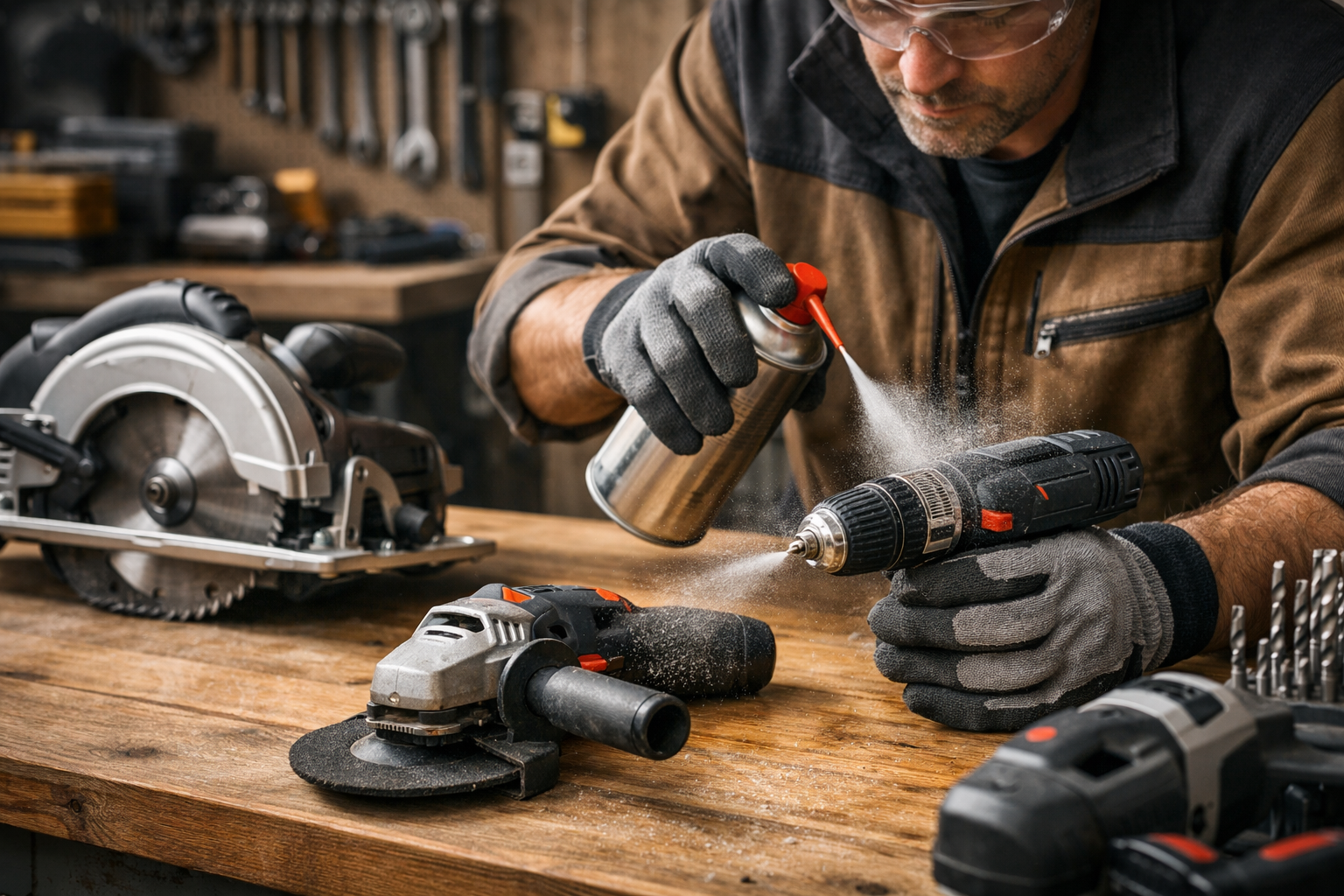
- Clean After Every Use: Dust, metal filings, and debris build up quickly. Wiping tools down with a dry cloth and using compressed air to clear vents preserves airflow and prevents overheating.
- Inspect Cords & Batteries
Damaged cords or weak batteries can cause performance drops and safety risks. Look for cracks, frays, or loose connections replace immediately. - Proper Storage
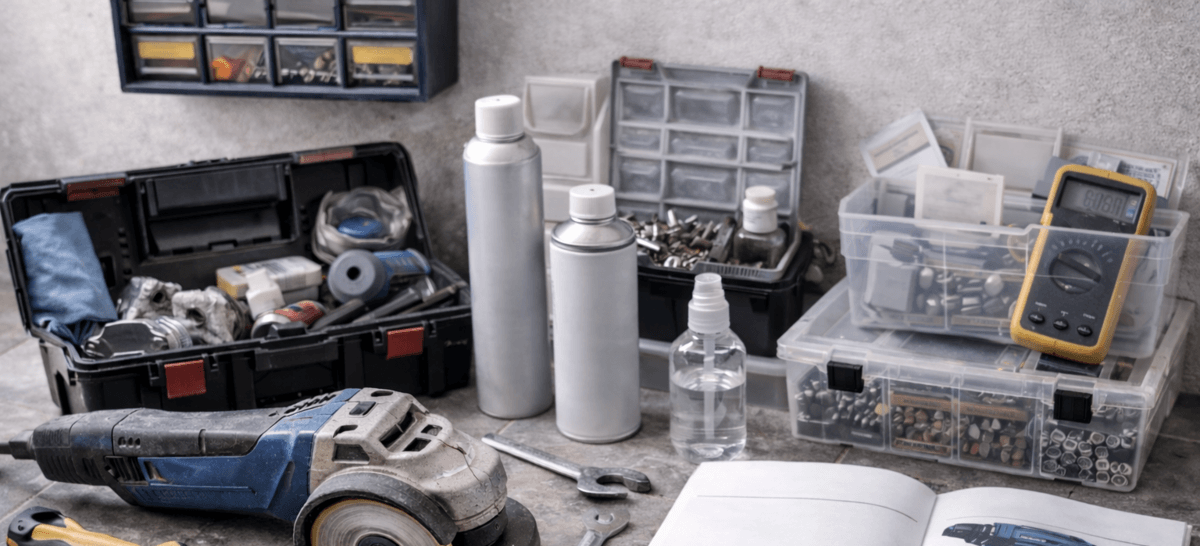
Store in a cool, dry place not in dusty trucks or outdoors. Use:
-Toolboxes
-Racks with partitions
-Protective cases (especially for cordless tools) - Lubrication: Moving parts gears, shafts, bearings need proper lubrication. Use the manufacturer-recommended grease or oil. This cuts friction and prevents premature wear.
2) DRILL MAINTENANCE: KEEPING ROTATION SMOOTH
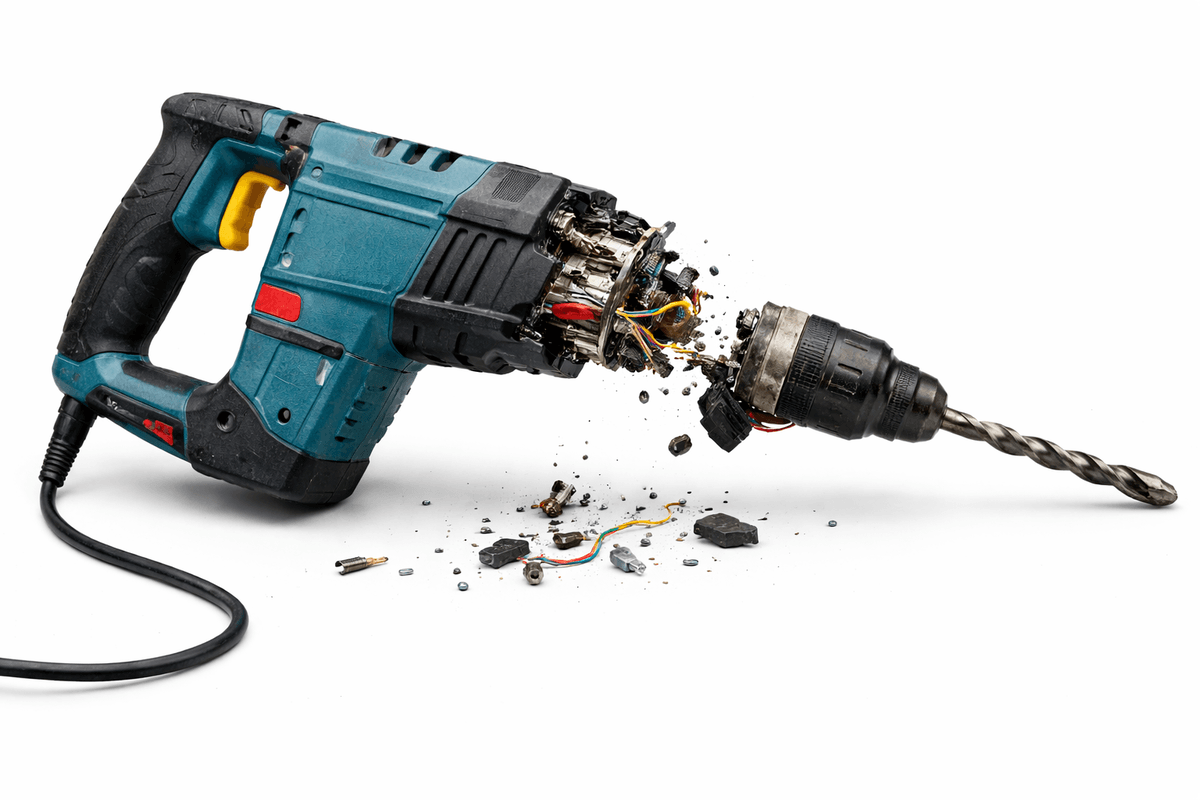
Drills are used for everything from wood to reinforced concrete and each application punishes the tool differently.
Maintenance Checklist
- Chuck Care: Clean and oil the chuck regularly to prevent jamming.
- Bit Checks: Always use sharp, correct bits. Dull bits strain the motor and lead to overheating.
- Vent Inspection: Clogged vents reduce cooling. Blow out debris with compressed air before it builds up.
- Battery Care (Cordless Drills): Charge batteries before they fully drain. Avoid extreme temperatures that kill cell life.
- Pro Tip: Store drill bits in labeled holders to prevent damage and extend their life this keeps shanks straight and cutting edges sharp.
3) SAW MAINTENANCE: PRECISION CUTS START WITH CARE
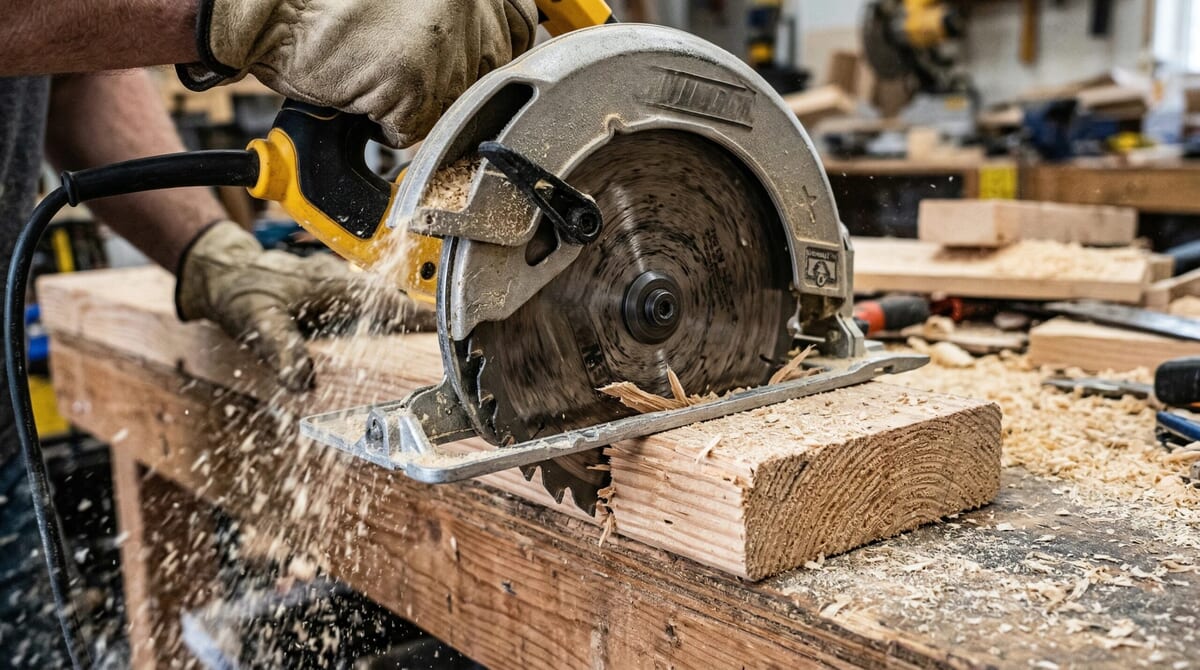
From circular saws to reciprocating saws, these tools deliver power and speed but they require attention.
Blade Health
- Clean resin or pitch buildup with blade cleaner
- Avoid rust by drying blades before storage
Alignment & Tension
Check:
- Blade tracks
- Tension settings
- Guard movement
Misalignment accelerates wear and produces rough, unsafe cuts.
Safety Features
Keep blade guards moving freely do not oil the guard area where dust builds up, as it may gum the mechanism. Instead, lightly brush clean.
4) GRINDER MAINTENANCE: HANDLING HIGH SPEED
Grinders run at high RPM and generate intense heat. Neglecting them reduces grinding efficiency and increases risk.
Key Maintenance Steps
Wheel Inspection: Damaged or warped wheels cause vibration and unsafe operation. Replace at the first sign of cracking.
Guard & Shield Care: Secure and clean guards they protect you from sparks and debris.
Motor Cooling: After heavy use, let grinders cool before storing. Overheating shortens motor life.
Cable & Plug Checks: Frayed cords or loose plugs can cause electrical shorts — replace them promptly.
5) SPECIAL MAINTENANCE HABITS FOR DEMANDING ENVIRONMENTS
Construction sites are rugged. Tools face moisture, concrete dust, and extreme use cycles.
Keep Tools Dry
Moisture accelerates corrosion. After rainy days or accidental exposure:
- Dry tools thoroughly
- Wipe with lightly oiled cloth if storing long-term
Dust & Abrasive Protection
Use compressed air daily not just weekly. Cement dust and metal shavings accelerate wear like sandpaper on internal parts.
Calibration & Testing
Periodically check torque settings, guard alignments, blade balance, and spindle run-out to maintain accuracy.
6) SAFETY FIRST: MAINTENANCE REDUCES RISK
Well-maintained tools are safer tools. Neglect increases:
⚠ Kickback risk
⚠ Electrical shorts
⚠ Blade shattering
⚠ Uncontrolled movement
Always wear PPE (eye protection, gloves, ear protection) during cleaning and inspection.
7) RECOMMENDED ACCESSORIES & SUPPLIES
- Tool Lubricants & Cleaners
- Compressed Air Canisters & Nozzles
- Battery Maintenance Chargers
- Blade & Bit Storage Organizers
8) QUICK CHECKLIST FOR DAILY MAINTENANCE
- Wipe tool exterior
- Blow out vents
- Inspect cords / batteries
- Check blades / bits
- Test safety features
- Store in protective case
9) KEY TAKEAWAYS FOR LONG TOOL LIFE
- Clean tools after every job
- Inspect before and after use
- Use correct consumables (blades, bits, wheels)
- Store properly protect from dust & moisture
- Follow manufacturer recommendations exactly
FAQ : FREQUENTLY ASKED QUESTIONS : TOOL MAINTENANCE & COMMON MISTAKES
-
How often should construction power tools really be serviced daily, weekly, or monthly?
Power tools benefit from layered maintenance, not just occasional cleaning. Light cleaning should happen after every job wiping surfaces, blowing out vents, and checking visible wear. Weekly inspections should focus on blade condition, chuck tightness, guard movement, and cord or battery health. Monthly or quarterly servicing should include deeper inspection, lubrication where allowed, torque checks, and calibration if the tool supports it. This layered approach mirrors how equipment is maintained in professional workshops and industrial environments frequent small care prevents expensive failures later.
-
Is compressed air safe for cleaning drills, saws, and grinders?
Compressed air is effective when used correctly. Short bursts at moderate pressure help remove dust from cooling vents, housings, and motor openings without forcing debris deeper into the tool. Avoid blasting directly into bearings or sealed electronic compartments. Always wear eye protection, as debris can become airborne instantly. In dusty construction environments, compressed air used daily dramatically reduces heat buildup and airflow restriction two major causes of premature motor wear.
-
What are the most common mistakes that shorten tool lifespan?
The most damaging mistakes are surprisingly simple:
• Using dull blades or worn grinding wheels, which overload motors
• Storing tools in damp or dusty areas
• Ignoring clogged ventilation ports
• Overloading tools beyond their design limits
• Skipping routine inspection of cords, batteries, and guards
Many failures blamed on “cheap tools” actually come from avoidable handling habits. Consistent basic care often doubles usable service life and maintains safer operation.
-
Can regular maintenance really improve safety, or is it mostly about saving money?
Maintenance directly improves safety. Clean ventilation prevents overheating, properly aligned blades reduce kickback risk, intact cords prevent electrical hazards, and functional guards protect the operator. While extended tool life saves money, the bigger benefit is predictable performance and reduced accident risk. In professional environments, safety inspections and maintenance are treated as the same process one supports the other.
-
Are manufacturer maintenance guidelines really necessary to follow?
Yes: manufacturers design tools with specific lubrication intervals, cleaning limits, and service tolerances based on material testing and international safety standards. Following these guidelines protects warranties and ensures performance stays within safe operating limits. When maintenance instructions differ between brands, always follow the manufacturer documentation rather than general advice. This approach aligns with professional equipment management practices across construction, fabrication, and industrial sectors.
Next Recommended Reading:
Sources & Further reading:
Bosch Power Tools : Official Maintenance Guidelines
DeWalt Tool Care & Safety Manuals
Makita Service & Maintenance Documents
Milwaukee Tool Maintenance Guides
Editorial Disclaimer
This content is for educational purposes only. Always follow manufacturer guidance and safety procedures.