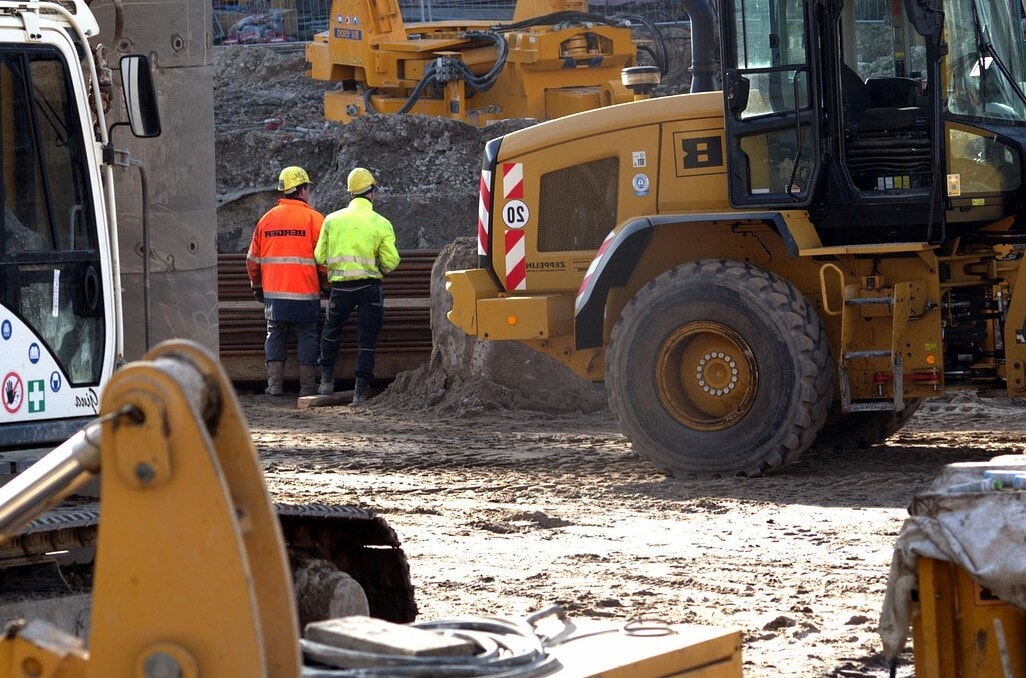
Construction site safety begins with consistent daily habits rather than dramatic rules or one-time precautions. Construction environments move quickly, and most injuries are not caused by major incidents but by small shortcuts repeated over time. Industry safety professionals consistently emphasize that strong safety outcomes come from disciplined routines, clear communication, and adherence to established procedures rather than complex systems that are rarely applied in practice. These principles reflect the construction site safety basics everyone should follow, which focus on practical behavior and awareness rather than theory alone.
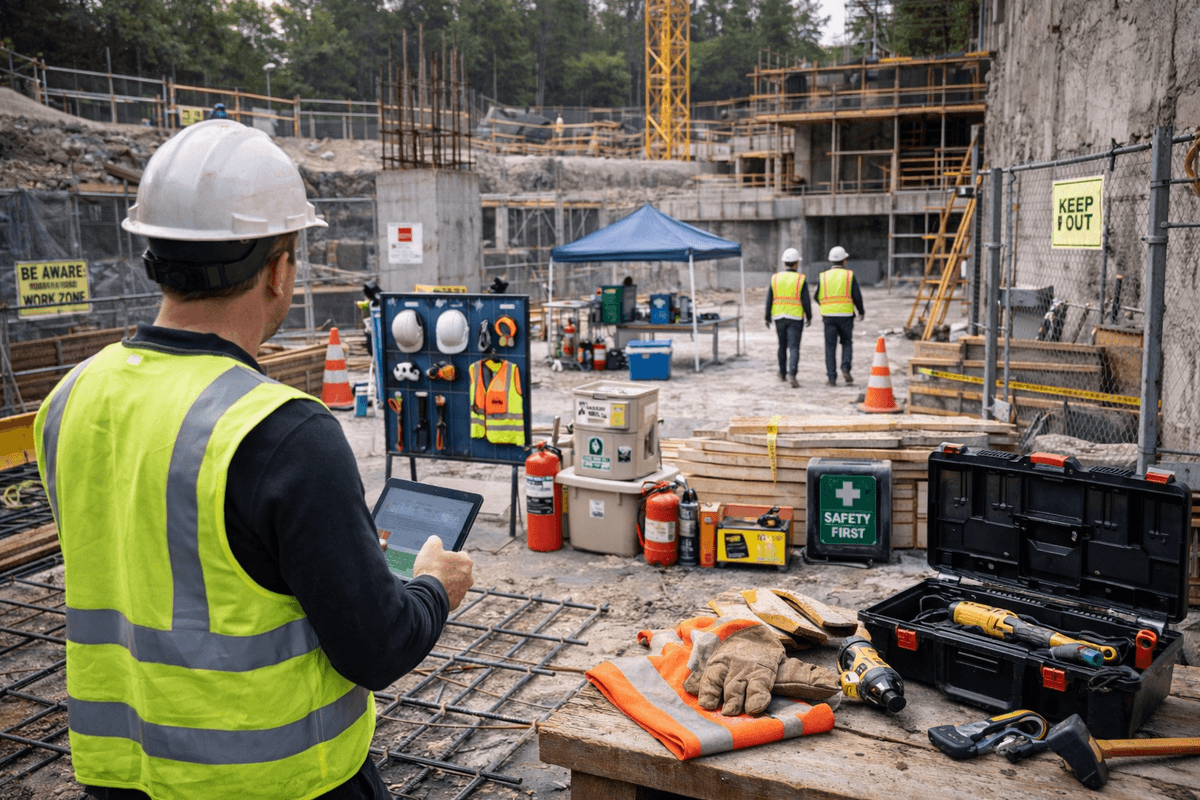
Personal protective equipment forms the first and most visible layer of protection. Impact-rated eye protection shields against flying debris, while appropriate hearing protection reduces long-term exposure to the high noise levels generated by power tools and heavy machinery. When combined with awareness and proper work practices, these foundational measures significantly reduce risk on active job sites.
Gloves support safe handling of materials and tooling, but rotating equipment should always be approached carefully to avoid entanglement. Proper footwear improves stability and protects against dropped objects and uneven surfaces.
Electrical safety deserves constant attention. Extension cords should be rated for site use and inspected regularly for damage. Tools should never be operated with exposed wiring or loose plugs.
Power sources must remain dry and protected from traffic to prevent accidental disconnection or trip hazards.
As emphasized by the UK’s Health and Safety Executive (HSE), effective construction site safety practices – from hazard identification to equipment and environment controls are critical for protecting workers and meeting regulatory requirements.
In my experience and in line with official OSHA construction industry standards, identifying and controlling hazards on a construction site: including proper equipment use, worker training, and PPE : is foundational to reducing injuries and improving safety outcomes.
Housekeeping plays a larger role in safety than many people expect. Keeping walkways clear, storing tools properly, and managing dust buildup reduces slips, trips, and visibility issues. Organized work areas also improve productivity and reduce tool damage.
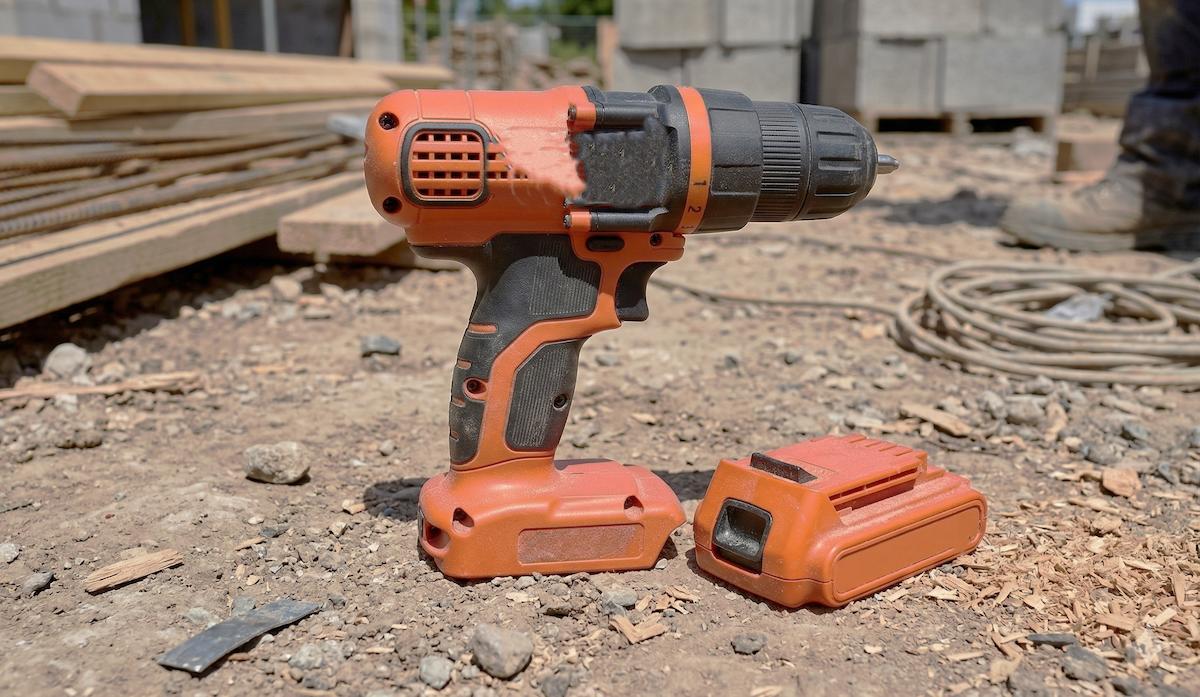
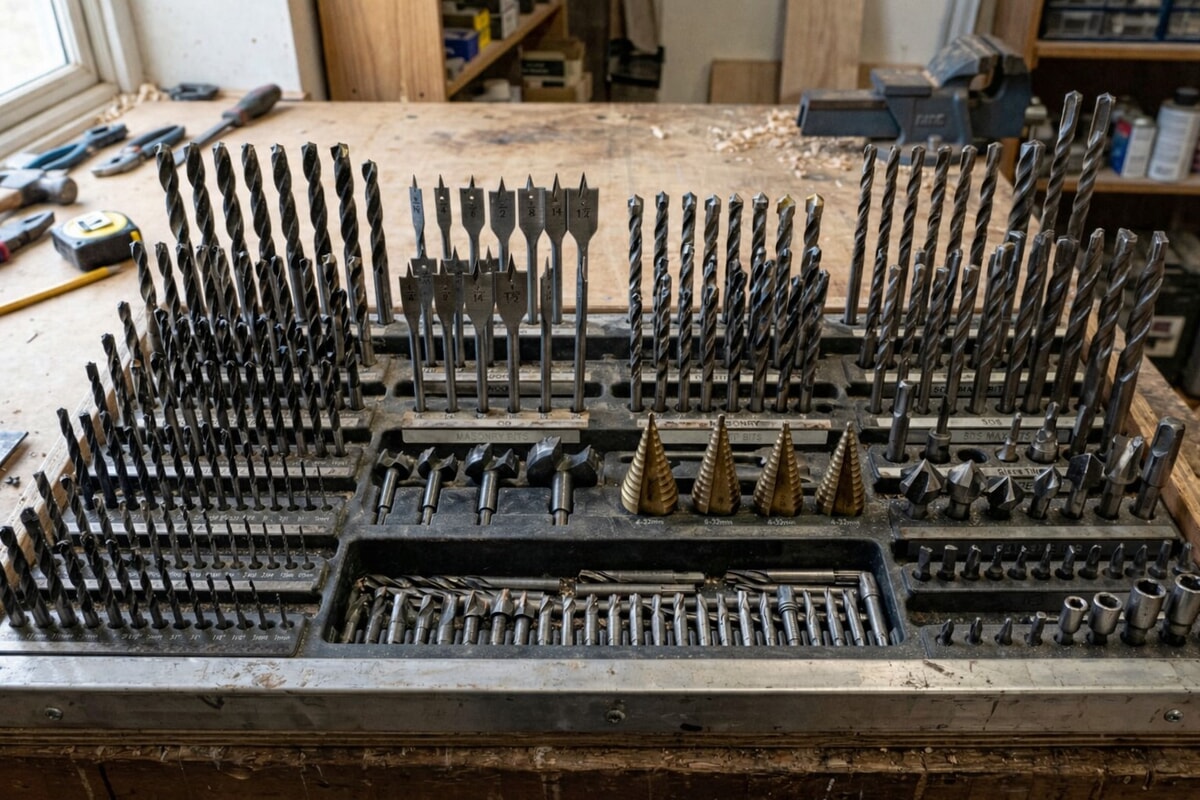
Tool handling habits directly influence injury risk. Allowing tools to reach full speed before contact, maintaining stable body position, and using correct accessories prevents kickback and loss of control. Overloading tools or forcing cuts increases heat, vibration, and failure risk.
Good safety culture is built through repetition and awareness. Small adjustments wearing eye protection consistently, checking cords daily, cleaning work zones regularly prevent most avoidable incidents. A disciplined approach protects people, improves workflow, and keeps projects moving without unnecessary downtime.
Construction Site Safety Basics
The construction industry remains one of the most dynamic and essential sectors of the global economy. From the high-rises of New York City and the sprawling residential developments in Auckland to the infrastructure projects connecting Sydney and Melbourne, construction drives progress. However, this progress comes with inherent risks.
Despite advancements in technology and engineering, construction sites remain high-hazard environments.
Maintaining a safe site is not merely a matter of regulatory compliance; it is a fundamental pillar of operational excellence. A professional, disciplined approach to safety ensures that every worker returns home healthy, while also protecting the project’s timeline and budget.
This article explores the essential safety basics that must be integrated into every project, with a focus on the standards and practices prevalent in Australia, New Zealand, and the United States, supported by global insights from European safety frameworks.
-
Navigating the Regulatory Landscape
Understanding the legal framework is the first step toward a safe site. While the specifics vary by jurisdiction, the underlying principle remains the same: the employer has a “duty of care” to provide a safe working environment, and employees have a duty to follow safety instructions.
- United States: The Occupational Safety and Health Administration (OSHA) sets the standard. Their “Focus Four” (Falls, Struck-By, Caught-In/Between, and Electrocution) highlights the primary causes of fatalities.
- Australia and New Zealand: The regulatory environment is governed by Safe Work Australia and WorkSafe New Zealand. Both regions emphasize the “Person Conducting a Business or Undertaking” (PCBU) model, which places a heavy emphasis on proactive risk management and the use of Safe Work Method Statements (SWMS) for high-risk activities.
- The European Influence: European standards (CEN) often lead the way in equipment safety and chemical exposure limits (REACH). Many of the tools and machinery used in the USA and Australasia are manufactured to European “CE” standards, ensuring a baseline of safety engineering that benefits sites globally.
-
Risk Assessment and Pre-Start Planning
Safety does not begin when the first nail is driven; it begins in the planning phase. An experienced project manager knows that a site that starts organized stays safe.
The “Pre-Start” or “Toolbox Talk” is a critical daily ritual. This is where the day’s tasks are reviewed, specific hazards are identified, and control measures are agreed upon. In Australia and New Zealand, the JSEA (Job Safety and Environmental Analysis) is the gold standard for documenting these risks.
In the USA, a Job Hazard Analysis (JHA) serves a similar purpose.
Effective planning involves the hierarchy of control:
- Elimination: Can we remove the hazard entirely?
- Substitution: Can we use a less dangerous process?
- Engineering Controls: Can we isolate the hazard (e.g., guardrails)?
- Administrative Controls: Training and signage.
- PPE: The last line of defense.
-
Personal Protective Equipment (PPE): The Last Line of Defense
PPE is often the most visible aspect of site safety, yet it is frequently misunderstood. PPE should be viewed as a backup, not a primary solution.
- Head Protection: Hard hats must be inspected regularly for cracks and UV damage. In the USA, Type I and Type II hats are used depending on the risk of lateral impact.
- High-Visibility Clothing: Essential for being seen by plant operators. Standards such as AS/NZS 4602.1 in Australasia specify the fluorescent color and retroreflective material required for day and night use.
- Footwear: Steel or composite toe boots with puncture-resistant soles are non-negotiable.
- Respiratory Protection: This has become a major focus globally, particularly regarding Respirable Crystalline Silica (RCS). Following Australia’s lead in banning certain engineered stone products, sites across the USA and Europe are tightening “Wet-Cut” requirements and HEPA-filtered vacuum attachments to protect workers from lung disease.
-
Working at Heights: Managing the Primary Killer
Falls remain the leading cause of death in construction globally. Whether working on a residential roof in Wellington or a commercial scaffold in Chicago, the principles of fall protection are universal.
The first priority is collective protection, such as scaffolding with full toe-boards and handrails. If collective protection is not feasible, personal fall arrest systems (PFAS) must be used. An experienced worker knows that a harness is only as good as its anchor point. Furthermore, a “Rescue Plan” is mandatory.
In the event of a fall, suspension trauma can occur within minutes; therefore, having a documented method to retrieve a suspended worker is a vital technical requirement.
-
Plant and Equipment Safety
The interaction between heavy machinery (excavators, cranes, telehandlers) and pedestrians is a high-risk interface.
- Exclusion Zones: Clear physical barriers should separate workers from moving plant.
- Spotters: When a plant operator has limited visibility, a trained spotter is essential.
- Maintenance Records: Across the USA and Australasia, plant must undergo regular “logbook” checks. In Europe, the “Provision and Use of Work Equipment Regulations” (PUWER) provides a robust framework for ensuring machinery remains fit for purpose.
- Lock-Out/Tag-Out (LOTO): Before any maintenance is performed, energy sources (electrical, hydraulic, pneumatic) must be isolated and locked to prevent accidental activation.
-
Electrical Safety and Utility Detection
Striking an underground power line or a gas main is a catastrophic event that is entirely preventable.
Before any excavation begins, “Dial Before You Dig” (Australia), “Before U Dig” (New Zealand), or “811” (USA) services must be consulted to map existing utilities. On-site, all portable electrical equipment should be protected by a Residual Current Device (RCD) or Ground Fault Circuit Interrupter (GFCI). In Australia and New Zealand, the “Test and Tag” system whereby electrical leads are inspected and tagged every three months is a standard site requirement that significantly reduces the risk of electrocution.
-
Occupational Health: The “Silent” Hazards
Modern construction safety has evolved to look beyond immediate physical trauma to long-term health.
- Noise Management: Prolonged exposure to heavy machinery leads to permanent hearing loss. Using low-noise tools and ensuring correct earplug insertion are basic but overlooked necessities.
- Manual Handling: Back injuries are the most common cause of long-term disability in the trades. Utilizing mechanical aids like trolleys or team-lifting techniques is a sign of a professional site.
- Mental Health: The construction industry has disproportionately high rates of stress and suicide. Programs like “Mates in Construction” (Australia/NZ) and various OSHA-backed wellness initiatives in the USA are now recognized as essential safety components. A worker who is distracted or struggling mentally is at a higher risk of physical accident.
-
Site Housekeeping and Environmental Control
A cluttered site is a dangerous site. Slips, trips, and falls are often caused by poor housekeeping discarded timber, loose cables, or unmanaged spills.
Effective site management includes:
- Designated waste stations.
- Clear walkways.
- Proper storage of hazardous chemicals (following the Global Harmonized System – GHS).
- Erosion and sediment control to prevent runoff into local waterways a major focus for environmental regulators in New Zealand and the USA.
-
Global Best Practices: Learning from Europe
While the USA and Australasia have robust systems, Europe often leads in “Safety by Design.” This concept involves architects and engineers considering the safety of the construction process during the initial design phase. For example, designing a building so that windows can be cleaned from the inside or incorporating permanent anchor points for maintenance. Adopting this proactive mindset globally reduces the reliance on “on-site” fixes and creates an inherently safer industry.
Practical Examples of European Best Practices in Action
The European approach to construction safety, often dictated by the Construction (Design and Management) Regulations (CDM) in the UK and similar directives across the EU, provides a blueprint for “Safety by Design.” This philosophy moves the burden of safety from the worker on-site back to the architect’s desk.
One of the most practical examples is the integration of permanent maintenance access. In many European commercial designs, architects are required to demonstrate how a building will be maintained over its 50-year lifespan before a single brick is laid. For instance, rather than relying on temporary, high-risk scaffolding for window repairs or HVAC maintenance, European designs frequently incorporate internal recessed galleries or permanent “davit” systems for (BMU) cradles. When these designs are exported to projects in New Zealand or the USA, they significantly reduce the long-term fall risk for facility managers.
Another area where Europe leads is in Equipment Ergonomics and Health Engineering. Most of the high-end power tools used on sites in Australia and North America brands like Hilti (Liechtenstein) or Festool (Germany) are engineered to meet stringent European “EN” standards for vibration and dust. A practical example is the “integrated dust extraction” system.
While OSHA in the USA has recently tightened silica dust rules, European manufacturers had already spent a decade perfecting “M-Class” vacuums that sync via Bluetooth to the tool. This ensures that the moment a worker starts a cut, the dust is captured at the source. Adopting these European-engineered tools on a site in Seattle or Melbourne instantly upgrades the health protection of the crew.
Finally, Europe’s advancement in Off-site Prefabrication offers a major safety advantage. In countries like Sweden and Germany, a high percentage of residential components are built in controlled factory environments. A practical application is the use of Cross-Laminated Timber (CLT) panels. These panels are precision-cut in European factories and shipped to sites globally.
Because the panels arrive with pre-drilled lifting points and edge protection already installed, a crew in Auckland can assemble a structure in days rather than weeks, drastically reducing the “window of risk” for falls and manual handling injuries. By moving the most dangerous parts of the build into a factory, the “site” effectively becomes an assembly zone, which is inherently safer.
Conclusion
Construction site safety is a continuous process of education, vigilance, and improvement.
It is not defined by the absence of accidents, but by the presence of defenses. By adhering to the regulatory standards of OSHA, Safe Work Australia, and WorkSafe NZ, and by integrating the technical rigor found in international standards, we create a culture where safety is viewed as a value rather than a chore.
The basics PPE, risk assessment, fall protection, and machinery maintenance form the foundation. However, the true mark of a professional construction environment is the shared commitment of every individual on-site to look out for one another. Safety is, and always will be, everyone’s business.
Technical and International Standard References
- ISO 45001:2018 – Occupational Health and Safety Management Systems: This is the international benchmark for organizations looking to manage their OH&S risks and improve their performance. It provides a global framework that transcends regional borders, applicable from small residential firms to multinational infrastructure companies.
- AS/NZS 4801 / 18001 (and transitioned ISO equivalents): Specifically for those operating in the Australia and New Zealand markets, these standards (and the subsequent adoption of ISO 45001) dictate the requirements for a documented safety management system and are often a prerequisite for government and large-scale commercial tenders.
- OSHA 29 CFR 1926: The United States Federal Standard for the Construction Industry. This comprehensive document covers everything from crane safety and excavations to health hazards and personal protective equipment, serving as the primary legal and technical reference for construction safety in the North American market.
To keep your learning momentum going, check out the next recommended article it connects perfectly with what you’ve just read.
Editorial Disclaimer
This article is for educational purposes only, and readers should always refer to the manufacturer’s official specifications and safety guidelines for exact application requirements.