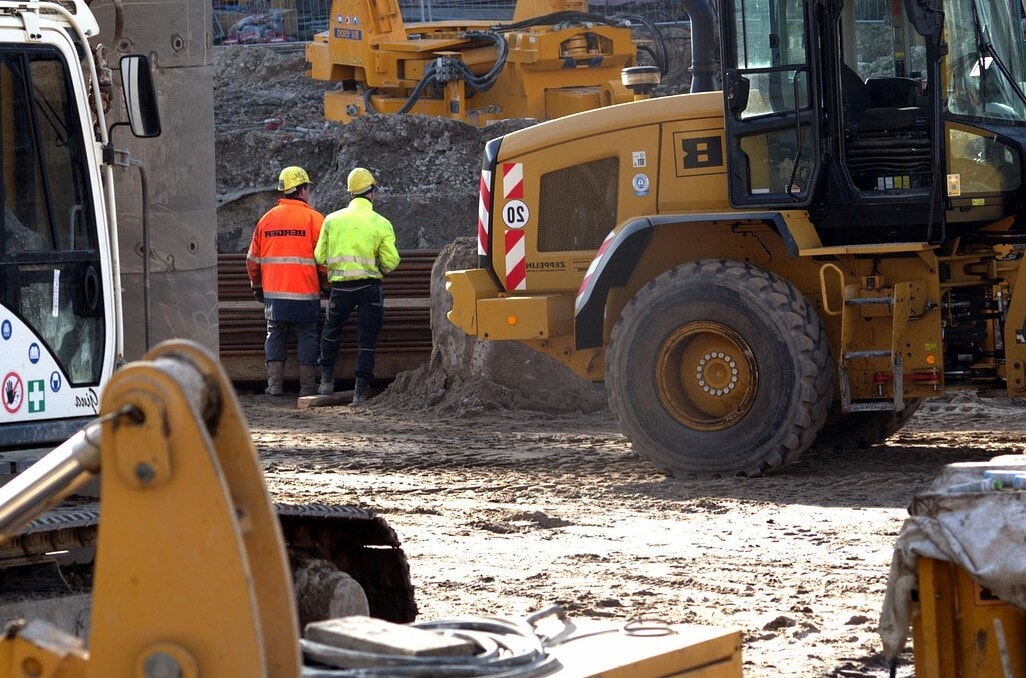
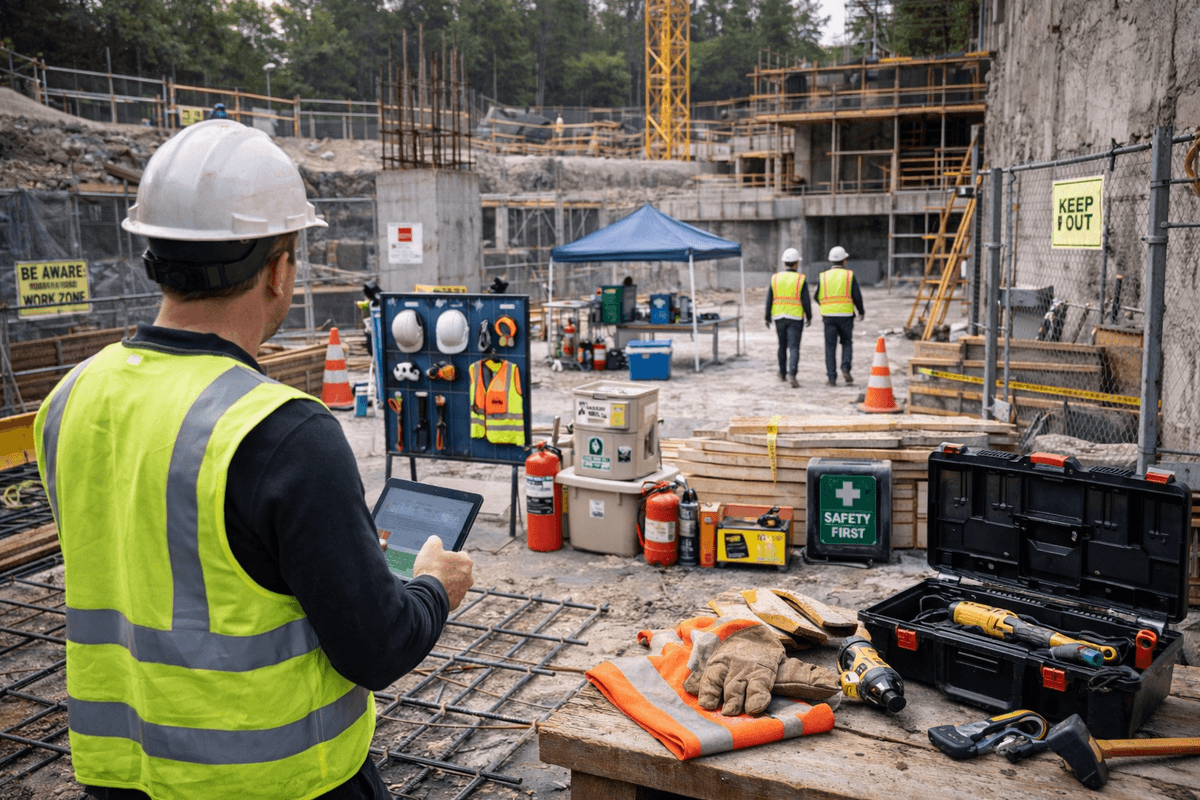
A well-organized jobsite improves productivity, reduces tool damage, and lowers injury risk. In my experience and through discussions with site managers and safety advisors, many inefficiencies come from poor layout planning rather than equipment limitations.
Power access should be planned early. Extension leads must be rated for outdoor and industrial use, routed away from walkways, and protected from sharp edges and vehicle traffic. Temporary power boards should remain dry and elevated when possible. Stable power distribution prevents nuisance shutdowns and electrical hazards.
Lighting directly affects accuracy and fatigue. Shadow-free lighting improves measurement accuracy and reduces trip hazards during early morning or enclosed work. Portable LED work lights provide energy efficiency and lower heat generation compared to traditional halogen lamps.
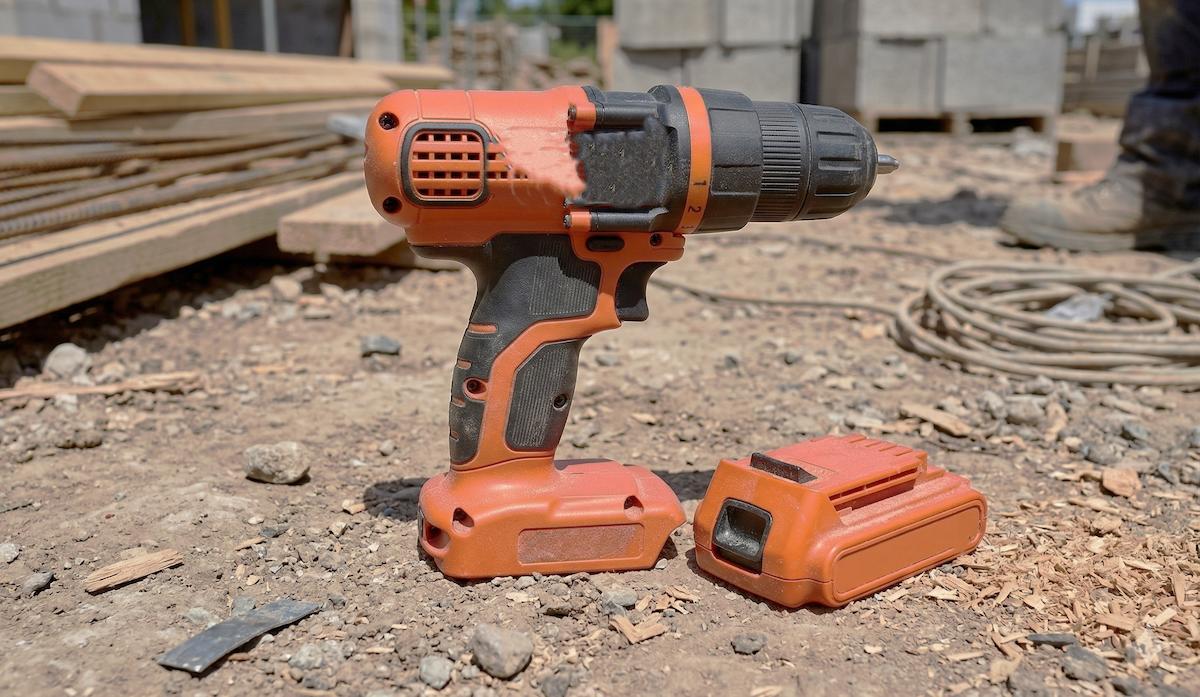
Tool staging reduces wasted movement and damage. Frequently used tools should be positioned within easy reach while heavy equipment remains stored securely when not in use. Charging stations benefit from ventilation and clear labeling to prevent battery mix-ups and overheating.
Dust and debris management improves both safety and finish quality. Vacuum extraction systems reduce airborne particles during cutting and grinding, while regular sweeping prevents slips and tool contamination. Waste bins should be clearly marked for recycling and disposal.
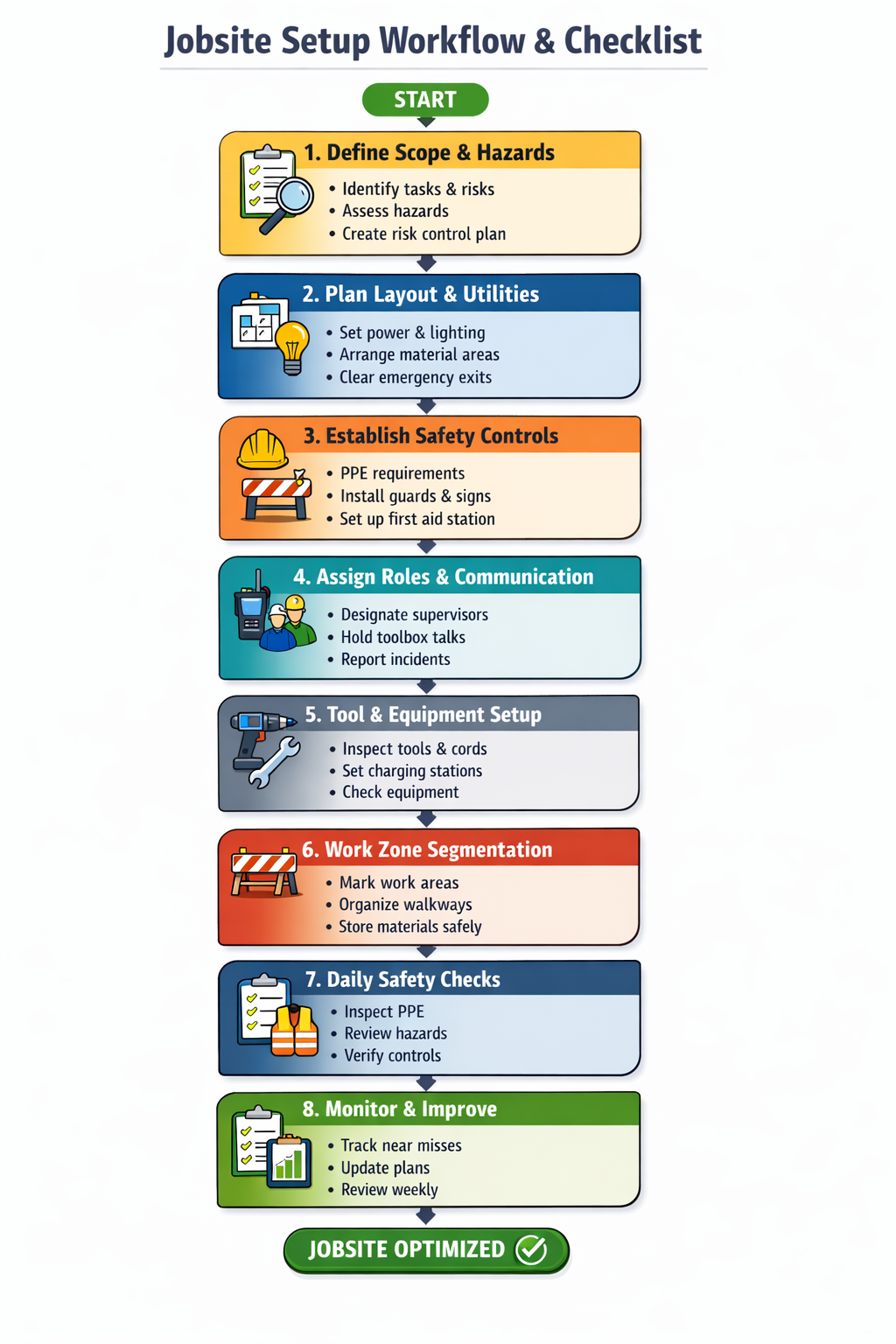
Workflow planning improves overall efficiency. Separating cutting, assembly, and finishing zones minimizes congestion and improves material flow. Clear walkways allow safe movement of people and equipment. Small layout improvements often deliver measurable productivity gains without additional investment.
A disciplined jobsite layout protects equipment, improves working conditions, and supports consistent project delivery.
As per the experience, understanding from today’s experts and in line with official OSHA safety and health program management guidance, setting up a jobsite with structured hazard identification, proactive planning, and clear communication significantly improves safety outcomes and reduces unplanned downtime. As emphasised by the UK Health and Safety Executive’s Health and Safety in Construction guidance, planning and organising a construction site around hazard control, monitoring, and clear roles for workers and supervisors is key to safe and efficient operations.
How to Set Up a Safe and Efficient Construction Jobsite: 15 Proven Strategies for Professional Results
Setting up a safe and efficient construction jobsite is one of the most important steps in ensuring project success. Before the first excavation begins or the first frame is raised, proper planning determines whether the project runs smoothly—or struggles with delays, hazards, and compliance issues.
Across Australia, the United States, New Zealand, and Europe, construction regulations are strict, and expectations for safety and productivity are high. Authorities such as Safe Work Australia, OSHA (Occupational Safety and Health Administration) in the United States, WorkSafe New Zealand, and the European Agency for Safety and Health at Work (EU-OSHA) enforce detailed standards to protect workers and the public.
A well-organized jobsite does more than meet legal requirements. It reduces risk, prevents costly incidents, improves workflow, and creates a professional working environment. This guide explains how to establish a safe and efficient construction jobsite using proven best practices aligned with international expectations.
Understanding Legal and Regulatory Requirements
Before mobilization, understanding the legal framework is essential.
Australia
In Australia, safety obligations fall under Work Health and Safety (WHS) laws. Principal contractors must prepare Safe Work Method Statements (SWMS) for high-risk activities and ensure compliance with state-based regulations.
United States
In the U.S., OSHA enforces safety standards under 29 CFR 1926 for construction. Employers are legally required to provide a workplace free from recognized hazards.
New Zealand
Under the Health and Safety at Work Act, duty holders must identify hazards, assess risks, and implement control measures before work begins.
Europe
European Union member states follow directives set by EU-OSHA, including the Construction Sites Directive, requiring risk assessments and site-specific safety planning.
Understanding these regulations from day one ensures your construction jobsite remains compliant and protected.
Comprehensive Pre-Construction Planning
Proper planning sets the foundation for a safe and efficient construction jobsite.
Site Assessment and Risk Identification
Before work begins:
- Evaluate terrain and soil stability
- Identify nearby public access points
- Review environmental constraints
- Assess weather risks
A detailed risk assessment reduces unexpected disruptions and improves hazard control.
Logistics and Access Planning
Plan for:
- Equipment entry and exit routes
- Material delivery staging areas
- Emergency vehicle access
- Pedestrian and traffic segregation
Well-planned access prevents congestion and improves site productivity.
Establishing Strong Site Security
Security protects both workers and the public.
Perimeter Control
Install robust temporary fencing that complies with local standards. In urban areas across Australia and Europe, fencing is often mandatory.
Access Management
Implement sign-in procedures and visitor logs. Many U.S. and NZ projects require controlled access with ID verification.
Lighting and Surveillance
Proper lighting discourages theft and reduces nighttime hazards.
Clear Site Layout and Zoning
A disorganized site increases risk and reduces efficiency.
Designated Zones
Divide the jobsite into:
- Storage areas
- Equipment zones
- Waste management areas
- Welfare facilities
- High-risk operation zones
Traffic Flow Management
Separate pedestrian walkways from heavy machinery paths. This is strongly emphasized in U.S. and European regulations.
A clear layout minimizes accidents and maximizes productivity.
Hazard Identification and Risk Control
Every construction jobsite contains hazards.
Common Hazards Include:
- Working at heights
- Electrical systems
- Excavations
- Moving equipment
- Manual handling
Apply the hierarchy of controls:
- Eliminate the hazard
- Substitute safer alternatives
- Engineer controls
- Administrative controls
- Personal Protective Equipment (PPE)
PPE should be the last line of defense—not the first.
Proper Use of Personal Protective Equipment (PPE)

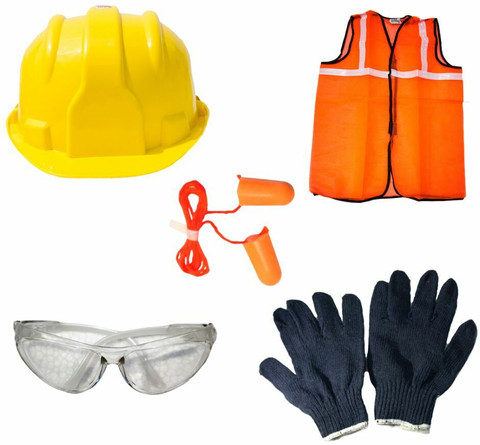
Minimum PPE standards typically include:
- Hard hats
- High-visibility clothing
- Safety boots
- Gloves
- Eye protection
In Europe and Australia, high-visibility garments must meet certified standards. PPE policies must be enforced consistently to maintain a safe and efficient construction jobsite.
Training and Workforce Competency
A trained workforce prevents incidents before they occur.
Induction Programs
Every worker should complete site induction training covering:
- Emergency procedures
- Hazard reporting
- PPE requirements
- Site rules
Ongoing Training
Refresher sessions and toolbox talks reinforce safe behavior.
In the U.S., OSHA mandates specific training for tasks like scaffolding and fall protection.
Effective Communication Systems
Clear communication improves safety and productivity.
Daily Briefings
Morning meetings clarify tasks and identify risks.
Signage
Post multilingual signs where necessary, especially in Europe and Australia’s diverse workforce.
Reporting Channels
Encourage workers to report hazards without fear of retaliation.
Equipment and Machinery Management

Equipment failures are preventable.
Inspection Protocols
Conduct daily pre-start inspections.
Maintenance Schedules
Follow manufacturer guidelines and maintain service records.
Operator Certification
Ensure licensed operators handle heavy equipment.
Environmental and Weather Considerations
Environmental responsibility is critical across Australia, the USA, New Zealand, and Europe.
Stormwater Management
Prevent runoff contamination.
Dust Control
Use water suppression methods.
Noise Management
Comply with local council limits.
Emergency Preparedness and First Aid
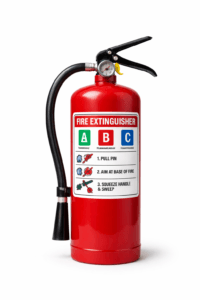
A safe and efficient construction jobsite must be prepared for emergencies.
Emergency Plans
Develop written response procedures.
First Aid Resources
Provide trained first aiders and stocked kits.
Evacuation Procedures
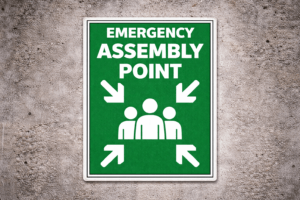
Clearly mark assembly points and conduct drills.
Waste Management and Site Cleanliness
Poor housekeeping leads to injuries.
- Remove debris daily
- Provide labeled waste bins
- Segregate hazardous waste
- Maintain clear walkways
A clean site reflects professionalism and improves morale.
Documentation and Record Keeping
Maintain:
- Risk assessments
- Inspection reports
- Training records
- Incident reports
Digital systems improve transparency and compliance.
Continuous Monitoring and Improvement
Safety is not a one-time effort.
Regular Audits
Conduct internal safety audits.
Performance Reviews
Track incident rates and corrective actions.
Worker Feedback
Encourage suggestions for improvement.
FAQs About Setting Up a Safe and Efficient Construction Jobsite
1. What is the first step in setting up a construction jobsite?
A thorough risk assessment and compliance review with local regulations.
2. How often should safety inspections occur?
Daily checks for equipment and regular formal inspections weekly or monthly.
3. Is PPE alone enough to ensure safety?
No. PPE is the final control measure after other risk reduction strategies.
4. Why is site layout important?
Proper zoning prevents collisions, confusion, and delays.
5. What documentation is legally required?
This varies by country but typically includes risk assessments, safety plans, and training records.
6. How can productivity be improved without compromising safety?
Through clear communication, organized logistics, and proactive hazard management.
Conclusion
A safe and efficient construction jobsite does not happen by chance. It results from deliberate planning, regulatory compliance, organized layout, trained personnel, and consistent monitoring.
Across Australia, the United States, New Zealand, and Europe, safety standards are rigorous—and for good reason. When construction sites prioritize safety and efficiency equally, they reduce incidents, improve morale, and deliver projects on schedule.
Establishing strong systems from the outset ensures long-term success. With structured planning, disciplined execution, and continuous improvement, every construction project can operate safely and efficiently.
References (International Standards)
- ISO 45001:2018 – Occupational Health and Safety Management Systems
- OSHA 29 CFR 1926 – Safety and Health Regulations for Construction (USA)
- European Directive 92/57/EEC – Temporary or Mobile Construction Sites Directive
Sources & Further Reading
- OSHA – Safety and Health Program Management Guidelines: Official U.S. guidance on establishing and managing effective safety programs that include jobsite planning, hazard identification, coordination, and worker participation.
- HSE – Health and Safety in Construction: Authoritative UK Health and Safety Executive guidance covering planning, organization, and control of construction site hazards and safety practices.
To keep your learning momentum going, check out the next recommended article it connects perfectly with what you’ve just read.
- Construction Site Safety Basics
- Construction Basics Hub
- Myth vs Fact | Do Lithium‑Ion Batteries Actually Catch Fire or Is It Just Hype
Editorial Disclaimer:
This article is for educational purposes only, and readers should always refer to the manufacturer’s official specifications and safety guidelines for exact application requirements.