Personal protective equipment is not just a compliance requirement it directly influences long-term health, productivity, and injury prevention on construction sites.
In my experience and through ongoing discussions with safety officers, equipment suppliers, and site supervisors, consistent PPE use prevents far more incidents than most mechanical safeguards alone.
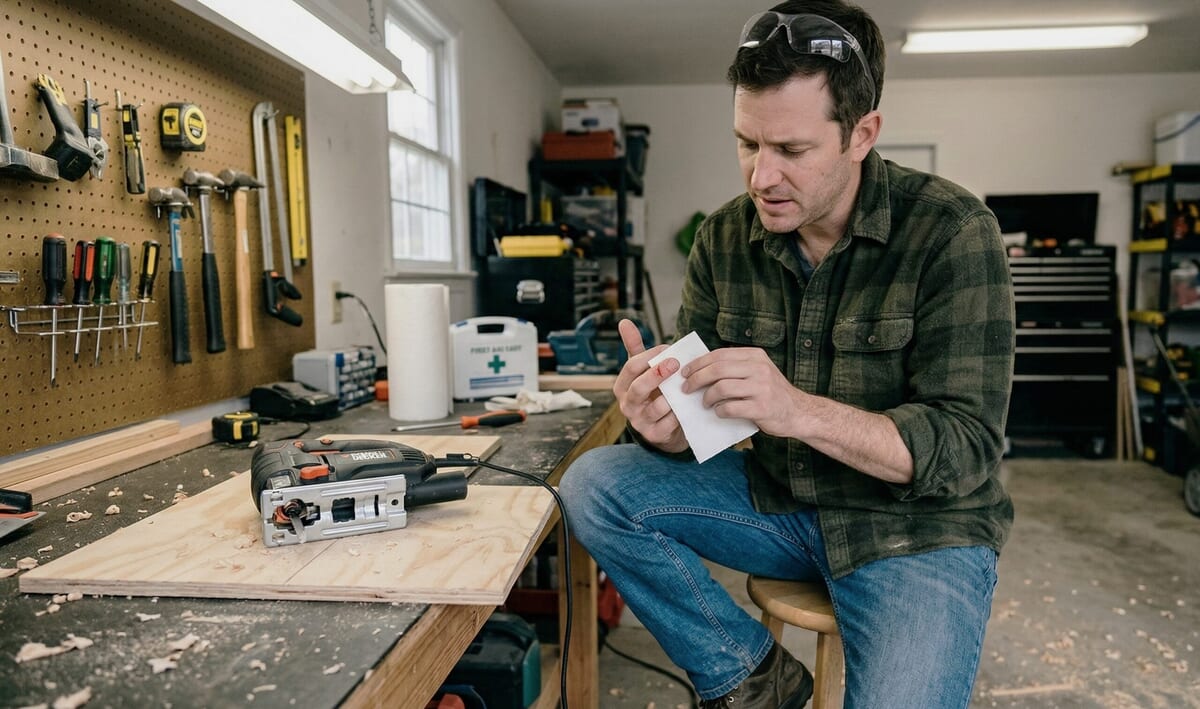
Eye and face protection should always match the level of debris and impact risk. Impact-rated safety glasses protect against flying particles during drilling, cutting, and grinding, while face shields provide added coverage during aggressive material removal. Clear visibility and anti-fog coatings improve accuracy and reduce fatigue during extended work.
Hearing protection becomes critical when operating power tools for prolonged periods. Continuous exposure to high noise levels contributes to permanent hearing loss over time. Selecting earplugs or earmuffs based on comfort, attenuation rating, and task duration encourages consistent use without reducing situational awareness.
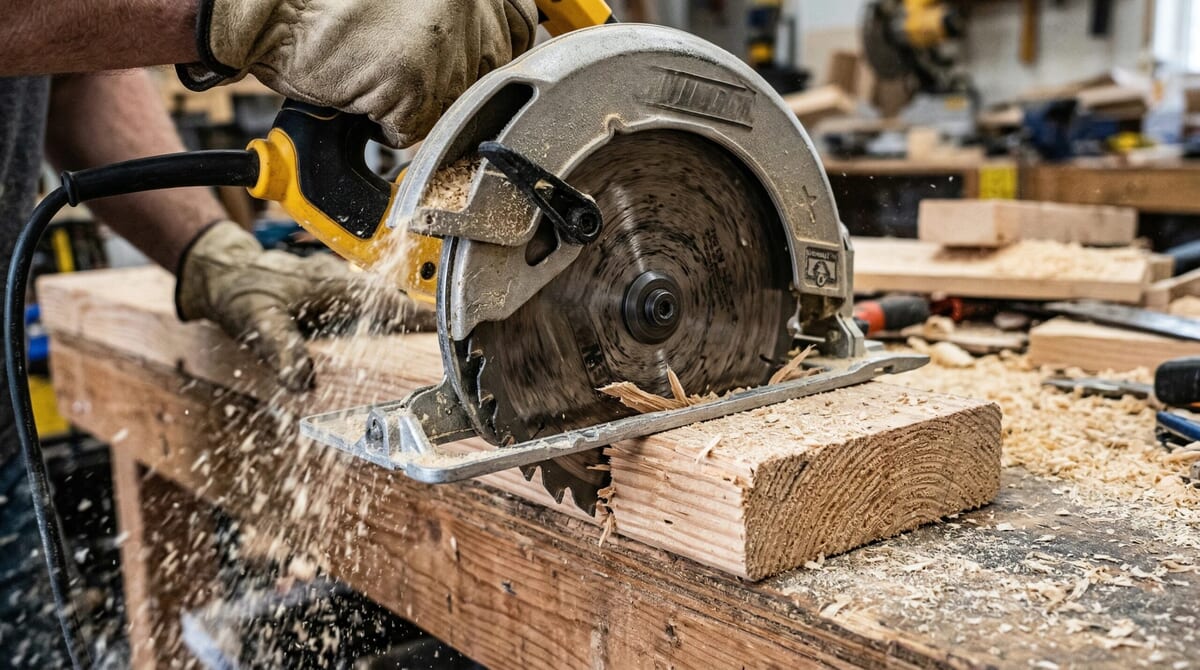
Hand protection supports safe handling but requires careful selection around rotating tools. Gloves improve grip, protect against sharp edges, and reduce vibration exposure when handling materials and equipment setup. Direct contact with rotating equipment should always be avoided to prevent entanglement risks.
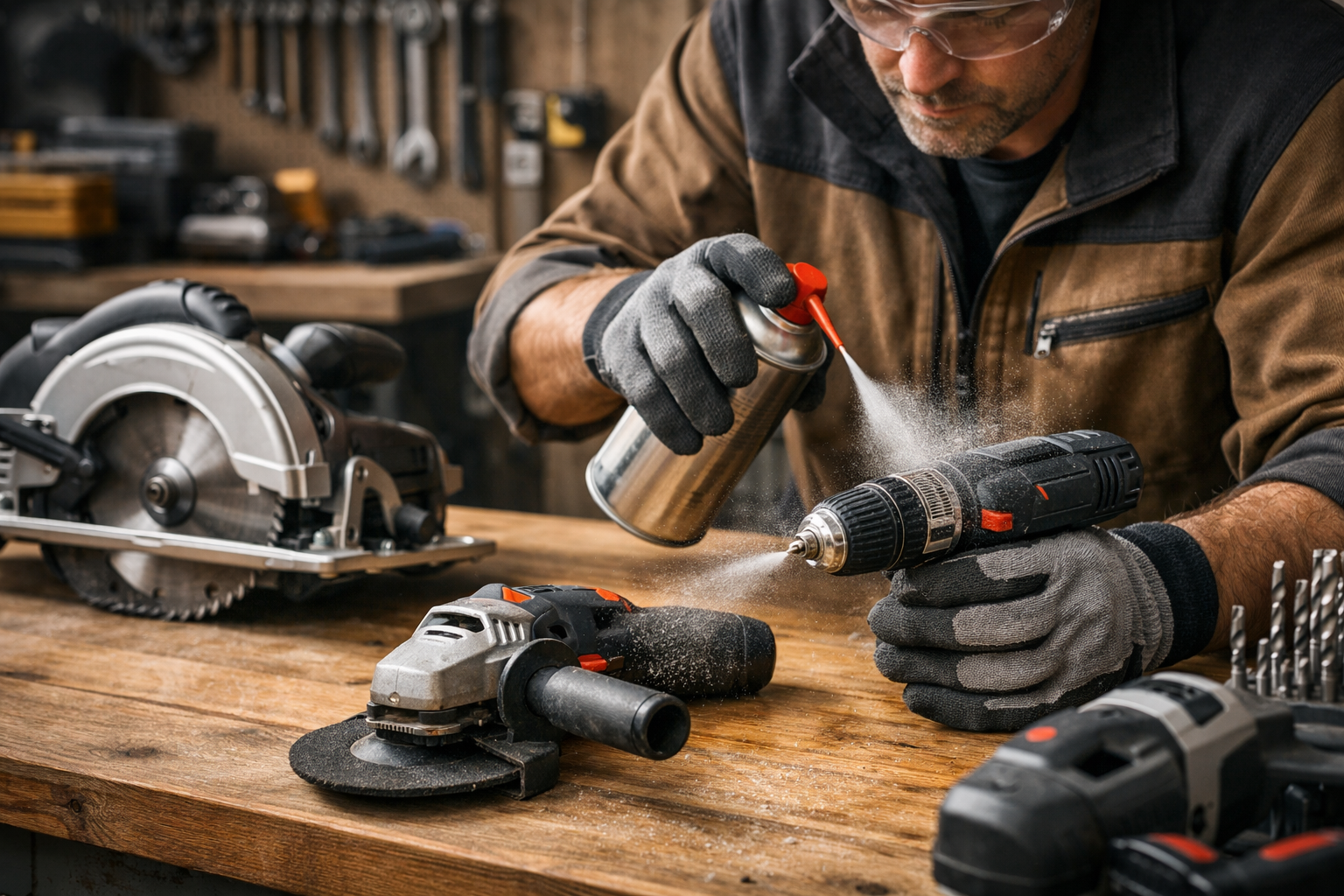
Respiratory protection may be necessary when working with dust-producing materials such as concrete, treated timber, or composites. Dust extraction systems reduce airborne particles, while appropriate masks or respirators support lung protection when ventilation is limited.
Material safety guidance and manufacturer recommendations help determine the correct level of protection.
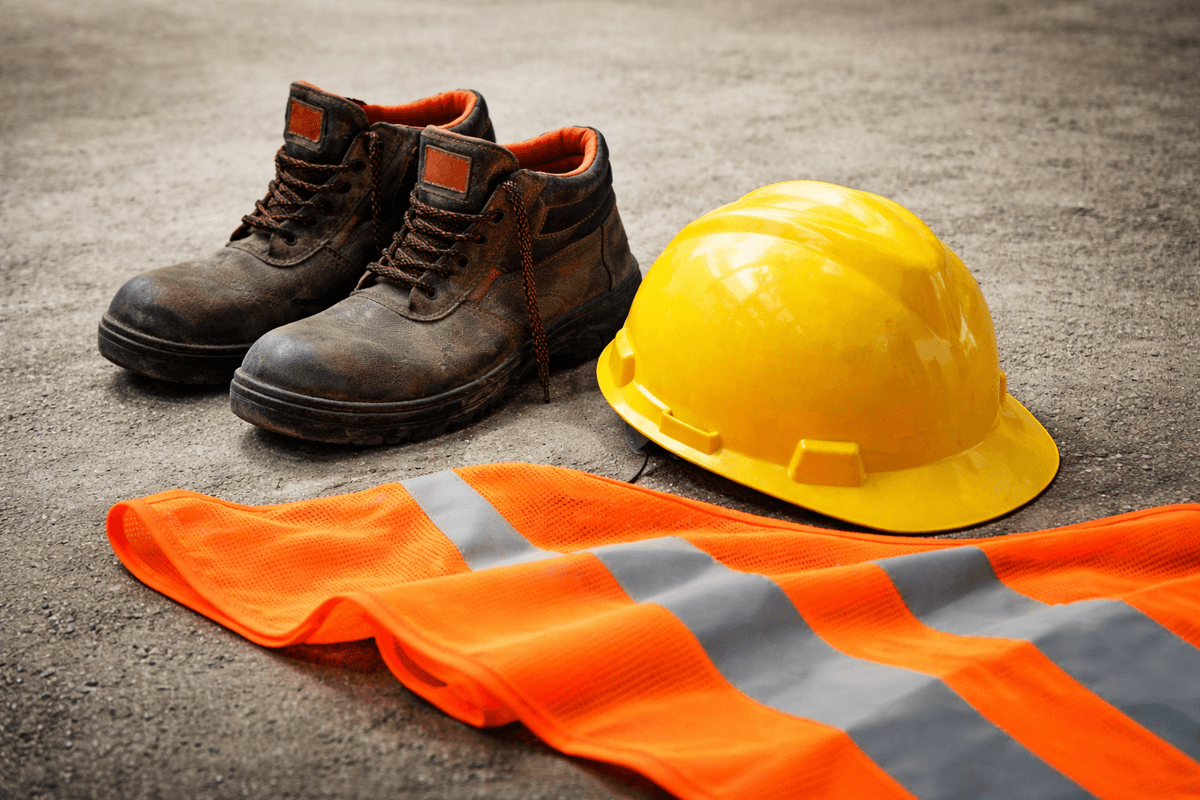
Footwear and high-visibility clothing improve site awareness and stability. Slip-resistant soles, toe protection, and proper ankle support reduce injury risk in uneven terrain.
Visibility garments improve awareness in busy environments with moving equipment.
Selecting PPE based on task exposure, comfort, and certification standards promotes consistent use and safer working conditions.
In my experience and in line with OSHA standards for construction PPE, employers must assess jobsite hazards and provide appropriate protective gear such as hard hats, eye protection, and hearing protection tailored to the specific risks present.
In my experience and in line with OSHA standards for construction PPE, employers must assess jobsite hazards and provide appropriate protective gear such as hard hats, eye protection, and hearing protection tailored to the specific risks present.
Research into PPE use among construction workers highlights that inadequate PPE use or poor fit correlates with higher accident rates, while appropriate training and correct use significantly improve safety outcomes. WorkSafe New Zealand’s PPE guidance emphasises that PPE must be selected based on the nature of the hazard and conditions on site, reinforcing the need for task-specific protective equipment.
According to Safe Work Australia’s PPE guidance, selecting suitable PPE that fits, matches the specific hazard, and is maintained correctly is a core duty of jobsite safety management.
A Practical Guide
Selecting Personal Protective Equipment (PPE) is more than a compliance box to tick; it is the final line of defense between a worker and a life-altering injury. In my years observing site safety protocols, I have found that the most expensive PPE isn’t always the best the “right” PPE is the gear that actually matches the specific hazards of your project and that workers will actually wear.
-
Conduct a Site-Specific Hazard Assessment
Before purchasing gear, you must evaluate the environment. I always start by walking the site to identify high-risk zones: Are there overhead risks? Is the ground uneven? Is there high-decibel machinery?
In my experience, many site managers make the mistake of buying “general” kits. However, a worker operating a jackhammer needs entirely different vibration-resistant gloves compared to someone handling caustic chemicals or sharp rebar.
-
Head Protection: Beyond the Basic Hard Hat
While a standard Type I hard hat protects against vertical impacts, I’ve seen a shift toward Type II safety helmets with chin straps. These are superior because they protect against lateral (side) impacts and stay on the head during a fall. When choosing, ensure the suspension system is adjustable; a wobbling helmet is a distraction that often leads to workers taking them off.
-
Eye and Face Protection: Clarity is Safety
According to most safety audits, eye injuries remain one of the most preventable accidents on-site. For general construction, Z87.1 rated glasses are the standard. However, in my experience, anti-fog coating is a feature you shouldn’t skip. If glasses fog up in humid conditions, workers will instinctively slide them down their noses, leaving them vulnerable to flying debris.
For high-dust tasks or chemical pouring, I recommend full-seal goggles over standard glasses.
-
Hearing Protection: The Invisible Risk
Hearing loss is cumulative and permanent. I’ve found that the best approach is a “dual-protection” strategy for extremely loud environments (like pile driving). Combining earplugs with over-ear muffs provides the highest Noise Reduction Rating (NRR).
Always check the NRR on the packaging; in my workshop setups, I aim for a reduction that brings the decibel level at the ear below 85 dB.
-
Respiratory Protection: Matching the Filter to the Dust
With the rising awareness of Silica dust (RCS), a basic paper mask is no longer sufficient for concrete cutting or masonry work. I strongly advise using at least an N95 respirator, though a half-face respirator with P100 filters is the professional gold standard. In my experience, performing a “fit test” is vital a respirator that doesn’t seal perfectly around the face provides almost zero protection.
-
Hand and Foot Protection
For footwear, look for ASTM F2413 rated boots with puncture-resistant soles. In my experience, “composite toe” boots are often better than steel-toe for those working in extreme cold or near electrical hazards, as they don’t conduct heat or electricity.
For gloves, I suggest a color-coded system based on “cut levels” (A1 to A9) so safety officers can see at a glance if a worker is wearing the correct protection for their task.
International Safety Standards & References
To ensure your workshop or site is globally compliant, refer to these primary authorities:
- ISO 45001: The international standard for Occupational Health and Safety Management Systems.
- OSHA (USA) 29 CFR 1910.132: General requirements for Personal Protective Equipment.
- EN 397 (Europe): The standard for industrial safety helmets.
- ANSI/ISEA Z87.1 (USA): Standards for Occupational and Educational Personal Eye and Face Protection Devices.
- AS/NZS 1801 (Australia/NZ): Requirements for protective helmets for occupational use.
- CSA Z94.3 (Canada): Eye and face protectors for industrial and educational applications.
To keep your learning momentum going, check out the next recommended article it connects perfectly with what you’ve just read.
- How to Set Up a Safe and Efficient Construction Jobsite
- FAQ: Lithium‑Ion Batteries
- Construction Basics Hub
Sources & Further Reading
- Safe Work Australia – PPE Guidance: Official information on employer duties, PPE selection, and worker safety.
- WorkSafe New Zealand – PPE Selection: Practical guidance on choosing protective clothing and respiratory PPE based on risk.
- UK PPE Regulations (PPER 1992): Employer duties for providing suitable PPE under UK law.
- Sehsah et al. (2020) Study on PPE Use in Construction: Field research linking PPE use with reduced accident risk.
Editorial Disclaimer
This article is for educational purposes only, and readers should always refer to the manufacturer’s official specifications and safety guidelines for exact application requirements.