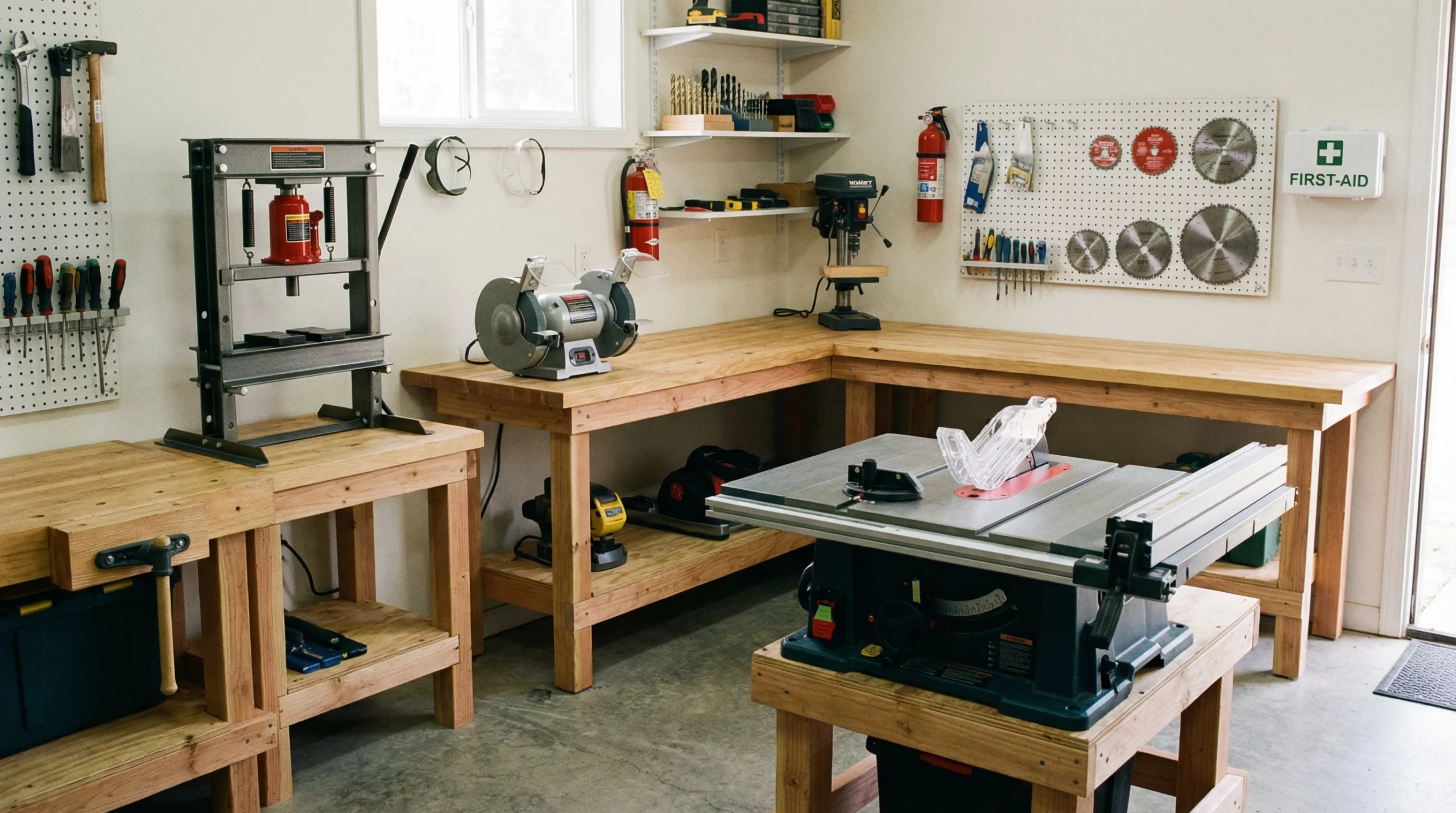
Establishing a small workshop setup requires strategic planning and a precise selection of machinery. Prioritizing core equipment specifically presses, grinders, and saws streamlines the production process, minimizes operational bottlenecks, and maintains cost stability. Investing in high-quality gear from the outset reduces long-term maintenance needs and prevents the inefficiencies associated with frequent hardware upgrades.
This guide outlines the essential machinery for a small workshop setup, providing critical selection criteria alongside practical insights on floor layout, preventative maintenance, and workflow optimization.
Why Core Machines Matter in Small Scale Production
Selecting reliable and versatile machinery is critical to operational success. Whether utilizing a press, grinder, or saw, the integration of appropriate tools supports essential tasks such as cutting, shaping, and assembly. This capability allows a facility to manage diverse customer orders without frequent, time-consuming reconfigurations.
Efficient workshop management relies less on brand prestige or high horsepower and more on selecting equipment that fits specific production requirements and spatial constraints, ultimately fostering safer work routines and better value.
According to research from Engineering.com, modern small-scale manufacturing depends on adaptable, energy-efficient machinery to remain competitive and cost-effective.
Many small businesses successfully launch by utilizing a strategic mix of new and refurbished equipment, upgrading components incrementally as production demands increase. It is widely recognized that presses, grinders, and saws serve as the technical backbone for metal, plastic, and woodworking operations.
Implementing these machines ensures consistent batch sizes, maintains rigorous quality standards, and eliminates the logistical delays associated with manual processes.
Getting Started: Key Types of Presses, Grinders, and Saws
The selection between manual, semiautomatic, and automatic machinery is primarily determined by product specifications, facility dimensions, and budgetary constraints.
The following breakdown outlines the core functional roles of primary shop equipment:
- Presses: Essential for shaping, forming, punching, or assembly tasks. Options range from fundamental manual hand-press models to high-capacity hydraulic systems.
- Grinders: Indispensable for finishing, sharpening, and deburring. Depending on specific production requirements, facilities typically implement bench grinders, angle grinders, or precision surface grinders.
- Saws: Utilized for primary material dimensioning. Table saws, bandsaws, and chop saws each serve distinct roles based on material type and required tolerances.
For most small-scale operations, starting with durable, entry-level machinery is a practical strategy for managing initial capital expenditures. Established brands such as DEWALT, Jet, or WEN are frequently selected due to their reliable after-sales support and widespread availability.
Furthermore, sourcing well-known brands ensures consistent access to replacement parts, which is critical for minimizing equipment downtime and maintaining production schedules.
Quick Setup Guide for Small Production Shops
Establishing a new production facility requires a systematic approach to equipment integration and workspace optimization.
The following steps outline an efficient methodology for launching a small-scale workshop:
- Define Product Requirements: Determine the primary materials and components to be processed. This analysis dictates the specific capacity, dimensions, and types of machinery required for the application.
- Assess Workspace and Power Infrastructure: Conduct precise measurements of the available floor area and verify that electrical systems meet equipment specifications. It is critical to note that many industrial presses and saws require 220V lines, necessitating infrastructure upgrades beyond standard residential outlets.
- Select Core Inventory: Begin operations with a foundational suite of equipment consisting of a primary press, a versatile grinder, and a high-capacity saw. Material choice dictates selection; metalworking typically requires a cold saw or horizontal bandsaw, whereas woodworking operations prioritize the versatility of a table saw.
- Optimize Layout and Workflow: Arrange workstations and machinery to facilitate a logical flow of materials. Positioning grinders adjacent to pressing stations, for example, minimizes transit time and streamlines secondary finishing processes.
- Conduct Prototype Production Runs: Execute a test batch to identify potential operational bottlenecks. This initial run serves to determine if additional jigs, specialized attachments, or enhanced safety protocols are required before full-scale production begins.
Key Things to Consider Before Buying
It’s incredibly tempting to get caught up in feature lists or big deals, but taking time to weigh these points always pays off:
- Machine Footprint: Double-check the space each machine needs, remembering to include room for feeding materials and routine maintenance.
- Tool Compatibility: Accessories and replacement parts can be costly or rare, especially for lesser-known brands.
- Dust and Chip Collection: Grinding and cutting quickly fill even the largest spaces with dust and shavings. Machines with built-in dust ports or easy shopvac attachments are a huge plus.
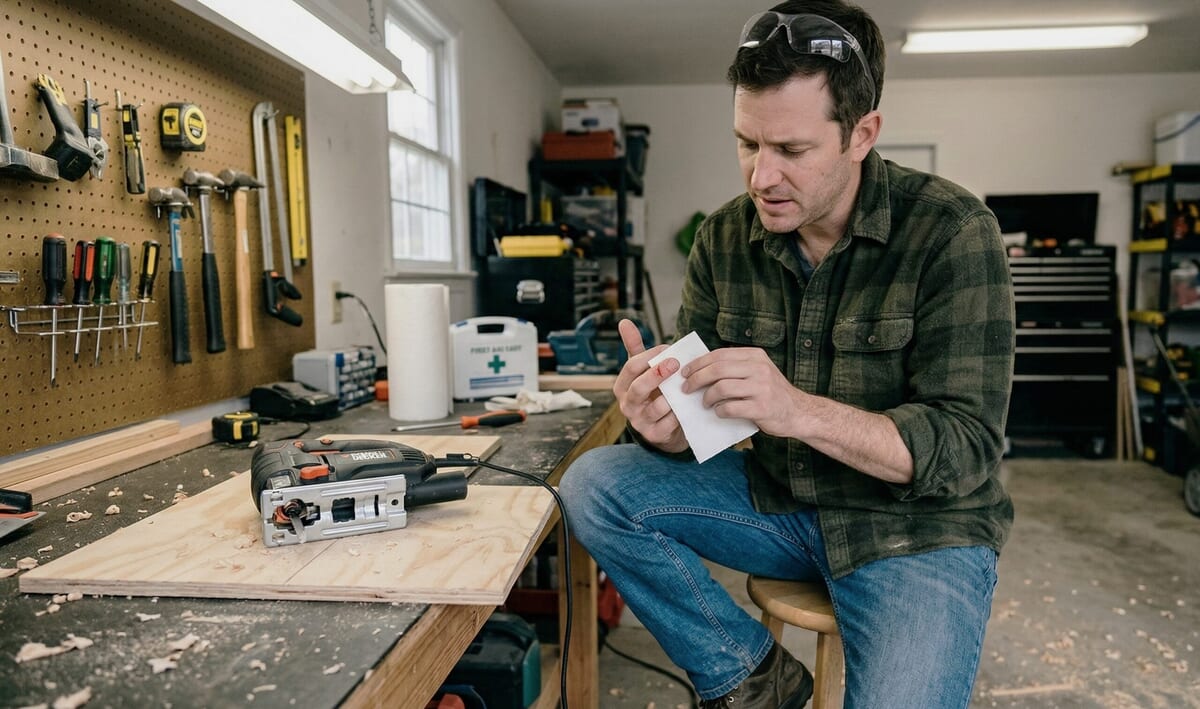
- Operator Safety: Look for equipment with built-in guards and emergency switches. This lowers injury risk, especially in busy shops.
- Noise Level: Life is easier if you aren’t always reaching for earplugs. Quieter models are better for shared or home settings.
- Warranty and Support: Responsive after-sales support means your repairs don’t ruin your week. The best brands offer solid warranties and easy access to support, which is well-documented in reviews online.
Core Machinery: Technical Specifications and Selection Criteria
The selection of shop machinery should be based on material requirements, precision standards, and production volume. The following criteria outline the essential features of primary workshop equipment:
Presses: Operational Capabilities
Industrial presses are available in diverse configurations to suit specific force requirements. Arbor presses are ideal for high-precision, low-force applications, while hydraulic presses are necessary for more intensive tasks such as bushing installation or forming heavy-gauge sheet metal.
Hydraulic systems provide a more consistent application of force and smoother operational action, making them the standard upgrade as production volumes scale (Essentra Components).
Grinders: Critical Selection Factors
The bench grinder serves as the central component for material finishing in most small-scale metalworking environments. Key applications include sharpening tool bits, refining weld joints, and deburring edges.
Modern units often incorporate variable speed controls, allowing for the safe processing of varied materials such as metals, plastics, and wood.
Priority should be given to models that facilitate rapid abrasive wheel changes, include integrated safety eye shields, and support wire wheel attachments for surface preparation and rust removal.
Saws: Optimizing Material Cutting
Saw selection must align with the specific material properties of the workpiece. While a table saw is the primary choice for woodworking, a horizontal or vertical bandsaw is the superior option for industrial steel applications. Additionally, compact miter saws are essential for achieving precise angular and trim cuts.
Before procurement, equipment should be evaluated based on the ease of blade replacement, fence alignment accuracy, and overall portability for flexible workshop layouts.
Operational Optimization and Preventative Maintenance
Once a workshop becomes operational, consistent refinement and proactive maintenance significantly impact long-term productivity and equipment lifespan. The following best practices are essential for high-standard facility management:
- Abrasive and Blade Management: Operating with dull blades or grinding wheels increases motor strain and compromises cut precision. Establishing a rigorous schedule for sharpening, dressing, or replacing these components is necessary to maintain quality. Retaining a localized inventory of spare consumables ensures that production remains uninterrupted during unexpected wear (Popular Mechanics).
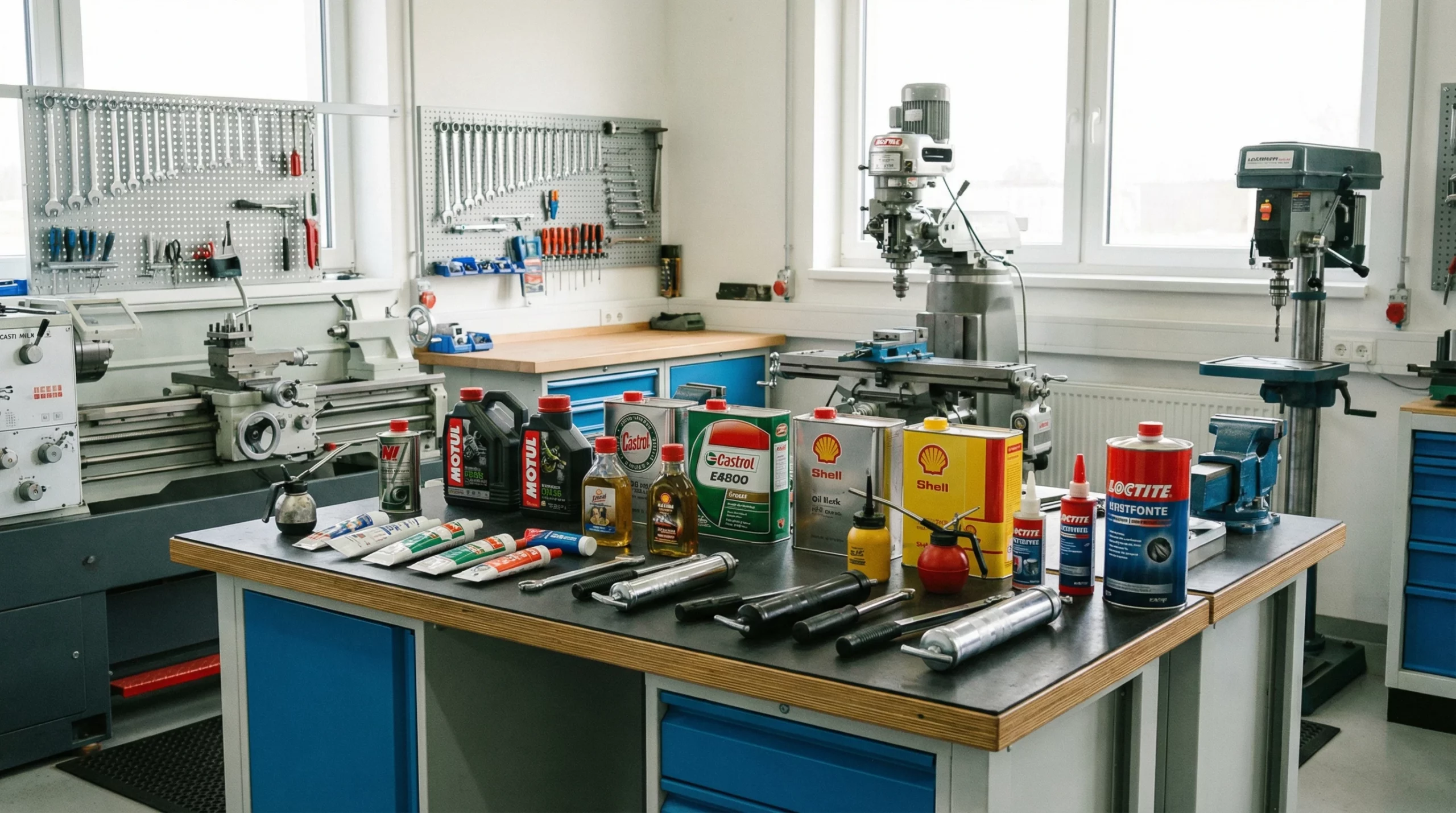
- Systematic Lubrication Protocols: Regular application of industry-standard lubricants to press components and saw tables is required for smooth mechanical operation. Precise application is critical; excessive lubrication can attract metallic chips and ambient dust, potentially leading to premature mechanical failure or surface contamination.
- Ergonomic and Task Lighting: Adequate illumination at workstations is a frequently overlooked factor in quality control. Implementing high-output LED strip lighting under cabinetry or over benches reduces visual fatigue, minimizes errors during precision shaping, and provides a cost-effective solution for improved workspace safety.
- Formalized Safety Compliance: A documented safety checklist should be utilized for all startup and shutdown routines. Requiring a formal sign-off for these procedures serves as an effective administrative.
Frequently Asked Questions About Workshop Machines
Here are some popular questions I usually get when helping set up small production spaces:
- Question: Should I buy new or used machines first?
Answer: Used machines can stretch your budget, particularly for simple presses and grinders. Just always check for available replacement parts and try a demo run before spending money. New machines can bring better support and warranties, especially when you’re just starting out with repairs. - Question: Can I run these machines in my garage or basement?
Answer: Absolutely. Many presses, grinders, and saws come in sizes made for home use. Still, make sure your wiring checks out for their power needs, and take easy steps to keep the dust and noise under control. - Question: What brands are safe bets for beginners?
Answer: I like to suggest DEWALT, Jet, WEN, and Grizzly for solid, durable bench equipment. These get plenty of reviews and have replacement parts available online and at major tool shops. Always skim reviews for real-world feedback before you commit.
Conclusion: Leveraging Equipment for Scalable Growth
Prioritizing the correct foundational equipment ensures that operational focus remains on increasing order volume and improving output rather than managing equipment failure. The integration of reliable presses, versatile grinders, and high-precision saws creates a streamlined production environment.
Furthermore, high-quality machinery simplifies the training of new personnel and ensures process consistency factors that are vital when scaling operations to meet increased market demand.
Whether the objective is the fabrication of metal components, woodworking projects, or multi-material batches, establishing a workshop with essential, high-standard machinery provides a resilient operational foundation. This preparedness allows a facility to adapt to diverse client specifications with minimal reconfiguration.
For further technical insights into optimizing workshop efficiency, academic research regarding modular and flexible manufacturing is available via platforms such as Google Scholar.
The procurement process should begin with a comprehensive analysis of market listings, an evaluation of verified user performance data, and a thorough price comparison.
Diligent pre-purchase research facilitates informed decision-making, ensuring long-term productivity and operational stability for years to come.
To keep your learning momentum going, check out the next recommended article it connects perfectly with what you’ve just read :
Every Minute Counts: Smart Ways Small Manufacturers Can Slash Downtime Without Breaking the Budget
Editorial Disclaimer
This article is for educational purposes only, and readers should always refer to the manufacturer’s official specifications and safety guidelines for exact application requirements.