Welding is both an essential skill and a rewarding, hands-on craft. Many beginners set up small workshops at home or in a garage, drawn by the satisfaction of building or fixing things. Choosing the right welding equipment is a really important first step if you want to get results and stay safe. This guide gives a straightforward overview of all the welding equipment beginners need and offers practical information to help new welders make smart choices for their first setups.
Essential Welding Equipment for Small Workshops
Welding equipment has changed a lot over recent years, making quality welds much more accessible for beginners. Home workshops can now use compact, affordable, and easy to use machines. The basic equipment list for new welders typically includes a welding machine, safety gear, and a handful of supporting tools. Knowing what each item does helps keep things running smoothly and helps welders avoid common beginner mistakes.
Most entry level welders and workshop owners start with one of three popular processes: MIG (Metal Inert Gas), TIG (Tungsten Inert Gas), or Stick welding. Each method has unique equipment and is tailored for specific jobs. MIG welders are popular for their ease of use, especially on mild steel jobs. TIG provides more control and cleaner welds, which is ideal for thin metals. Stick welding, one of the oldest processes, is cost-effective and works well outside or on rusty surfaces no need for gas.
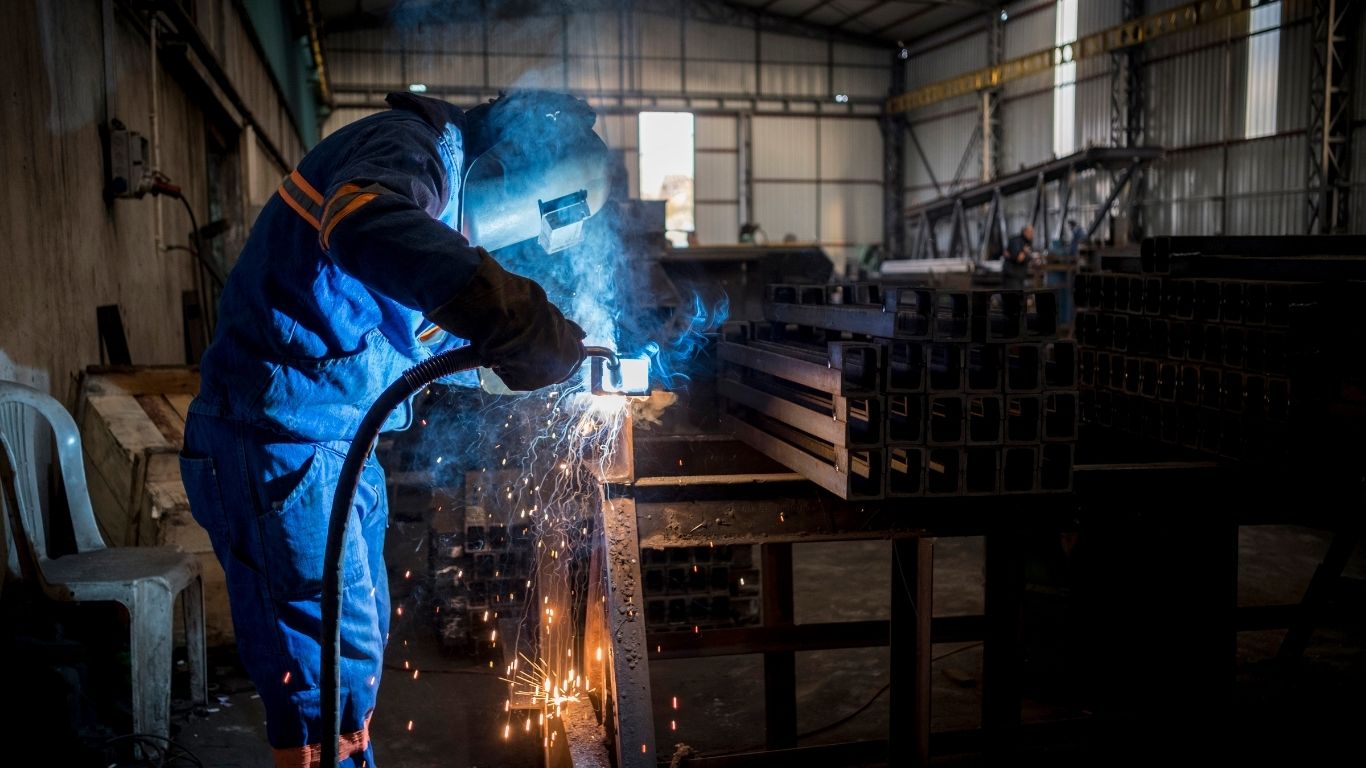
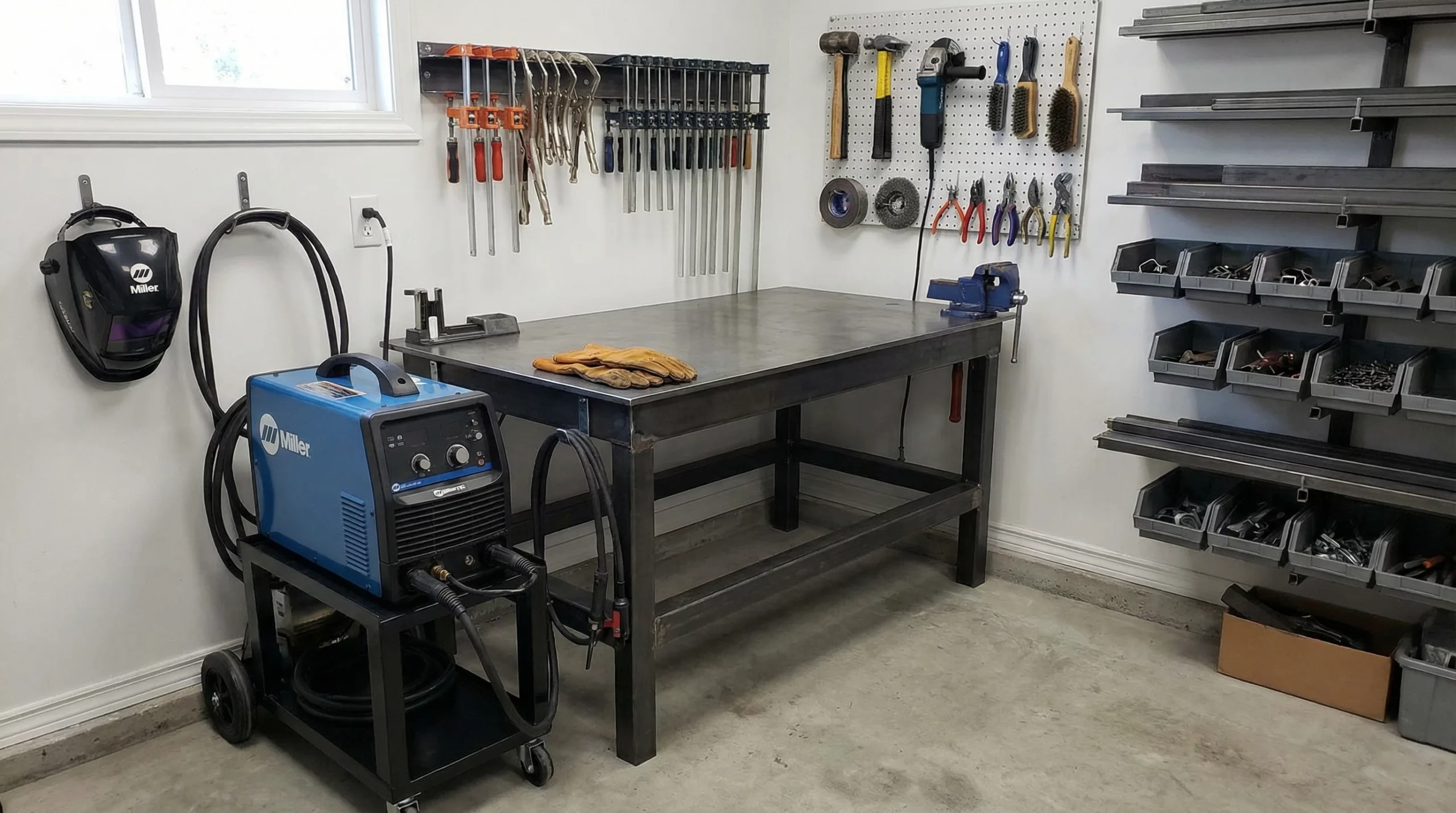
Besides the core machine, protective gear and work area setup are super important for safety. Reliable gloves, a quality auto darkening helmet, and flame resistant clothing protect welders from sparks, UV rays, and heat. A dedicated welding table, clamps, and wire brushes keep the work steady and clean. Investing in a good starter set makes welding in small spaces safer and way more enjoyable.
Getting Started with Your Welding Setup
Setting up a welding space in a small workshop takes some careful planning. Good ventilation, access to power, and secure tool storage create a safe, practical environment for all projects. Beginners often underestimate how smoky or fume-filled welding can get, so a fan or a proper fume extractor helps clear the air and keep things healthy.
Choosing the right welder mostly depends on the kind of work you want to do. For most home and hobby workshops, a compact 120V MIG or multi process welder offers versatility for steel and stainless steel with less hassle. If you’re working on projects that call for more precision, such as thin sheet metal or aluminum, a small TIG welder is a strong bet—but it may take more practice to master.
- MIG Welders: Great for beginners, easier to handle, quick to set up, and ideal for repairs or straightforward fabrication.
- TIG Welders: Provide more precision and deliver cleaner welds, but take more skill and patience to master.
- Stick Welders: Affordable, reliable for outdoor work and heavier metal, though the welds are typically rougher and need cleanup.
Prepare your workbench with a steel top or a thick welding blanket; this prevents damaging your surfaces. Store welding rods, wire spools, and gas cylinders in a secure area, following all local safety regulations. Both manufacturers and safety organizations stress the importance of keeping your workspace neat and free from clutter to reduce the risk of unwanted accidents or distractions.
Must-Have Gear for Beginners
Every experienced welder will tell you that safety gear isn’t optional. Starting out, these basics make up the go-to welding safety kit for new welders:
- Auto darkening helmet: Adjusts to the brightness of the arc and keeps your eyes safe from harmful light.
- Welding gloves: Thick, heat resistant gloves shield hands from burns and sparks.
- Fire Resistant jacket or apron: Protects your arms and torso from heat and flying debris.
- Safety glasses: Also wear these under your helmet to protect from grinding debris and metal splatter.
- Hearing protection: Reduces exposure to loud noises, especially if you’re grinding or cutting as part of your project.
- Steel toed boots: Safeguard your feet from falling scrap and hot metal shards.
Most welding supply stores and online shops carry starter kits including most of these essentials. It’s important to learn how to use and care for this gear staying on top of maintenance and replacing worn equipment before it fails. Keeping your PPE in good condition keeps you safe and makes the entire welding process more enjoyable and stress-free.
Common Challenges and Solutions for New Welders
Jumping into welding in your own small workshop definitely comes with a learning curve. Many beginners face similar obstacles, from poor weld quality to safety problems. The advice of experienced welders or friendly welding supply shop owners can help smooth the way.
- Dirty or rusty base metal: Leads to weak or splattered welds. Be sure to clean workpieces with a wire brush or sandpaper before getting started.
- Poor gas coverage (MIG/TIG): Causes porous welds. Double-check your gas fittings and flow, and shield your weld from any passing drafts.
- Wrong wire, rod, or settings: Always use the correct filler metal and match your voltage or amperage settings to what’s recommended in the welder manual.
- Spatter and slag buildup: Scrap and brush your welds between passes to keep the surface clean and your fusion strong.
- Metal warping: Weld in short sections and on alternate sides. Give your workpiece time to cool down between welds to cut down on distortion.
Everyone makes mistakes at first. Practicing on scrap, keeping a log of what settings worked, and watching tutorial videos can help you make noticeable progress. Joining an online forum or a local welding club can also offer valuable tips and hands-on troubleshooting as you step up your skills.
Practical Tips and Handy Extras
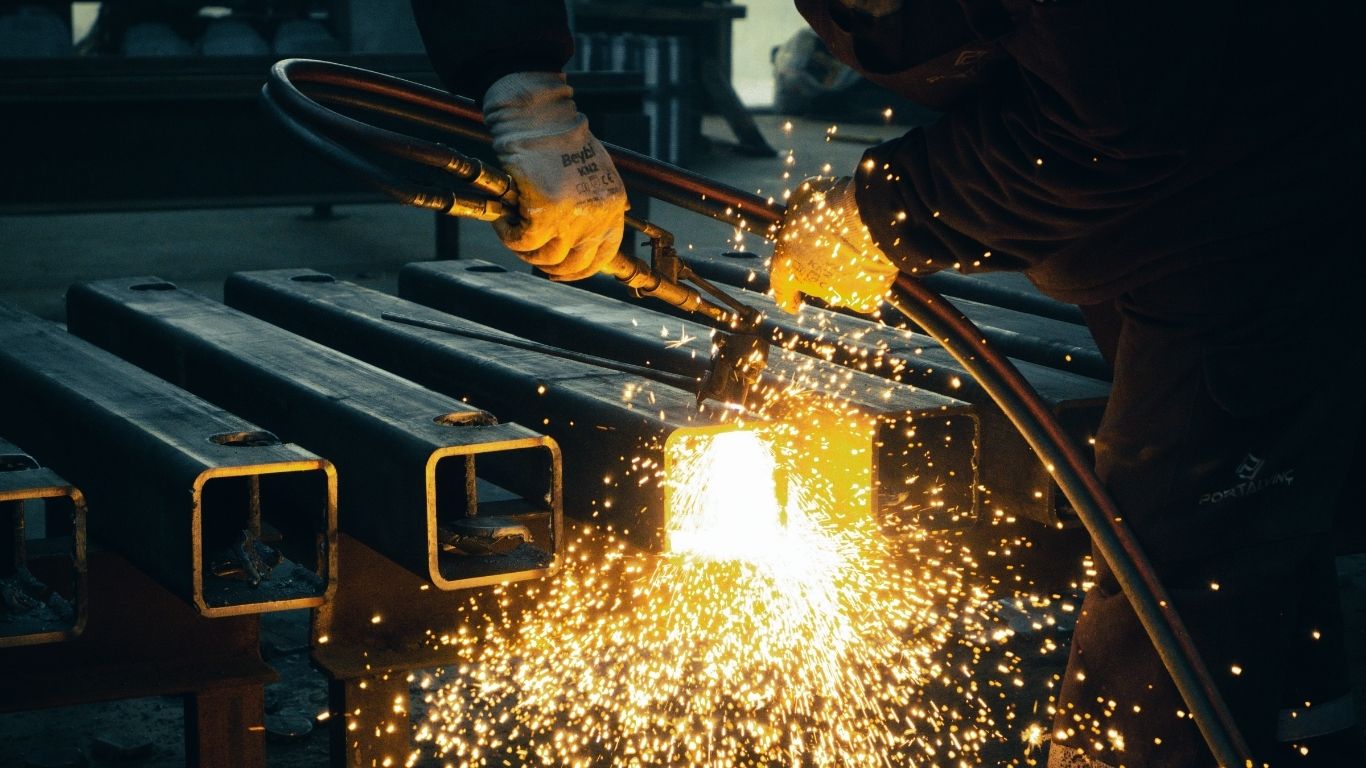
Small workshops get more efficient with a handful of simple accessories and a few practical features. Consider picking up a solid angle grinder to prepare and clean welds. Magnetic welding squares help hold pieces at just the right angle, letting you use both hands when tacking everything together. A chipping hammer, anti spatter spray, and backup contact tips or nozzles are also helpful to have on hand.
For small shops, easy portability can seal the deal. Today’s beginner friendly welders are light, affordable, and offer enough output to tackle many DIY jobs. Always check reviews and test results online before buying doing so can save you both money and frustration. Dependable sellers happily answer questions about duty cycles (the length of time a machine can weld before needing to cool down) and offer warranties for extra peace of mind.
Basic Welding Processes Explained
- MIG Welding: An arc forms between your metal and a wire electrode fed from a spool. It works fast, is easy to adapt, and DIYers everywhere appreciate its simplicity.
- TIG Welding: Uses a tungsten electrode to fire up the arc, with separate filler rods as needed. It’s precise and results are very clean, but it requires more patience.
- Stick Welding: The electrode comes coated in flux, skipping the need for extra shielding gas. This process is forgiving of dirty metals and breezy conditions, but requires more cleanup when you finish your welds.
Manufacturers and technical schools hand out handy charts to help you decide which process, electrode, or wire you should use for different metals and thicknesses. Reviewing these references supports consistent, strong results as your welding confidence grows.
Frequently Asked Questions
- What type of welding is best for a beginner in a home workshop?
MIG welding is generally the easiest because it uses simple controls, steady wire feed, and doesn’t demand perfect technique. That makes it perfect for starting DIY projects and repairs around the house. - How much should I expect to spend on starter welding equipment?
Starter welding kits including your welder, helmet, gloves, and some basic tools are usually in the $400‒$800 range (Depend upon your location). Your price will vary based on which brand you pick, what features come with your machine, and which welding process you choose. Basic stick welders are often less, but higher end, multi process, or inverter MIG/TIG machines cost a bit more. - Can I weld aluminum with entry level equipment?
Some 120V MIG welders can weld thin aluminum sheets if you get the right spool gun and shielding gas, but TIG welders provide better control and cleaner welds. Welding aluminum comes with a learning curve, so be ready to practice before you hit your stride. - Do I need special power outlets for welding machines?
Beginner friendly 120V welders plug into a typical home outlet. Higher powered machines might need a dedicated 240V outlet always have a licensed electrician put in any new outlets to meet your local safety codes.
Choosing Equipment for USA, Australia, New Zealand, and UK Workshops
If you’re in the USA, Australia, New Zealand, or the UK, double-check that any welding machine you buy meets your local safety and voltage standards. Some countries run on 120V or 240V, and imported equipment may need an adapter or transformer to work safely at home. Look for certification labels from recognized testing bodies ANSI/UL in the USA, CE in Europe, or SAA in Australia. Local sellers often have better warranty backing, support, and replacement parts, which can really help if you need repairs later.
No matter where you live, local welding stores or technical colleges can point you to hands-on training or clubs, both of which help build experience and skills. Big online retailers now provide loads of customer reviews on welders, making it easier to pick the right machine for your home shop. Comparing local guidelines and international standards before purchases gives you added peace of mind for safety and reliability.
Next Recommended Article
How to Choose a Welding Table & Clamps for Small Workshops (Beginner Guide)
Which Core Machines Power a Small Workshop Setup? A Practical Guide to Presses, Grinders, and Saws
References:
1. American Welding Society- Beginner’s Guide and Safety Standards
2.Health and Safety Executive (UK)-Welding Fume Guidance
3. WorkSafe New Zealand-Safe Welding in the Workplace
4. Lincoln Electric-Welding Process Selection Guide
5. Australia Government Safe Work-Welding Safety
Editorial Disclaimer
This content is for educational purposes only. Always follow manufacturer guidance and safety procedures.
Learning Sections
Welding & Fabrication Basics: Equipment, Preparation, and Practical Fundamentals