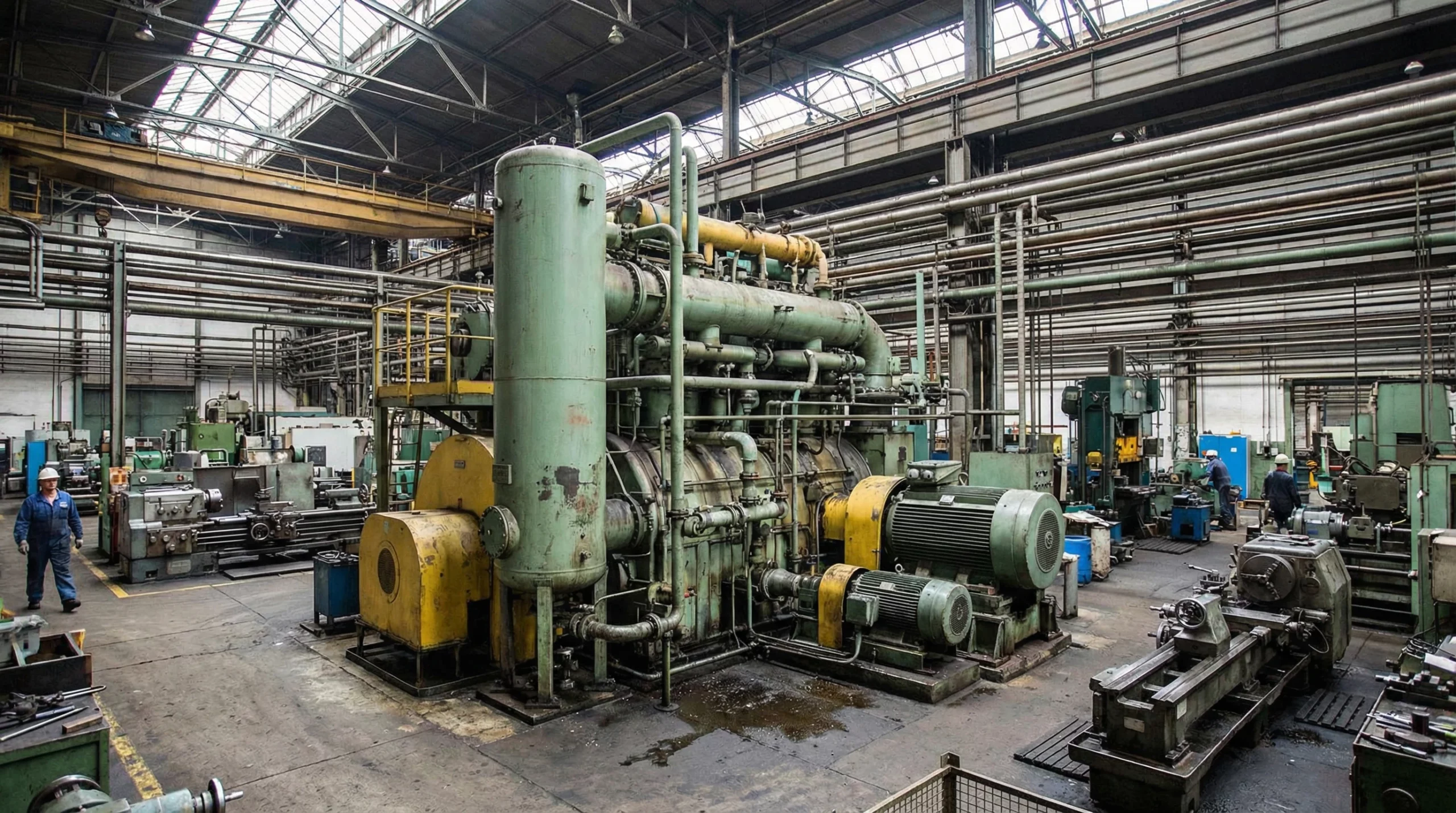
Air compressors have become an essential backbone for many manufacturing facilities. They supply compressed air that powers machinery, tools, and automated systems, all of which are crucial in keeping operations smooth. With such a wide variety of options available, tracking down the best air compressor for a factory or workshop can seem overwhelming. This article will break down what matters most when picking one, tapping into real industry experience, practical advice from professionals, and trusted standards to guide you.
What Is an Air Compressor and Why Is It Important in Manufacturing?
An air compressor is designed to convert power usually from an electric motor or engine into stored compressed air. That compressed air is released in timed bursts to operate devices like pneumatic drills, sanders, paint sprayers, conveyor belts, robotic arms, and even packing or bottling lines. In manufacturing, compressors are highly valued for delivering reliable and flexible power, often requiring less maintenance compared to other energy systems.
In busy factory settings, compressed air is sometimes called the “fourth utility,” after electricity, water, and gas. Nearly every manufacturing step from assembling cars in Detroit to processing food in Sydney may depend on steady access to compressed air. A reliable air supply means production flows; without it, lines can grind to a halt, leading to costly interruptions and production losses.
Main Types of Air Compressors Used in Manufacturing
Different manufacturing tasks call for different compressor types. Picking the right style is key to efficiency and longevity. Here’s what you’ll likely see:
- Reciprocating Compressors (Piston Compressors): Commonly found in small factories and workshops, these use pistons to squeeze air into a storage tank. Think of it as a car’s engine working backward. Single-stage models work for lighter jobs, while two-stage units deliver higher pressure for heavier loads. These are popular in metalwork shops, assembly lines, and maintenance areas due to their abilities and simplicity.
- Rotary Screw Compressors: Designed for continuous-duty needs, these compressors use two rotating screws to compress air smoothly and quietly. They’re low on upkeep but big on output, which makes them an industry standard for automotive, food processing, textile, and plastics plants. These compressors often form the heart of medium to large manufacturing operations due to their steady operation and reliability.
- Centrifugal Compressors: If the facility is pumping out major volumes, centrifugal compressors are the go-to. Using fast-spinning impellers instead of pistons or screws, they push lots of air quickly and efficiently. You’ll see these in chemical plants, refineries, or anywhere bulk air is needed. They require more space and investment, but for large-scale processes, they’re often the best fit.
The choice depends on the volume of air needed, available floor space, power requirements, and ongoing maintenance. For example, a small woodworking shop might run fine with a reciprocating unit, while an electronics plant may count on rotary screw or centrifugal compressors for long hours and tight tolerances.
Key Factors When Choosing an Air Compressor for Manufacturing
There’s no all-in-one solution with compressors; a model perfect for one factory could be a problem in another. Here’s what matters most:
- Required Airflow (CFM): The compressor’s CFM (cubic feet per minute) rating shows how much air it can provide. List out every tool or system that will run together, add up their total CFM, and toss in a margin for increased usage or future upgrades. Having enough headroom is key for adapting to changing production needs.
- Operating Pressure (PSI): Many factory tools list their pressure requirements (measured in PSI). Valuable tip: Always go with a compressor that covers or slightly exceeds the highest PSI needed among your machines to avoid supply hiccups.
- Duty Cycle: This refers to how long a compressor can operate before it needs a break. In manufacturing, where work shifts are long, a compressor boasting a high or 100% duty cycle is a must. Lower duty cycles may overheat and reduce reliability.
- Power Source and Energy Efficiency: Industrial models usually run on three-phase power, but some can use diesel or gas if there’s no steady grid supply. Picking a compressor with energy-saving features like variable speed drives can trim electricity bills. These smart systems turn up the efficiency dial during peak demand and ease up when things slow down, cutting costs over time.
- Compressor Size and Space: Floor space is precious, so double-check that the selected compressor fits your site and leaves enough room for servicing. Ventilation and sound management may also be important, especially in tight layouts or near sensitive equipment.
- Maintenance and Service Support: Units with easy-access filters and straightforward construction get fixed up faster, preventing long downtimes. Make sure local support and readily available parts are in the mix before you settle on a purchase it’ll save headaches later.
Must-Have Features and Accessories
Beyond the basics, manufacturing compressors benefit from some smart add-ons and features:
- Air Dryers: Moisture in compressed air can cause damage inside hoses and machinery, or even ruin end products. An air dryer pulls out water vapor, giving your system and finished goods a boost in quality and gear life.
- Filters: To keep out dust, oil, or other muck that slips into pipelines, filters are a must. These safeguard both the compressor itself and everything it powers, reducing wear-and-tear.
- Air Receivers (Storage Tanks): A receiver acts as a buffer, storing excess compressed air so the compressor can relax when demand spikes. Picking the right size prevents air starvation and smooths out workflow.
- Automatic Drain Valves: These smart valves dump water out of the tank, so you don’t have to remember to do it. Less manual work means less risk of forgetful mistakes.
- Electronic Controls: Modern systems come equipped with friendly digital panels. These offer alerts for maintenance, allow tuning of output, and track usage stats for easy oversight. For factories, this helps staff stay on top of potential issues before they cause shutdowns.
Common Challenges and Solutions in Air Compressor Selection
Even pros can run into issues with selecting or using air compressors. Here are some real-world troubles and how to fix them:
- Underestimating Air Demand: Sizing mistakes can occur if you miss equipment updates or don’t plan for growth. Always build in a cushion choose a compressor that can handle tomorrow’s load, not just today’s.
- Poor Air Quality: Dirty air chips away at machine reliability and overall product quality. Addressing this early with filters and dryers is a wise move.
- Energy Consumption: Compressors guzzle electricity. Opting for newer, high-efficiency motors and scheduling regular maintenance can keep costs and wear down.
- Noise: These machines are often loud. If noise is an issue, try placing compressors in separate rooms or use acoustic wraps to tone things down.
Real Example from Industry Experts
One facility manager reported big savings after switching from an aging piston compressor to a rotary screw unit. Energy use dropped by about a third, and the plant enjoyed a smoother air supply with fewer breakdowns. Checking out similar setups at other factories and talking to multiple suppliers before buying were both suggested as smart steps.
Safety, Regulations, and Industry Standards
Safety and following the rules are vital in any industrial setting. Air compressors need to meet local codes and where you can manage follow respected international standards like those from ASME or ISO. It’s crucial to keep up with regular safety checks, including pressure vessel inspections and valve testing. Training your operators and keeping an eye on maintenance helps prevent accidents and keeps workers safe.
Regulation frameworks vary: in the USA, OSHA and ASME rules are the go-to. Australia and New Zealand use AS/NZS guidelines. In the UK, BCAS and HSE regulations are the main sources. Always check the latest requirements in your region to cover all your safety and compliance bases.
Quick Tips for Buyers in USA, Australia, New Zealand, and UK
Buyers need to know plug types, voltage rules, and country-specific safety standards. Electrical ratings, certification marks (like UL, CE, AS/NZS), and even installation requirements will differ. Choose suppliers that offer local installation, training, and service this local backup is extremely helpful for resolving issues quickly.
It’s also a good idea to compare prices on popular platforms like Amazon or through specialist supplier websites, making sure to check user reviews. Watch for delivery fees, since shipping such heavy gear is often expensive. Make warranty coverage and service support a deciding factor, so unexpected breakdowns don’t leave you stranded.
Frequently Asked Questions
- Question: What is the best air compressor type for most manufacturing works?
Answer: Rotary screw compressors get the thumbs up for most medium to large manufacturing roles thanks to reliable, low-maintenance, and continuous air supply. For lighter, more occasional workshop tasks, a well-chosen reciprocating model may be perfect. - Question: How do I size an air compressor?
Answer: Make a list of the CFM needs for all equipment expected to run together. Add in the peak PSI requirement, tack on a 20 to 25% margin for unexpected surges or future additions, then pick a compressor that covers these totals. - Question: How important are maintenance and service contracts?
Answer: Crucial. Good service and prompt access to parts cut down on downtime, protect your investment, and ensure warranties keep you covered. Select brands with top-notch support in your region. - Question: Can I use a home garage compressor in a factory?
Answer: Maybe for very light tasks, but most garage compressors aren’t built for all-day use, industrial safety standards, or high output. For real manufacturing durability and reliability, stick with industrial-grade equipment.
Next Recommended Article
Which Core Machines Power a Small Workshop Setup? A Practical Guide to Presses, Grinders, and Saws
References
- U.S. Occupational Safety and Health Administration (OSHA)–Compressed Air Safety Guidelines
- ASME Boiler and Pressure Vessel Code, Section VIII-Rules for Construction of Pressure Vessels
- British Compressed Air Society (BCAS)-Best Practice Guide
- Atlas Copco-Industrial Air Compressors Selection Guide https
- Global ISO 8573 Standard – Compressed Air Quality
Editorial Disclaimer
This content is for educational purposes only. Always follow manufacturer guidance and safety procedures.