Power tools are crucial in many industries, trades, and home projects across Australia, the USA, New Zealand, Asia, and Europe. Power tool torque explained in practical terms helps users understand how tools actually perform under load rather than relying only on printed specifications. When reviewing the specifications of drills, impact drivers, or wrenches, one value often stands out: torque. Understanding what torque means in real work conditions can make a tangible difference in tool performance and helps users select the right equipment for each specific job.
What Is Torque?
Torque is the force that turns or twists an object, commonly measured in Newtonmeters (Nm) or inchpounds (inlb). In basic terms, torque shows how much turning power a power tool has to rotate a screw, bolt, or nut. The higher the torque, the more force a tool can apply to the task at hand. This is especially useful when tackling projects like drilling thick timber, driving large screws, or tightening stuck bolts or nuts. Knowing the right amount of torque needed makes jobs more efficient, prevents damage to fasteners or materials, and can even protect the user from injury.
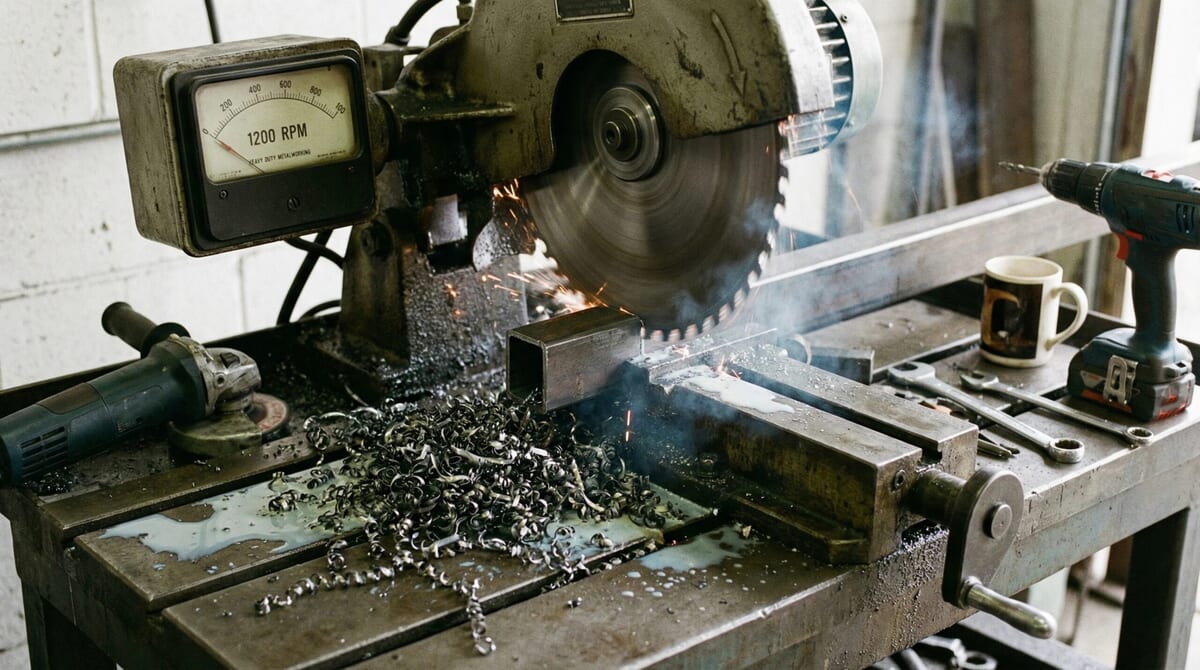
Torque is not the same as speed, which is measured in revolutions per minute (RPM). Speed measures how quickly a tool spins, but torque is all about the strength behind the spin. For many jobs, the best fit is a tool that finds the right balance between speed and torque, as this affects how a tool performs in various materials and applications.
With advances in tool motor technology and battery power, today’s tools often provide more precise control over torque. Newer models also offer more consistent power delivery and allow fine adjustments, which makes it easier to avoid slipping, stripping, or damaging screws and bits.
Understanding Torque Ratings in Power Tools
Manufacturers, from Europe to Japan, the USA to Australia, publish torque ratings for drills, wrenches, and drivers to help users compare models. These ratings are either maximum (advertised as peak or maximum torque) or sustained (measured as constant torque during ongoing use). Two main types are found in manuals and on product pages:
- Soft Torque: Torque measured when driving into lighter materials like pine or plastic. This reflects real-life, everyday use for tasks such as flatpack furniture assembly or general repairs.
- Hard Torque: Maximum torque measured when working in tough materials such as steel, concrete, or dense hardwood. This shows the tool’s upper capability in short bursts.
Brands including Makita, Bosch, DeWalt, and Milwaukee often list both figures. Comparing these values helps users pick between economy and high-grade models for jobs across construction, automotive, or home improvement industries.
How Torque Affects Real Work Performance
A high torque figure on paper seems impressive. However, conditions in real worksites across Auckland, Sydney, New York, and Tokyo are seldom ideal. Factors like battery level, bit condition, technique, and the material itself all affect how much torque is actually transferred to the fastener.
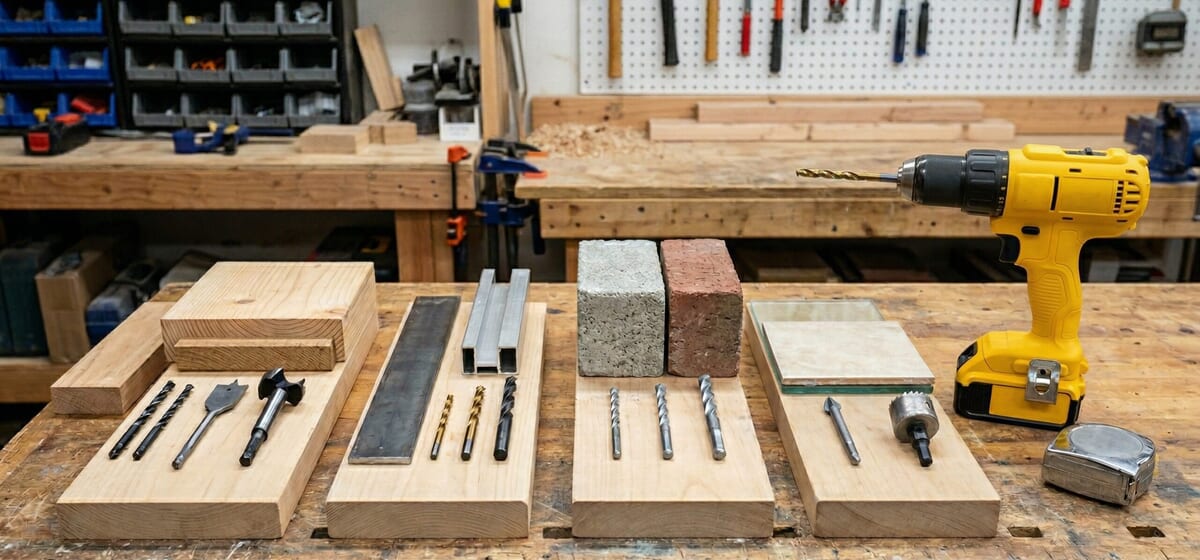
- Material Resistance: Harder materials demand more torque to drive or remove fasteners. Drilling into masonry needs more torque compared to soft wood.
- Bit Wear: Worn or dull bits increase resistance, reducing the amount of torque effectively delivered at the bit tip. Regularly swapping out worn bits helps maintain performance.
- Battery Charge: Cordless tools lose torque as the battery drains. Professionals notice this drop and keep spare batteries on hand for uninterrupted work.
- User Technique: A user’s grip, pressure, and control impact how torque is transferred, as does using the correct posture or leveraging the right stance according to the job.
Thus, the listed torque is just a helpful benchmark, not a guarantee of identical output under every circumstance.
Choosing the Right Torque for the Task
The correct level of torque varies depending on the application. For lighter tasks like assembling furniture, a moderate torque range (20-40 Nm) generally suffices. More demanding chores such as installing lag bolts in hardwood, working with masonry, or loosening stuck nuts require much higher torque (sometimes 100 Nm or more). In workshops or for automotive jobs like changing tires, impact wrenches with even greater torque (often 200 Nm or more) are standard.
In markets like Australia, America, New Zealand, and Europe, users frequently choose tools with adjustable torque. This can be managed via clutches or electronic controls, helping prevent stripped screws or damaged components. Variable torque controls also protect the tool and the material while giving users better safety and control.
- Low Torque: Best for electronics, small screws, and delicate materials where overtightening would cause damage.
- Medium Torque: Great for framing timber, drywall, or light construction tasks.
- High Torque: Needed for masonry, lag bolts, or tough automotive applications.
Common Myths and Misunderstandings About Torque
A common belief is that more torque guarantees better results. That’s not always true. Too much torque can strip screws, shatter bits, and damage workpieces if not controlled properly. Many jobs, such as finishing carpentry or electronics assembly, need more finesse and less raw power.
Another misconception is thinking all tools with the same torque rating work identically. In reality, build quality, brand engineering, and maintenance play major roles. Asian and European brands sometimes build their motors and gears differently compared to American or Australian tools, making the user experience feel unique despite similar specs. Testing a tool on the job, when possible, can reveal performance traits not apparent from numbers alone.
Quick Guide: Getting the Most Out of Your Power Tool Torque
Making the most of your tool’s torque is about more than choosing the highest rating. The following tips help maintain both torque and tool life:
- Pick the Right Tool: Go for compact, lighter models for routine, short jobs; choose heavy-duty options for extended or tough applications.
- Use Suitable Accessories: Select sharp, high quality, purpose-made bits or sockets. These reduce friction and let the torque flow to the fastener efficiently.
- Keep Batteries Charged: For cordless tools, keep batteries charged and swap out tired battery packs promptly.
- Adjust Tool Settings: Use speed and clutch or electronic controls to match the job and material. This stops overdriving fasteners and preserves torque.
- Maintain Your Gear: Oil moving parts when needed and keep gearboxes, motors, and chucks clean. Regular care improves output and extends life.
Things to Consider Before Buying a High Torque Power Tool
When investing in a power tool, consider these important points to find the best match for specific regions from Australia and New Zealand to America, Asia, and Europe:
- Battery Life: Higher torque draws more energy. Carry extra batteries to avoid downtime on the job.
- Weight and Comfort: High-torque models can be heavier. Pay attention to grip and overall balance for comfortable, safe operation over long periods.
- Vibration Management: Stronger tools can cause more vibration. Look for models with antivibration technology or grippy handles to reduce fatigue.
- Voltage and Standards: Make sure corded tools and chargers meet your local voltage requirements, especially when working in places like Europe or Australia (where 230V or 240V are common).
- Warranty and Service: Go with reputable brands that offer solid support and accessible service centers in your region so spare parts and repairs aren’t a headache.
Battery Life
High-torque tools use more battery power. Workers and contractors in Sydney, Singapore, or Berlin benefit greatly from tools with efficient motors and bigger batteries. Carrying charged backup batteries helps avoid downtime, especially when working on remote or expansive sites.
Comfort and Fatigue
Automotive, carpentry, and construction workers who spend hours with heavy tools need to consider fatigue and ergonomics. Lighter, well-balanced tools with ergonomic or textured grips cut down on strain and boost control. This is especially helpful in regions with extreme temperatures or humidity.
Vibration Challenges
Powerful motors create vibration, which over time can lead to discomfort or even strain. Built-in vibration damping and accessories such as special gloves or grips can ease this, making long sessions more comfortable without reducing effective torque.
Key Applications of High and Low Torque Tools
Globally, lower torque tools work well for jobs like:
- Assembling electronics or appliances (Asia)
- Cabinetry or trim carpentry (Europe, Australia, USA)
- Any delicate or detailed work
Higher torque models come out on top for:
- Automotive repair, tire work, or heavy vehicle tasks (USA, Europe, Australia, New Zealand)
- Large construction, dense wood or concrete applications (Asia, New Zealand, Australia, USA)
- Big metal installations on industrial job sites (Europe or global projects)
Matching the tool to the application ensures efficiency and safety, regardless of whether it’s a DIY weekend project or heavy industry installation.
Frequently Asked Questions
- What is the difference between rated and maximum torque?
Maximum torque is the highest force achieved in short bursts, while rated torque (sometimes called nominal torque) is the constant force the tool can deliver during continuous use. Only comparing maximum figures can give the wrong idea about real-world capabilities. - Why does my tool feel weaker than its listed torque?
If your tool feels weaker, it’s often because of low battery, dull bits, or harder than expected materials. Lab tests often don’t match up to real life, which explains the difference. - Are corded and cordless torque ratings different?
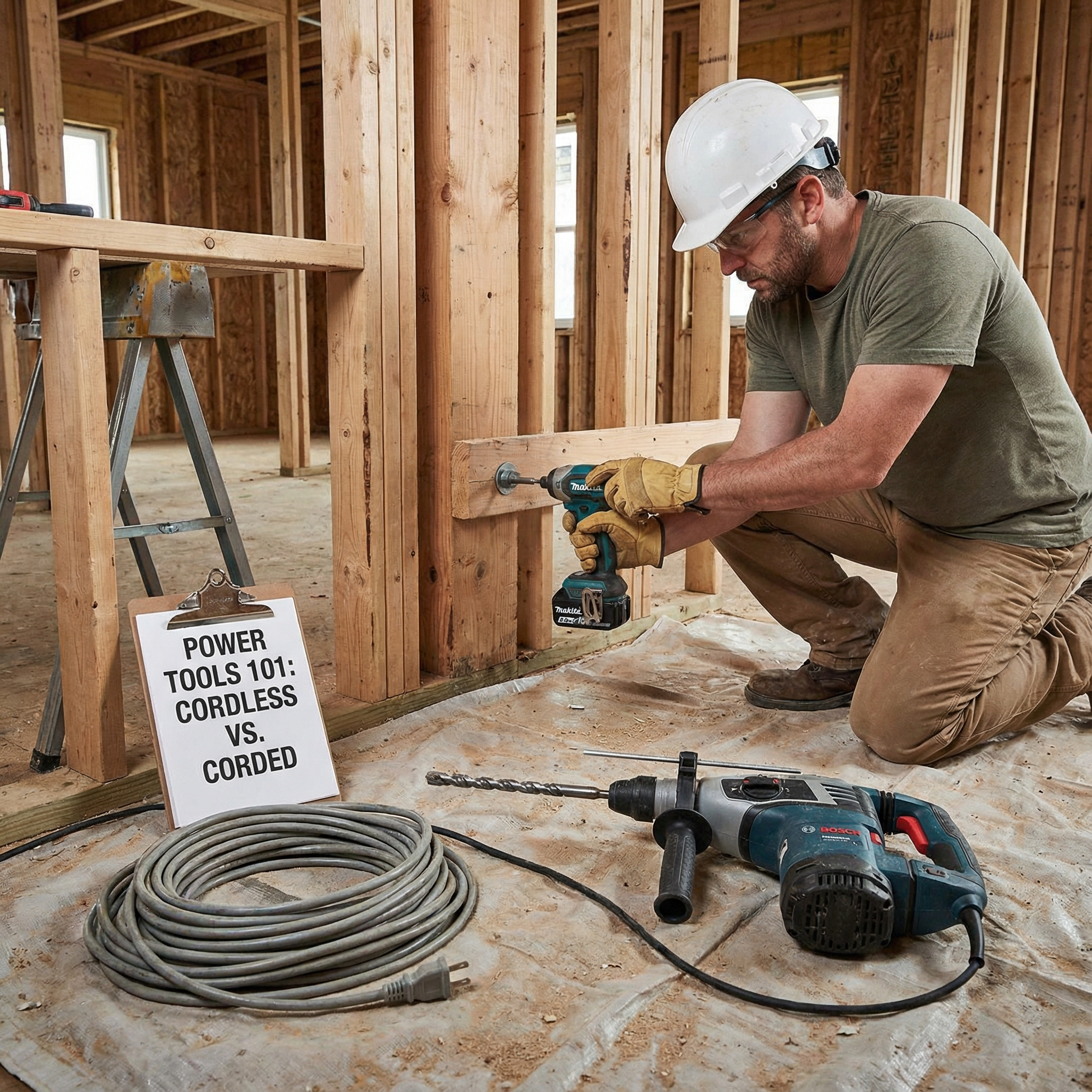
Corded and cordless tools usually quote torque using similar test methods. However, in actual use, corded tools hold their full torque longer, while cordless types may lose torque as batteries approach empty.
Next Recommended Article
Understanding the Memory Effect in Power Tool Batteries
References
- Standards Australia – “AS/NZS 60745.2”
- International Electrotechnical Commission
- Bosch Professional-Drilling and driving torque
Editorial Disclaimer
This article is for educational purposes only, and readers should always refer to the manufacturer’s official specifications and safety guidelines for exact application requirements.