Steel and metal fabrication demand more than strength and precision they require the right combination of power tools for steel and metal work designed to cut, shape, join, and finish hard materials safely and efficiently. In professional workshops and jobsite environments, selecting the correct equipment is not simply about speed ratings or motor power. It involves carefully matching each tool’s capability to material thickness, alloy composition, tolerance requirements, and overall production volume. Proper tool selection directly impacts efficiency, surface quality, structural integrity, and long-term reliability in fabrication projects.
Understanding Steel and Metal Fabrication Needs : Power tools for steel and metal work
Steel and metal work encompasses a range of activities that are integral to construction, manufacturing, and fabrication sectors. The varying demands of such projects bring forth specific requirements that professionals must consider when selecting appropriate power tools. The type of metal being worked with, its thickness, the intended joinery methods, and the overall project objectives significantly influence tool selection. One major aspect of steel and metal work is the type of projects undertaken, which can include structural applications, fabrication of metal components, and welding processes. Each of these categories poses unique challenges.
Structural work often necessitates tools capable of handling thick materials, particularly when working with steel beams and reinforcements. Metal fabrication includes working with various forms such as sheets, plates, and tubes, and demands precision and versatility for cutting, shaping, and assembling components.
Another crucial consideration is the thickness of the material being processed. Professionals typically encounter metals with varying gauges, which dictate the choice of cutting or welding tools. For instance, thicker metals require powerful cutting tools like plasma cutters or heavy-duty saws, while thinner materials might be better suited for laser cutters or portable bandsaws.
Additionally, joint types such as butt joints or lap joints have specific requirements for tool application, ensuring secure connections are achieved. Moreover, sourcing quality materials is essential, as not all steel and metals are alike; differences in grade and composition can impact the performance of tools and the success of the project.
Understanding the nuances of these materials equips professionals to make informed decisions on which power tools to procure. This foundational knowledge not only enhances efficiency but also contributes to safer and more effective metalworking practices.
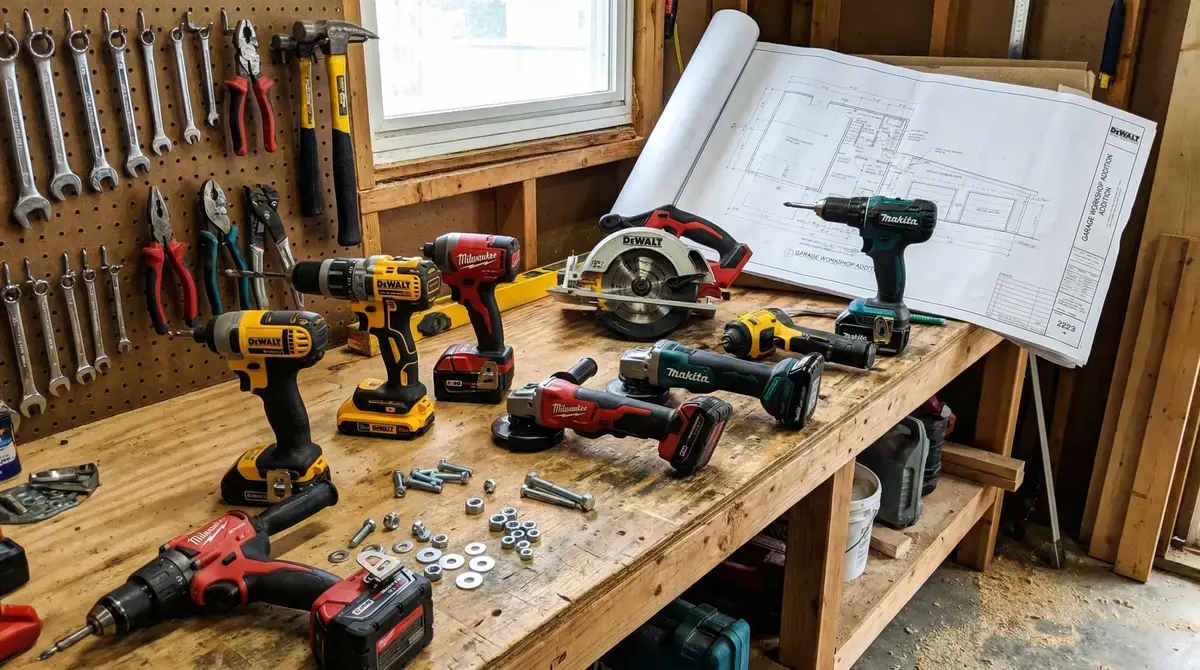
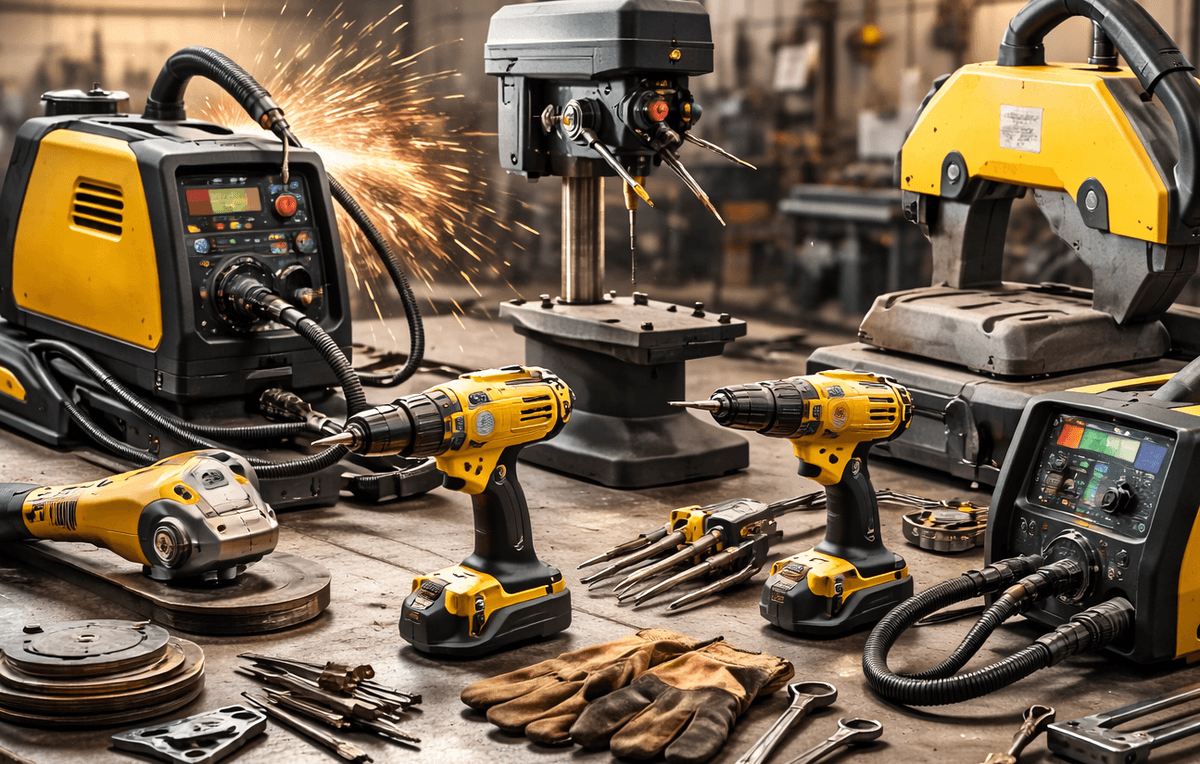
A Practical Guide to the Core Equipment Used in Modern Fabrication : In modern workshops and fabrication environments, power tools for metal work can be grouped into several functional categories: cutting, drilling, welding, grinding, shaping, and finishing. Each category plays a distinct role in transforming raw steel into functional components.
The Metalworker’s Arsenal: 7 Power Tools That Define Modern Fabrication.
-
Cutting Tools for Metal Fabrication
Cutting is often the first stage of fabrication. The accuracy of this step directly affects assembly quality and structural integrity.
Common metal cutting power tools:
- Angle grinders (with cutting discs)
- Metal-cutting circular saws
- Cold saws
- Band saws (horizontal & vertical)
- Plasma cutters
- Oxy-fuel cutting systems
- Rotary cutting tools (die grinders with carbide burrs or cutoff wheels)
Angle grinders are highly versatile and widely used for cutting rebar, sheet metal, tubing, and structural steel when paired with appropriate discs. Band saws provide straighter, more controlled cuts for bar stock and profiles. Plasma cutters are ideal for precise cutting of thin to medium steel plates, especially in fabrication shops.
Rotary cutting tools and die grinders are essential for smaller, detailed work slotting, trimming weld beads, or refining edges in tight areas.
Tool selection depends on:
- Material thickness
- Required precision
- Production speed
- Heat control considerations
-
Drilling and Hole-Making Equipment
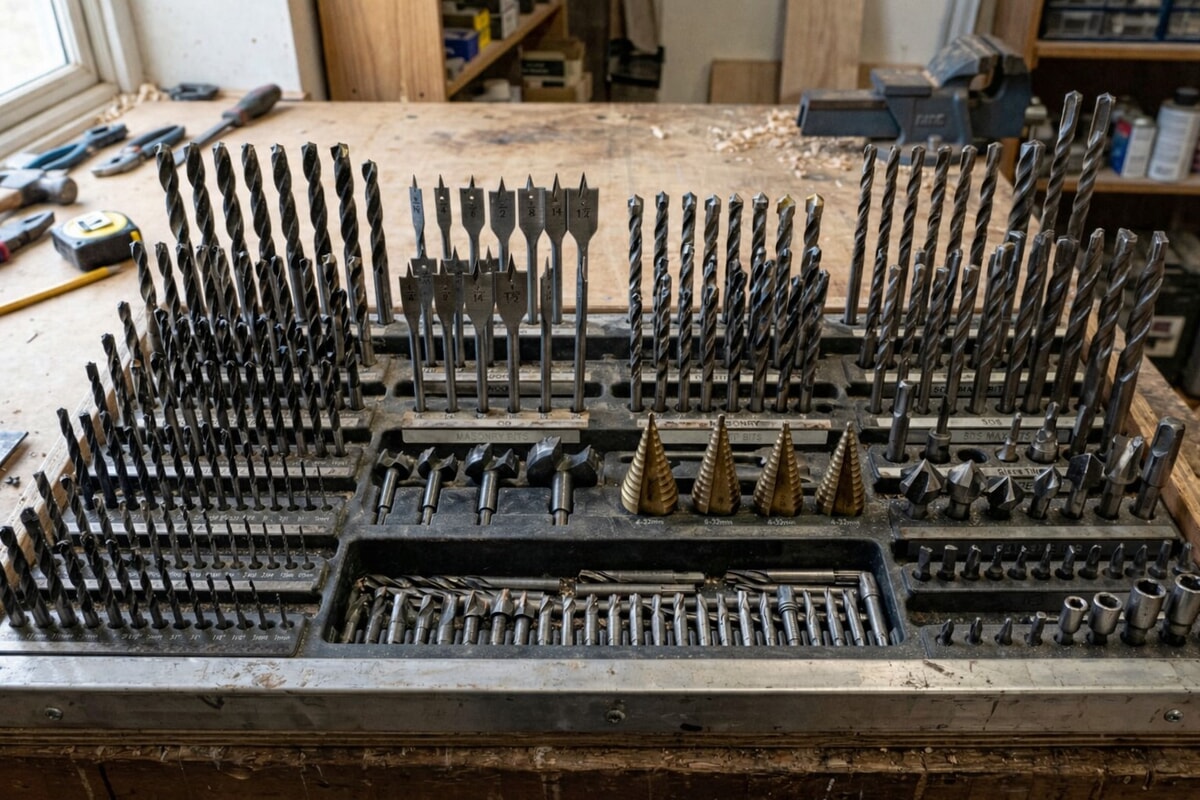
Drilling is often overlooked in basic tool lists, yet it is fundamental in steel fabrication for fasteners, anchor points, and structural assembly.
Essential drilling tools:
- Corded or cordless heavy-duty drills
- Magnetic base drills (mag drills)
- Drill presses
- Rotary hammer drills (for steel-to-concrete applications)
- Annular cutters
Magnetic drills are widely used in structural steel work, especially on beams and large sections. Drill presses provide stability and accuracy for workshop-based metal projects. For repetitive or high-precision holes, annular cutters improve efficiency and reduce material waste.
When drilling metal, torque control, bit material (HSS, cobalt, carbide), and cooling/lubrication are critical factors.
-
Welding Equipment
Joining metal components is central to fabrication. The welding process selected depends on material type, thickness, and structural requirements.
Core welding systems:
- MIG (GMAW) welders
- TIG (GTAW) welders
- Stick (SMAW) welders
- Multi-process welders
- Spot welders (sheet metal work)
MIG welding is common for general steel fabrication due to speed and ease of use. TIG welding offers greater precision for thinner materials or stainless steel. Stick welding remains popular for outdoor and structural applications.
Selection depends on:
- Metal thickness
- Required weld appearance
- Portability needs
- Power supply availability
-
Grinding and Surface Preparation Tools
Grinding tools refine edges, remove excess weld material, and prepare surfaces for coating or assembly.
Common grinding equipment:
- Angle grinders (grinding wheels & flap discs)
- Bench grinders
- Die grinders
- Surface grinders (machine tools)
Angle grinders are indispensable for beveling edges before welding and smoothing weld seams. Die grinders allow for precision shaping in confined areas. Bench grinders are typically used for tool sharpening and minor shaping tasks.
RPM ratings, disc diameter, vibration control, and guard systems should always be checked before use.
-
Shaping and Material Removal Tools
Metal fabrication frequently requires shaping beyond simple cuts.
Tools in this category:
- Nibblers
- Metal shears (powered)
- Power hammers (industrial use)
- Roll forming tools
- Belt sanders (for contouring steel surfaces)
Nibblers and powered shears are effective for sheet metal shaping without excessive heat distortion. Belt sanders help contour curved surfaces or remove oxidation.
-
Finishing and Polishing Tools
Finishing determines corrosion resistance, appearance, and coating readiness.
Finishing tools include:
- Orbital sanders
- Polishers
- Wire brushes (powered)
- Buffing wheels
- Surface conditioning tools
Finishing tools remove rust, mill scale, paint, and oxidation. Proper surface preparation is essential before galvanizing, powder coating, or painting.
-
Supporting Equipment Often Overlooked
Professional metalwork also relies on:
- Air compressors (for pneumatic tools)
- Dust extraction systems
- Clamps and magnetic holders
- Measuring and marking tools
- Workholding systems
These tools improve precision, safety, and workflow efficiency.
Understanding the Difference Between Steel and Metal in Fabrication
In fabrication and workshop environments, the terms “steel” and “metal” are often used interchangeably, but they are not the same. Metal is a broad category that includes a wide range of elements and alloys such as aluminum, copper, brass, stainless steel, cast iron, and structural steel. Steel, on the other hand, is a specific alloy primarily made from iron and carbon, sometimes combined with additional elements like chromium, nickel, or manganese to improve strength and corrosion resistance.
Steel is widely used in construction, structural frameworks, machinery components, and heavy fabrication because of its strength-to-weight ratio and durability. However, other metals serve equally important roles. Aluminum is lightweight and corrosion-resistant, making it common in automotive and aerospace applications. Copper is valued for electrical conductivity. Stainless steel offers corrosion resistance for food processing and marine environments.
From a tooling perspective, different metals require different cutting speeds, abrasives, drill bits, and welding methods. Aluminum may require sharper tooling and controlled heat input, while stainless steel demands slower speeds and proper cooling to avoid work hardening. Cast iron behaves differently under drilling and grinding compared to mild steel.
Understanding these distinctions ensures correct tool selection, safer operation, and improved surface finish. While steel dominates many fabrication projects, modern workshops frequently work across multiple metal types, which is why both “steel” and “metal” remain important terms in professional tool selection and fabrication planning.
Applications of Steel and Other Metals in Fabrication
Steel remains the backbone of modern fabrication due to its strength, durability, and structural reliability. It is widely used in construction frameworks, structural beams, machinery components, industrial platforms, automotive chassis, and heavy equipment. Mild steel is commonly selected for general fabrication and structural welding because it is strong yet workable.
Stainless steel, valued for corrosion resistance, is used in food processing equipment, marine fittings, medical devices, and architectural elements. Structural steel often requires heavy-duty cutting tools, magnetic drills for beam work, high-amperage welding systems, and robust grinding equipment to handle thickness and density efficiently.
Other metals serve equally important roles depending on the application. Aluminum is widely used in automotive panels, aerospace components, window frames, and lightweight structural assemblies due to its low weight and corrosion resistance. Fabricating aluminum requires controlled heat input, appropriate welding methods such as TIG, and sharper cutting tools to prevent material distortion.
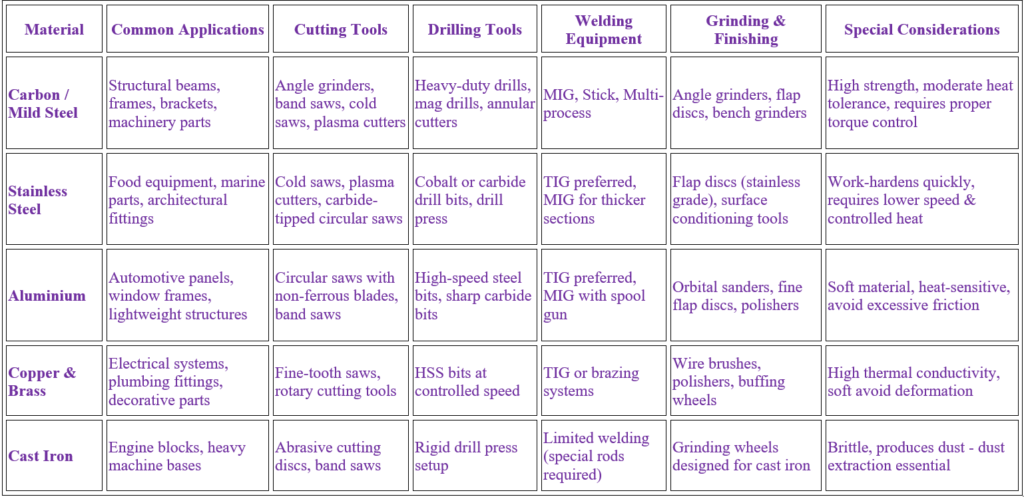
Copper and brass are frequently used in electrical systems, plumbing fittings, decorative hardware, and precision components. These softer metals require careful drilling speeds and finishing tools to avoid deformation.
Cast iron is common in machine bases, engine components, and industrial housings, often requiring rigid drilling setups and specific abrasives due to its brittleness.
Each metal type responds differently to cutting speed, heat generation, and pressure. Selecting the correct power tools, abrasives, drill bits, and welding processes ensures dimensional accuracy, surface quality, and structural integrity. Understanding these material differences allows workshops to optimize productivity while maintaining safety and long-term performance standards.
Safety Protocols and Best Practices When Using Power Tools
When engaging in steel and metal work, the use of power tools necessitates strict adherence to safety protocols to safeguard both the user and the workplace. The inherent risks associated with metalworking processes, which can include sharp edges, heavy machinery, and intense heat, underscore the need for diligent safety measures.
A fundamental aspect of these protocols is the appropriate use of personal protective equipment (PPE). Essential items such as safety goggles, gloves, and ear protection should always be worn to mitigate risks such as eye injuries, cuts, and hearing damage.
Proper tool maintenance is another critical factor in ensuring safety when using power tools. Regular inspection of tools for signs of wear, damage, or defects is necessary to prevent malfunctions that could lead to accidents.
Tools should be cleaned after use and stored securely, as disorganized workspaces can lead to hazardous situations. The right choice of tools for specific tasks also plays a critical role; using a tool incorrectly can exacerbate risks associated with its operation, thus the operator must be trained adequately in using each tool for its intended purpose.
Furthermore, it is crucial to follow established handling procedures. For instance, keeping hands away from cutting edges and ensuring that workpieces are securely held in place can dramatically reduce the risk of slips and injuries.
Real-life scenarios, such as instances where an operator suffered an injury due to neglecting safety protocols, highlight the importance of diligence. By adhering to industry safety standards and best practices, metalworkers can mitigate risks effectively, creating a safer environment for themselves and their colleagues.
Industry Standards and Lasting Recommendations for Tool Selection
The selection of power tools for steel and metalwork is governed by a set of stringent industry standards aimed at ensuring both efficiency and safety. Various organizations and professional bodies have established guidelines that serve as reference points for manufacturers and users alike.
The American National Standards Institute (ANSI) plays a crucial role in defining these standards, providing specifications for the performance, safety, and efficiency of power tools used in industrial applications.
In addition to ANSI, the Occupational Safety and Health Administration (OSHA) guidelines are essential for ensuring safe work practices when handling power tools.
These regulations not only stipulate requirements for tool design and usage but also include recommendations for maintenance and inspection, thereby maximizing the longevity and reliability of the equipment. It’s crucial for operators to be familiar with these regulations to adhere to best practices during metalworking tasks.
Moreover, leading manufacturers often provide detailed manuals that adhere to industry standards, offering insights into the correct application, operation, and maintenance of specific power tools.
These resources are invaluable, as they frequently include safety features and recommendations adhering to current technological advancements.
For anyone involved in steel and metalwork, consulting reliable resources is essential for informed decision-making.
Three authoritative references worth exploring include the American National Standards Institute (ANSI), which outlines comprehensive safety standards, Occupational Safety and Health Administration (OSHA) for workplace safety regulations, and the American Welding Society (AWS) for best practices in metal joining.
By adhering to these recommendations, professionals can ensure not only compliance with safety standards but also enhance operational efficiency in their projects.
Conclusion
Steel and metal fabrication rely on a coordinated system of power tools rather than a single category of equipment. Cutting, drilling, welding, grinding, shaping, and finishing tools each play a distinct role in transforming raw metal into functional components. Understanding the purpose and limits of each tool ensures better results, longer tool life, and safer operation in workshop and jobsite environments.
Choosing the right power tools for steel and metal work ultimately depends on material type, project scale, required tolerances, and working conditions. A balanced tool selection strategy improves productivity while maintaining safety and professional standards.
By understanding the functionalities of these categories of power tools and carefully assessing operational needs, one can ensure efficient, safe, and high-quality metalwork.
FAQ : Frequently Asked Questions about Power tools for steel and metal work
- What are the most important power tools for steel fabrication?
The most essential tools include angle grinders, band saws, heavy-duty drills, welding machines, die grinders, and finishing equipment. The exact selection depends on project type and material thickness. - Are cordless tools suitable for metal work?
Modern cordless tools with brushless motors and high-capacity batteries are suitable for many fabrication tasks, though heavy industrial cutting may still require corded or three-phase equipment. - What safety equipment is required for metal fabrication?
At minimum: eye protection, hearing protection, cut-resistant gloves, steel-toe footwear, and appropriate respiratory protection when grinding or welding.
Next Recommended Article
- Understanding Torque, RPM, and Voltage in Power Tools
- How to Choose the Right Power Tools for Your Job
International Reference Standards
ISO 12100 – Safety of Machinery: General Principles for Design
ANSI B7.1 – Safety Requirements for the Use, Care, and Protection of Abrasive Wheels
OSHA 29 CFR 1910 Subpart P – Hand and Portable Powered Tools and Equipment
Editorial Disclaimer
This article is for educational purposes only, and readers should always refer to the manufacturer’s official specifications and safety guidelines for exact application requirements.