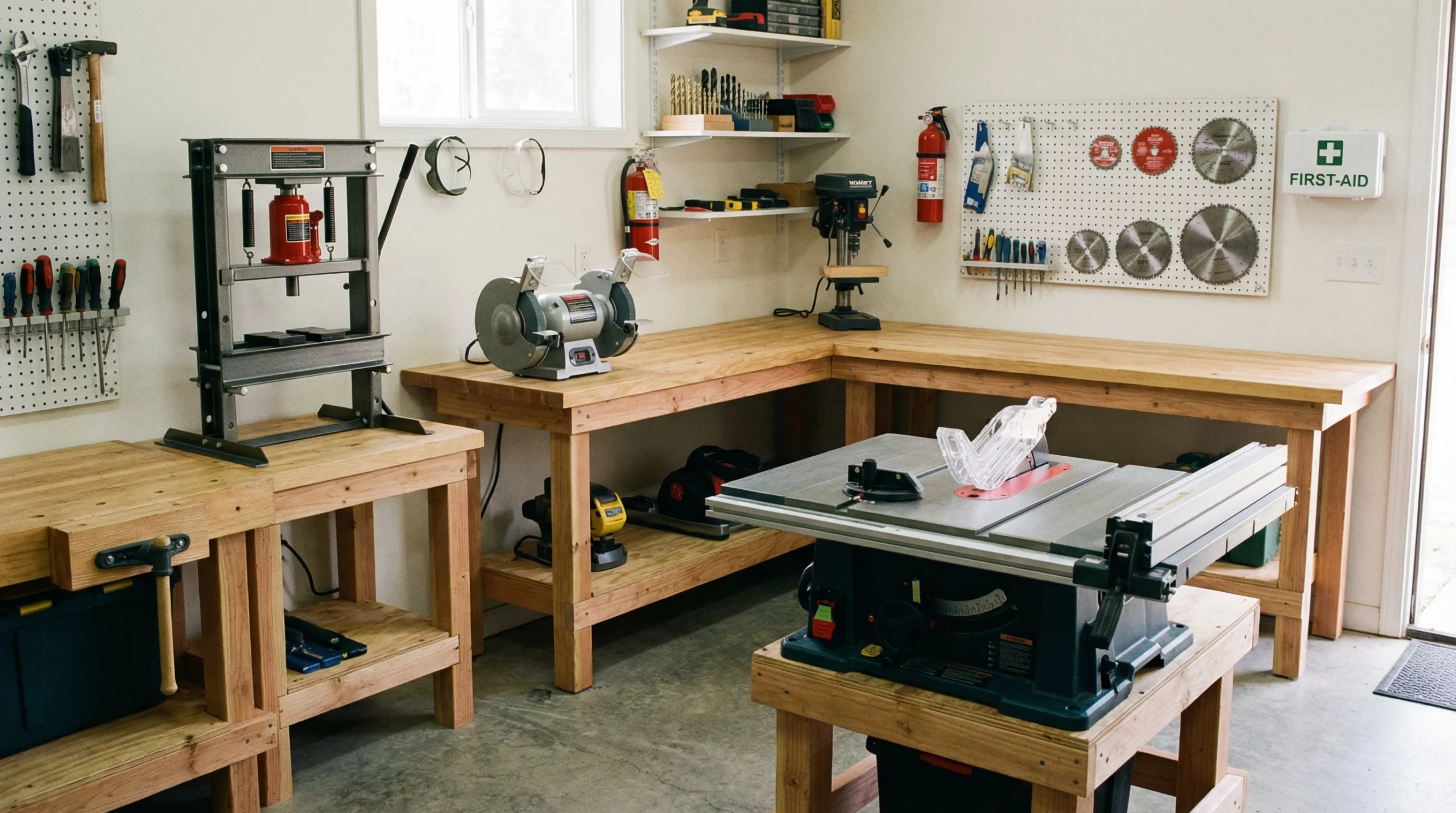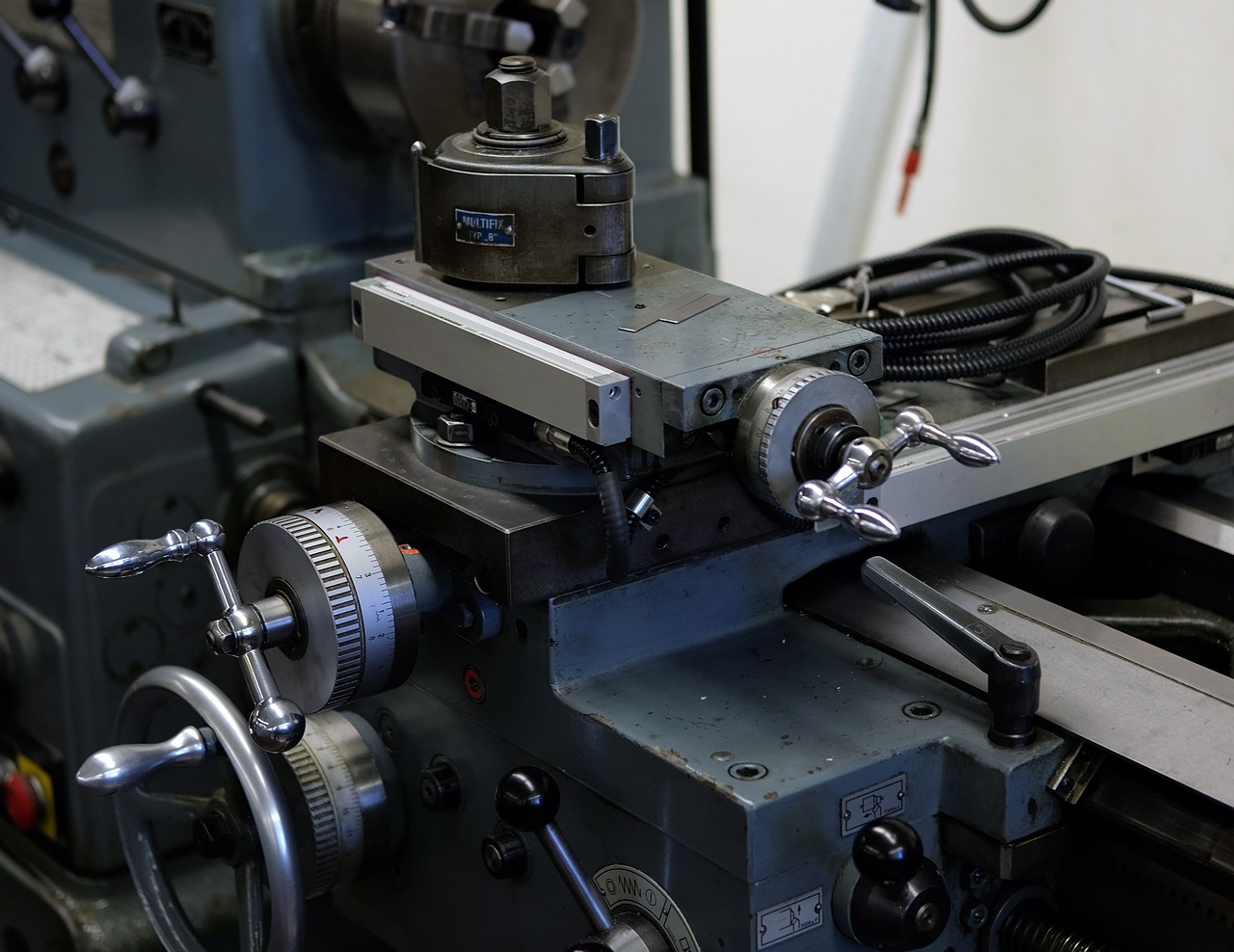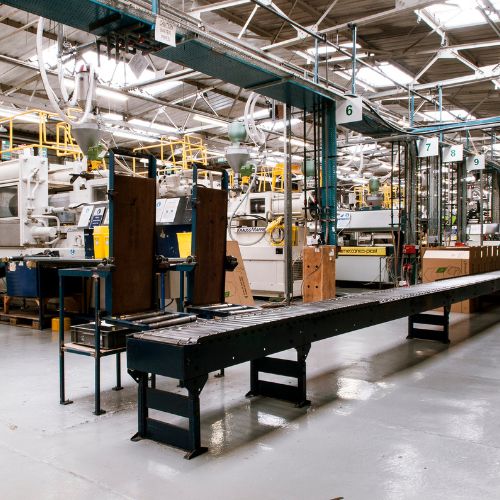
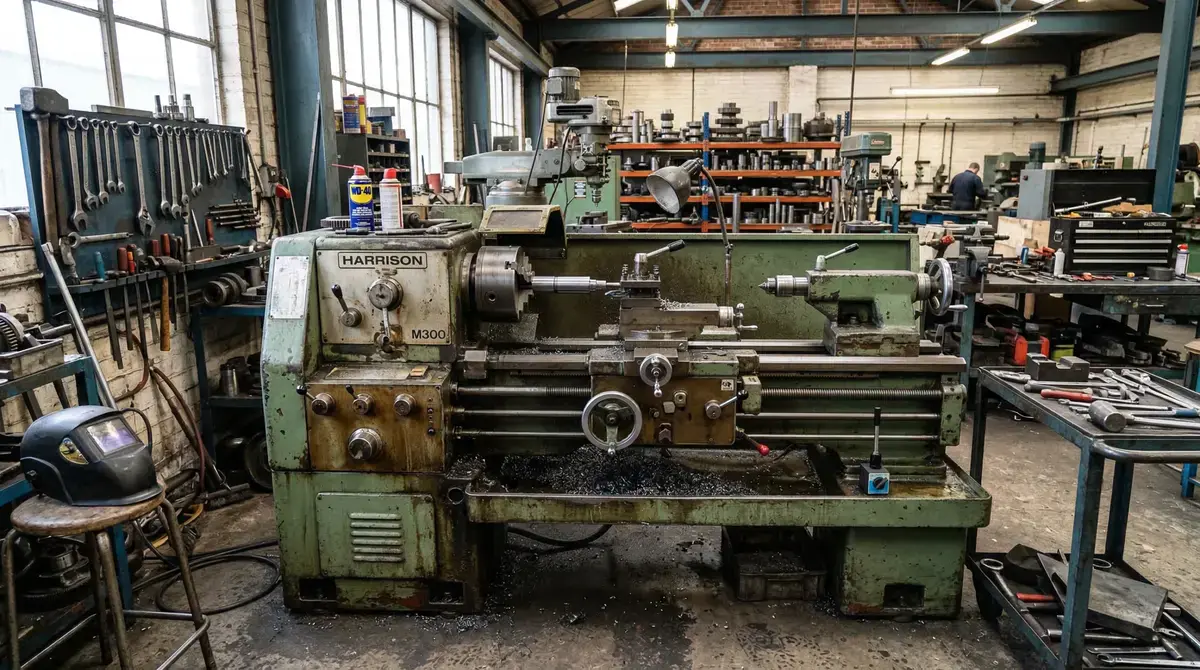
Used machines for small workshops or manufacturing often provide cost-saving benefits and a practical way to get operations running efficiently. For buyers in the USA, Australia, New Zealand, and Europe, understanding what is really important to check before purchasing a used machine is necessary. This guide focuses on experience gained from years of dealing with equipment sales, feedback from users, technical manuals, and insights shared by maintenance teams. The goal is to help shop owners and manufacturing managers avoid unexpected surprises and make sure they are getting real value.
Why Buy Used Machines for Small Workshops or Manufacturing?
Used machines meet the needs of small workshops and manufacturers who want to start production at lower costs. New machines can be expensive, and the depreciation is highest during the first few years.
On the other hand, used equipment often comes at a much-reduced price, allowing smaller operations to access machines that might have otherwise been out of budget.
Many machines, such as lathes, mills, presses, and saws, are engineered for decades of use. If they have been serviced well, their remaining lifespan is often long. The used equipment market in the USA, Australia, and New Zealand also provides a wide range of brands, making it easier to find the right match.
In addition, many workshops now look to the used market because companies upgrading their factories place good machines for sale, which boosts options for quality at lower prices.
Buying a used machine is not just about saving money; it’s also about flexibility.
Some older models are known for simple repairs, ruggedness, and proven reliability, which can be valuable if your team prefers straightforward technology without too many complex features. For small workshop owners, this means less time spent training on new technology and more time getting productive work done.
Key Factors to Check Before Buying Used Machines
A successful purchase starts with a careful check of machine basics and background. Even reliable brands and models can develop wear or suffer from poor handling. Here is a detailed walkthrough of the key steps for evaluating used machines:
- Machine History: Review maintenance records and service logs, if available. Regular servicing usually indicates prior owners took care of the equipment. Ask about previous usage, such as one-shift or multishift operation. In Europe and Australasia, many machines come with well-documented service logs, but that is not always the case in the USA.
- Inspection for Wear: Visual inspection reveals signs of excessive use. Key areas include guides, bearings, belts, and electrical panels. Check for oil leaks, noisy bearings, and visible cracks. Machines that show clean, smooth motion and even wear often last longer in their next operation. Rust or accumulation of debris in hard-to-reach areas is another warning sign. Pay extra attention to the condition of lead screws, gears, and lubrication systems, as their maintenance speaks to the overall condition of the machine.
- Function Testing: Always test the machine under power, if possible. Observe different speeds, loads, and automated cycles. Watch for irregular noises and vibrations. Any faults in moving parts, electronics, or hydraulics are usually more obvious during operation. If you can, ask the seller to run the full cycle of the machine, simulating typical usage conditions. This makes it easier to spot issues that might not show up in idle mode.
- Check for Modifications: Some owners make changes that might impact long-term performance. Inspect control panels, wiring, safety interlocks, and guards for signs of modification. Changes may complicate future repairs or affect the machine’s compliance with local standards in the USA, Australia, or New Zealand. Also, consider whether retrofitted features, like aftermarket controls or additional automation, could make maintenance more complicated or sourcing parts more difficult down the road.
Step-by-Step Checklist: What to Inspect on Used Machines
- Mechanical Condition: Confirm that slides, spindles, bearings, and lead screws are in good shape. Excessive play or backlash can signal high wear. Try moving all axes through their entire travel range. Examine the lubrication points and look for signs they have been used regularly; well-maintained lubrication systems prevent premature failure of components.
- Electrical and Control Systems: Open electrical panels to check for burned wires, outdated components, or unprofessional wiring. Look for the original control diagram and manual inside the enclosure. Consistency in wiring colors and a clean layout make future troubleshooting easier. Make sure all switches operate as intended and that safety relays are present and functional.
- Hydraulics and Pneumatics: For machines with fluid or air power, listen for leaks and hissing sounds. Examine hoses, fittings, and reservoirs for damage or contamination. Inspect hydraulic cylinders for smooth movement and minimal seepage; worn seals can be a warning sign for expensive repairs later.
- Safety Devices: Verify that all emergency stops, safety interlocks, fixed and moving guards, and warning signs are present and functional. Compliance with OSHA (for the USA), Safe Work Australia, or local European safety codes matters. Missing certification stickers or worn safety labelling should be addressed before finalizing a purchase.
- Tooling and Accessories: Confirm what is included with the machine. Items like chucks, vises, tool holders, and spare parts can add real value. Make sure the tooling matches the machine brand and specifications. If the set includes custom fixtures or specialty attachments, check their condition and compatibility as well.
- Manufacturer Support and Parts Availability: Research if original manufacturers or third-party suppliers still provide parts for the model in question. Some older European and American machines remain supported, while others do not. Search online for active user groups or supply outlets to get a sense of what sourcing parts will be like over the next few years. If user forums are helpful and active, that can make sourcing much smoother.
- Software and Controls: If the machine uses CNC (computer numeric control), make sure it starts up without errors and recognizes all axes. Ask about licenses and software keys, which can be expensive to replace, especially for European makes. Newer CNCs may offer compatibility with modern design software, while older controls can require extra setup or conversion.
Common Mistakes When Purchasing Used Workshops Machines
- Ignoring Hidden Costs: Transportation, installation, calibration, and upgrades can cost more than expected. Always ask for a full estimate from the seller or maintenance company. Don’t forget to budget for possible safety upgrades when importing older European or Asian machinery into stricter markets.
- Skimping on Inspection: Relying only on photos or written descriptions misses a lot. On-site visits, or video calls for distant purchases, help avoid disappointment. When a personal inspection isn’t possible, it’s still crucial to ask for recent, high-resolution photos and videos with time stamps showing the machine running through all its functions.
- Overlooking Compliance: Electrical voltage, guarding, and emissions standards vary between the USA, Australia, and Europe. Machines imported from Europe, for example, may not comply with US workplace rules and need conversion. Double-check that local regulations in your country are met, especially if the machine will be used in a production environment with audits or regular inspections.
- Not Checking Spare Parts: Some brands have stopped production or updating spare parts. Even a great deal is no help if common parts cannot be located. A lack of spare parts can turn a good buy into a risky investment, so check parts availability before closing the deal.
Advantages and Disadvantages: Used Equipment vs. New
Both used and new machines have their pros and cons, and each fits different workshop needs.
- Advantages of Used Machines: Lower price, faster availability, and the chance to purchase proven models. Many small shops in New Zealand and Australia operate efficiently for years using quality used American or German machinery. You can often stumble upon unique makes and sturdy builds that are no longer produced by large brands, giving your shop added capability without the high upfront cost.
- Disadvantages of Used Machines: There is some risk of hidden faults, and features found in new machines, such as automation, remote monitoring, or energy savings, may not be present. Warranty coverage may be limited and labor costs for initial setup can be higher if the machine needs extra repairs before it works as intended. Additionally, resale value may be lower if newer technology quickly becomes the new standard.
New machines offer peace of mind, warranties, and more advanced technology, which can help justify their higher investment in certain cases. If the projects you take on demand absolute precision or ultra-modern automation, it could make sense to invest in new technology. Still, for most small workshops, a well-kept used model offers more return for the dollar.
FAQs: Buying Used Machines for Small Workshops or Manufacturing
Question: How do I know if a used machine will fit my workshop’s power supply?
Answer: Always check the voltage and phase requirements listed on the machine plate. Machines from Europe may use three-phase 400V, while US models are often three-phase 208V or 230V. Step-down or step-up transformers may be needed. Some machines also have dual-voltage capabilities, which make installation easier. It’s smart to consult with your electrician or a machinery installation expert before shipping to avoid last-minute surprises.
Question: Is it worth buying from overseas, such as Europe, for workshops in the USA or Australia?
Answer: Imports can offer good deals, especially on German or Italian machines. Calculate import duties, freight, electrical conversions, and compliance with local codes to avoid surprises. Be sure to clarify terms with freight forwarders and customs brokers so you’re not caught off guard by extra paperwork or unexpected fees. In the current global market, tracking down rare or highly specialized models from overseas sellers can bring big rewards—but only if you know the full process before ordering.
Question: How do I find out about a machine’s maintenance history?
Answer: Ask the seller for service records, parts receipts, and operator manuals. Check for stickers or tags from maintenance companies or inspections showing work done and dates. When maintenance logs are missing, you can usually get a sense of upkeep by inspecting surfaces for wear, checking the dust and oil inside the panels, and reviewing how well safety devices and sensors have been maintained.
Tips for Getting the Best Value from Used Workshop Equipment
- Buy from reputable dealers or auctions with good feedback.
- Request recent photos and, if possible, video footage of the machine running.
- Get a written quote listing everything included with the sale tooling, manuals, spare parts, and freight.
- Compare prices for similar machines in the USA, Australia, and Europe to ensure you are paying market value.
- Budget for setup, calibration, and possible small repairs after delivery.
- Contact user forums or industry groups for advice on specific models. Firsthand user comments highlight common faults and useful upgrades.
- If possible, arrange for a third-party inspection from a local machinery technician, especially for larger purchases. An expert can spot problems that even experienced buyers might miss, giving you extra confidence in your investment.
Taking time to check every detail of a used machine pays off with reliable service and a better return on investment. A careful approach saves money upfront and keeps your workshop productive over the long run.
Next Recommended Article :
Essential Power Tools for Steel & Metal Work : A Complete Workshop Guide
Further Reading and Resources
- Modern Machine Shop (mmsonline.com)
- SME – Buying Used Equipment Article
Other helpful resources include original manufacturer manuals, technical sales reps, or reaching out to professional associations in the USA, Australia, and New Zealand for updated safety advice. You can also jump into local mechanical engineering meetups or online groups to get hands-on advice, recent reviews, and even leads on available used machines in your area.
How to Set Up a Small Manufacturing Workshop (Basic Layout + Workflow)
Editorial Disclaimer
This content is for educational purposes only. Always follow manufacturer guidance and safety procedures.