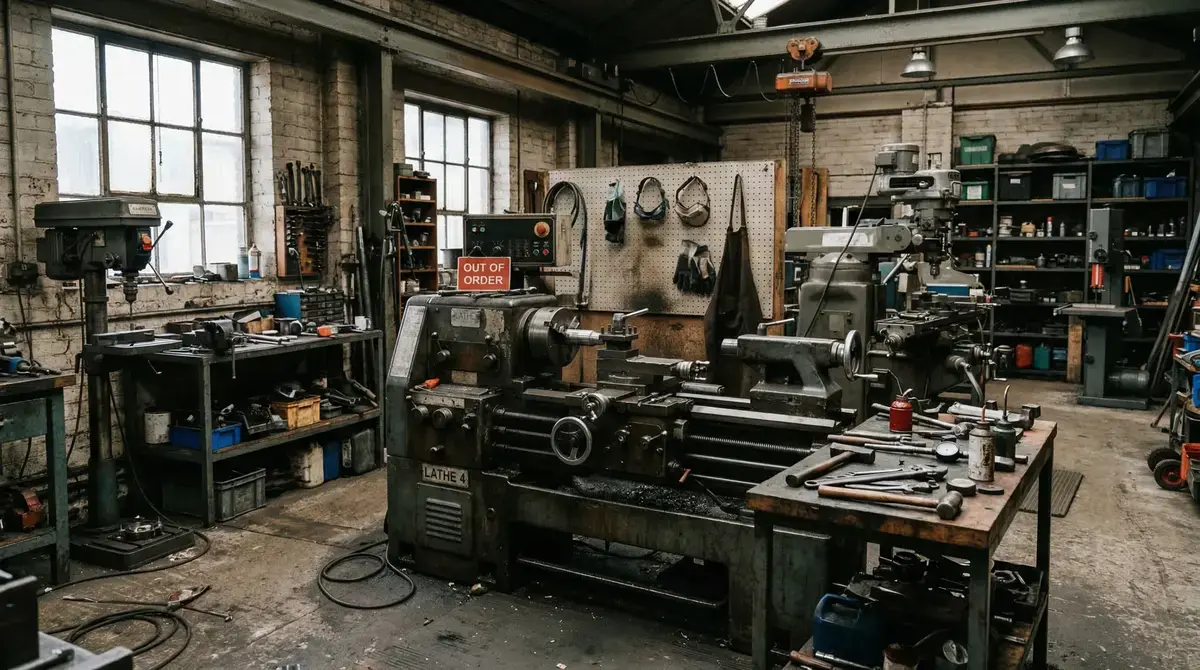
Machine downtime can have a serious impact on small workshops. Even a brief halt can lead to much bigger problems than just lost production time. Costs come from several directions, including idle labor, delayed orders, equipment repair, and missed sales opportunities. This guide gets into how machine downtime cost affects small workshops, what factors go into these costs, and practical steps owners can take to measure and reduce these expenses.
Understanding Machine Downtime Cost in Small Workshops
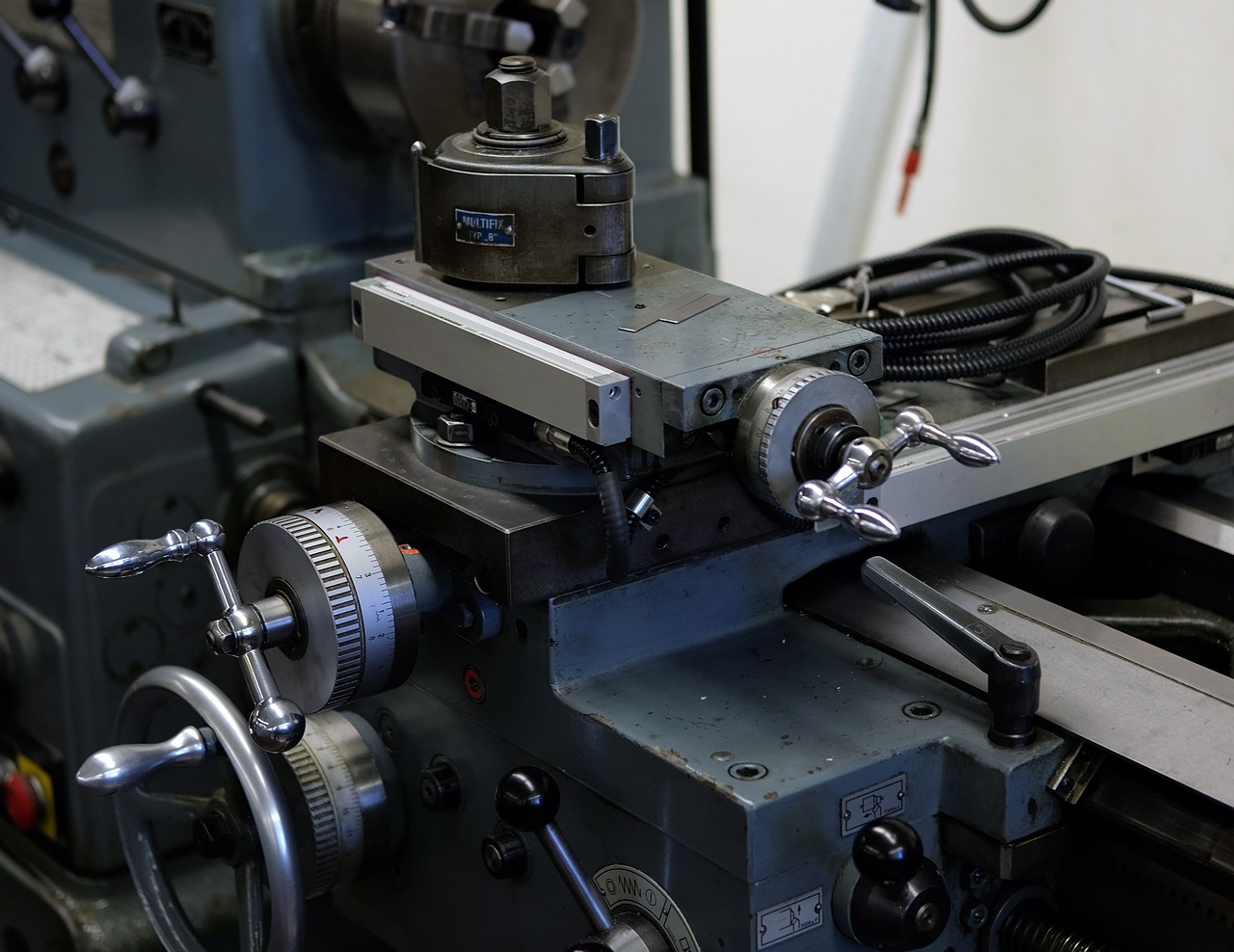
Machine downtime means any period when equipment is not operating as expected. In small workshops, this can mean anything from a lathe being out of order to a CNC machine waiting on parts. Downtime adds up for several reasons, including unplanned breakdowns, scheduled maintenance, or even waiting on materials.
The true cost of downtime often stretches beyond the obvious. When a machine stops, workers still need to be paid, deliveries get delayed, and customers can lose confidence. For workshops working on tight margins, these effects can be felt right away.
Manufacturing across regions like the USA, Australia, New Zealand, and Europe see similar patterns. However, labor costs, supply chain speed, and customer expectations vary, shaping the real impact of downtime in each country. In fast-paced sectors or custom-order shops, even a few hours of delay can mean losing important customers for good. Recognizing all the ways downtime affects your business is a first step to finding solutions. Focusing on all contributing factors is critical for long-term improvement.
Digging Into the Hidden Costs: Idle Labor, Repairs, and Lost Sales
There’s more to downtime cost than just a stopped machine. Many small workshop owners only count direct repair expenses, but other factors really pile up.
- Idle Labor: Workers often spend time waiting for machines to be repaired, which means you are paying wages without getting any output. If workers can’t be moved to other jobs, this is basically lost money.
- Repair and Spare Parts: Emergency repairs tend to cost more than scheduled maintenance. Urgent spare part orders may include rush shipping fees, and technical labor comes at a premium.
- Lost Production Time: While production stops, your workshop falls behind schedule, which can lead to overtime costs later or missed deadlines.
- Lost Sales and Damaged Reputation: When orders are late, customers can choose another supplier. Missed deliveries sometimes lead to penalties or lost contracts. Over time, a reputation for unreliability can drive away regular clients.
Understanding these hidden and extended costs helps workshops get a more accurate picture of how expensive every downtime incident can be. Lost business and added stress on employees also factor into overall expenses, making downtime more costly than it first appears.
Calculating Machine Downtime Cost: A Simple Breakdown
Calculating the total cost of machine downtime takes a bit of math but brings real insight. Here’s a basic formula that works for most small workshops:
- Downtime Cost per Hour = (Lost Production Value + Labor Cost + Repair Cost + Other Overheads)
Lost Production Value is the amount of revenue you miss out on because your machine isn’t running. This might be measured as the average income per hour from that machine.
Labor Cost covers wages paid to staff who can’t do their usual work during the machine outage.
Repair Cost includes parts, technical labor, and possibly extra fees for urgent fixes.
Other Overheads bundle in things like penalty payments, expedited shipping, energy waste, or rework on delayed projects. Additional expenses might include temporary rental of substitute equipment or extra quality checks for rushed jobs.
By adding these up for each hour of downtime, you can start to see why addressing machine problems quickly is really important. Even a conservative estimate often surprises owners who traditionally think only about direct repair expenses. Taking all these costs into account better reflects the real impact of downtime and helps create a clear action plan for improvement.
Main Causes of Machine Downtime in Small Workshops
Not all machine downtime happens for the same reasons. Recognizing the main triggers makes preventative action possible. The most common causes include:
- Equipment Failure: Breakdowns due to poor maintenance or part fatigue are a top cause. Older machines are especially prone to this.
- Lack of Parts or Materials: Waiting on suppliers to deliver components, especially if there’s no backup inventory, can cause delays.
- Operator Error: Incomplete training or procedural mistakes sometimes lead to errors that halt production. Fostering a culture of safety and attention to detail reduces these incidents.
- Scheduled Maintenance: Well-managed shops schedule maintenance, but even planned downtime needs to be factored into overall costs. Sometimes, these planned stops can reveal other hidden problems that add to costs.
- External Factors: Power outages, sudden spikes in demand, or supply chain issues outside your control can hit at any time. Having a backup plan or extra flexibility can help cushion these impacts.
Knowing your shop’s most common culprits lets you set up targeted checks and action plans. Regularly reviewing past incidents can spot problem patterns before they cause a crisis.
Effective Ways to Reduce Machine Downtime Cost
No small workshop can avoid downtime completely, but reducing both its frequency and cost saves resources and keeps customers happy. Several hands-on strategies have proven to help:
- Preventive Maintenance: Scheduling regular inspections and straightforward maintenance tasks helps catch issues before they halt a machine. Following machine manuals for recommended service intervals is a simple but effective habit, and software reminders can help managers stay on track.
- Cross Training Staff: Training workers to operate more than one type of equipment means staff can stay productive even if one machine stops. Multi-skilled crews also help with flexibility during busy times.
- Keeping Spare Parts in Stock: For older machines or those critical to production, keeping a small supply of commonly replaced parts can shave days off repairs. Regularly reviewing which parts cause the longest delays allows you to adjust your inventory as needed.
- Documenting Common Breakdowns: Tracking the most frequent problems helps managers focus efforts on fixing root causes instead of just symptoms. Saving repair notes and building a maintenance log can uncover trends that would otherwise go unnoticed.
- Working with Trusted Suppliers: Building good relationships with suppliers can make a real difference in emergency part delivery or technical support response times. Reliable partners also provide expert advice about upgrades, maintenance, and preventive measures.
- Investing in Upgraded Equipment: While smaller workshops sometimes delay new purchases, updating to newer or more reliable technology can pay off by reducing unplanned stoppages overall. Even small investments, like modernizing control panels or automating lubrication, can cut downtime significantly.
Even implementing just a few of these steps can lower downtime costs noticeably, giving small workshops more control over their workflow and cash flow. Consistent improvement is often more important than any single change. Listening to staff feedback about trouble spots and acting on their input strengthens your preventive approach.
Practical Example: Calculating Downtime Cost for a Small Workshop
Consider a small workshop in Melbourne, Australia, with a CNC machine valued for producing high-margin custom parts. If this machine breaks down for four hours, and the shop loses $300 of product output per hour, pays $25 per hour in labor across three employees unable to work, and the urgent repair costs $400:
- Lost Production: 4 hours x $300 = $1,200
- Idle Labor: 3 workers x 4 hours x $25 = $300
- Emergency Repair: $400
- Total Downtime Cost: $1,200 + $300 + $400 = $1,900
This cost does not include any penalties for late delivery or potential loss of future orders if the customer decides to switch suppliers. The real cost may be even higher. Comprehensive tracking of all related charges builds a clear picture of downtime impact.
A Step-by-Step Guide to Fixing Delays and Saving Margins
In the industrial sectors of the USA, Australia, and New Zealand, the difference between a profitable year and a loss often comes down to operational reliability. While many workshops focus solely on increasing sales, the most direct way to protect a bottom line is to fix machine downtime. Reducing delays ensures that labor remains productive and customer commitments are met without the need for expensive “catch-up” shifts. This guide outlines the technical and procurement-based steps necessary to eliminate equipment bottlenecks and stabilize manufacturing margins.
Step 1: Establishing the Baseline with MTBF and MTTR
To effectively fix machine downtime, a workshop must move beyond anecdotal evidence and utilize industry-standard metrics. Two primary formulas are used by technical experts to diagnose where the production line is failing.
Formula 1: Mean Time Between Failures (MTBF)
This measures the reliability of the equipment. A low MTBF indicates that the machine requires a more rigorous preventative maintenance schedule.
MTBF = Total Operating Time / Number of Failures
Formula 2: Mean Time To Repair (MTTR)
This measures the efficiency of the response. If the MTTR is high, the delay is likely caused by a lack of spare parts, poor tool organization, or a lack of technical documentation.
MTTR = Total Maintenance Time / Number of Repairs
Step 2: Implementing the “Critical Spares” Procurement Protocol
Delays are rarely caused by the mechanical failure itself; they are caused by the time spent waiting for a solution. Procurement professionals in high-output environments use a “criticality matrix” to ensure parts are on hand before they are needed.
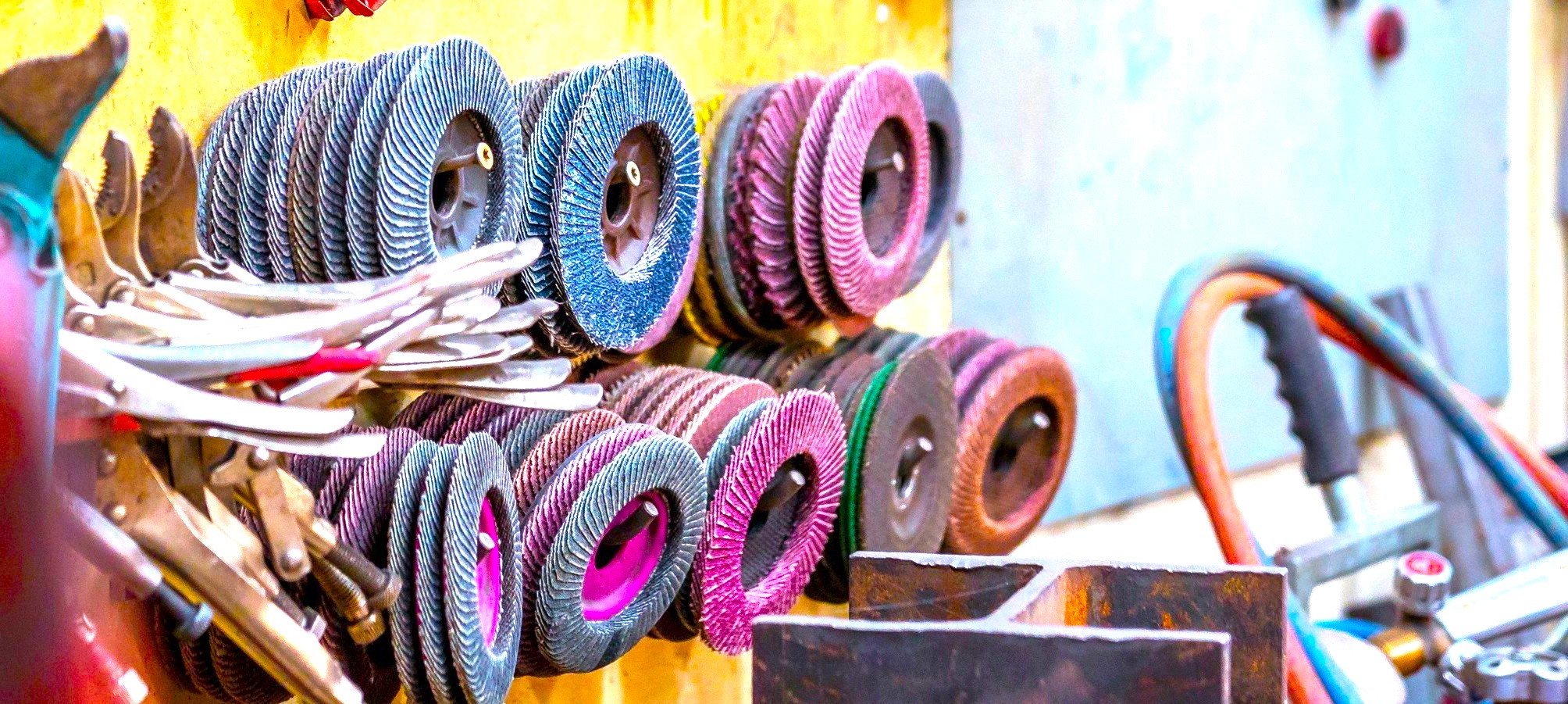
- Inventory Audit: Identify components with a high wear rate—such as drive belts, sensors, or specialized cutting tools like carbide burrs.
- The 24-Hour Rule: If a part cannot be sourced and delivered within 24 hours from local suppliers in your region (whether in Auckland, Sydney, or Chicago), it must be stocked on-site.
- Vendor Redundancy: Avoid “single-source” dependencies. Establish accounts with secondary suppliers in Europe or North America to ensure that a localized supply chain disruption does not halt your production.
Step 3: Standardizing the Maintenance Response (SOPs)
Variable response times are a major drain on margins. To fix machine downtime effectively, every operator should be equipped with a Standard Operating Procedure (SOP) for basic troubleshooting.
- Tier 1 Fixes: Minor resets and cleaning that the operator can perform immediately.
- Tier 2 Fixes: Component replacements that require a lead technician.
- Tier 3 Fixes: Major mechanical overhauls requiring external technical sales support or OEM intervention.
By empowering operators to handle Tier 1 issues, the workshop avoids the delay of waiting for a supervisor to clear a simple sensor fault.
Step 4: Applying the “5S” System to Reduce Repair Time
A cluttered workshop is a slow workshop. When a machine fails, minutes are often lost searching for the correct wrench, the manual, or the spare part. Implementing the 5S methodology is a zero-cost way to fix machine downtime by optimizing the environment:
- Sort: Remove unnecessary tools from the machine area.
- Set in Order: Create “shadow boards” so the exact tool for a machine adjustment is always in the same place.
- Shine: Clean machines daily. This makes it easier to spot the early warning signs of failure, such as metal shavings or hydraulic leaks.
- Standardize: Ensure every machine station follows the same setup.
- Sustain: Perform weekly audits to ensure the system is being followed.
Step 5: Protecting Margins Through Predictive Scheduling
The most effective way to fix machine downtime is to ensure it happens on your terms, not the machine’s. Predictive maintenance uses the manufacturer’s technical manual to schedule service during “off-peak” hours.
The Maintenance Buffer Formula
To ensure your pricing covers these necessary “fixes,” use the following calculation to build a maintenance buffer into your hourly rate:
Maintenance Buffer = (Annual Estimated Maintenance Cost + Annual Expected Downtime Loss) / Total Annual Billable Hours
Adding this small “insurance” amount to your shop rate ensures that the capital required for repairs is always available, preventing a cash-flow crisis when a major component needs replacement.
Summary of Actionable Fixes
| Step | Action | Focus Area |
| 1 | Track MTBF and MTTR | Identifying the Root Cause |
| 2 | Stock “24-Hour” Spares | Procurement Efficiency |
| 3 | Create Troubleshooting SOPs | Operator Empowerment |
| 4 | Organize via 5S | Reducing Physical Delays |
| 5 | Apply Maintenance Buffers | Financial Margin Protection |
The Value of Technical Partnerships
Experience suggests that the most successful small manufacturers treat their tool and machinery suppliers as partners rather than just vendors. Reaching out to technical sales representatives for a “line audit” can often reveal inefficiencies you may have overlooked. These experts often provide updated manuals and standard industry practices that can reduce your setup times and increase tool life, providing a double-win for your margins.
Industry Tips: Prevention and Recovery from Downtime
Workshops with strong maintenance routines, clear repair documentation, and trained operators often see the lowest overall downtime costs. Keeping monthly downtime records builds a clear picture over the year, helping inform better decisions on machine upgrades or staff scheduling. Partnering with local technical specialists or manufacturer service reps means support arrives faster, shortening repair wait times.
Cloud based maintenance tracking software is becoming more popular in the USA and Europe, making it easier for even small shops to spot trends and triggers for machine downtime. Automation can also help track equipment hours so that maintenance happens before breakdowns. Adopting digital tools provides small shops a competitive edge by making maintenance and repairs smoother and reducing unplanned disruptions.
Frequently Asked Questions
How much does downtime really cost a small workshop?
Downtime can cost hundreds or even thousands of dollars per incident, depending on how many workers and machines are affected, the value of lost production, and the speed of repairs.
What causes most small workshop machine breakdowns?
Most downtime comes from lack of routine maintenance, wornout parts, or operator mistakes. Delays in getting replacement parts are also a regular problem.
Can small workshops realistically reduce machine downtime?
Yes. Simple steps, like scheduling regular inspections, training staff, and working closely with part suppliers, can lead to real improvements. Even modest investments here pay off by cutting hidden extra costs.
References for Further Reading
- “The True Cost of Downtime” – Reliable Plant Magazine
- “Reducing the Cost of Unplanned Downtime” (US Manufacturing Extension Partnership)
- “Maintenance and Downtime Costs in British Manufacturing”
Additional Resource: New software tools for workshop maintenance tracking can simplify scheduling and improve breakdown prevention. Many owners find that a small investment in these systems helps catch problems early and keeps record keeping up to date for audits or insurance. Choosing the right system can give your small business a measurable edge in reducing costs and building stronger customer trust.
RPM vs Cutting Speed in Power Tools: Why It Matters More Than You Think
Editorial Disclaimer
This article is for educational purposes only, and readers should always refer to the manufacturer’s official specifications and safety guidelines for exact application requirements.