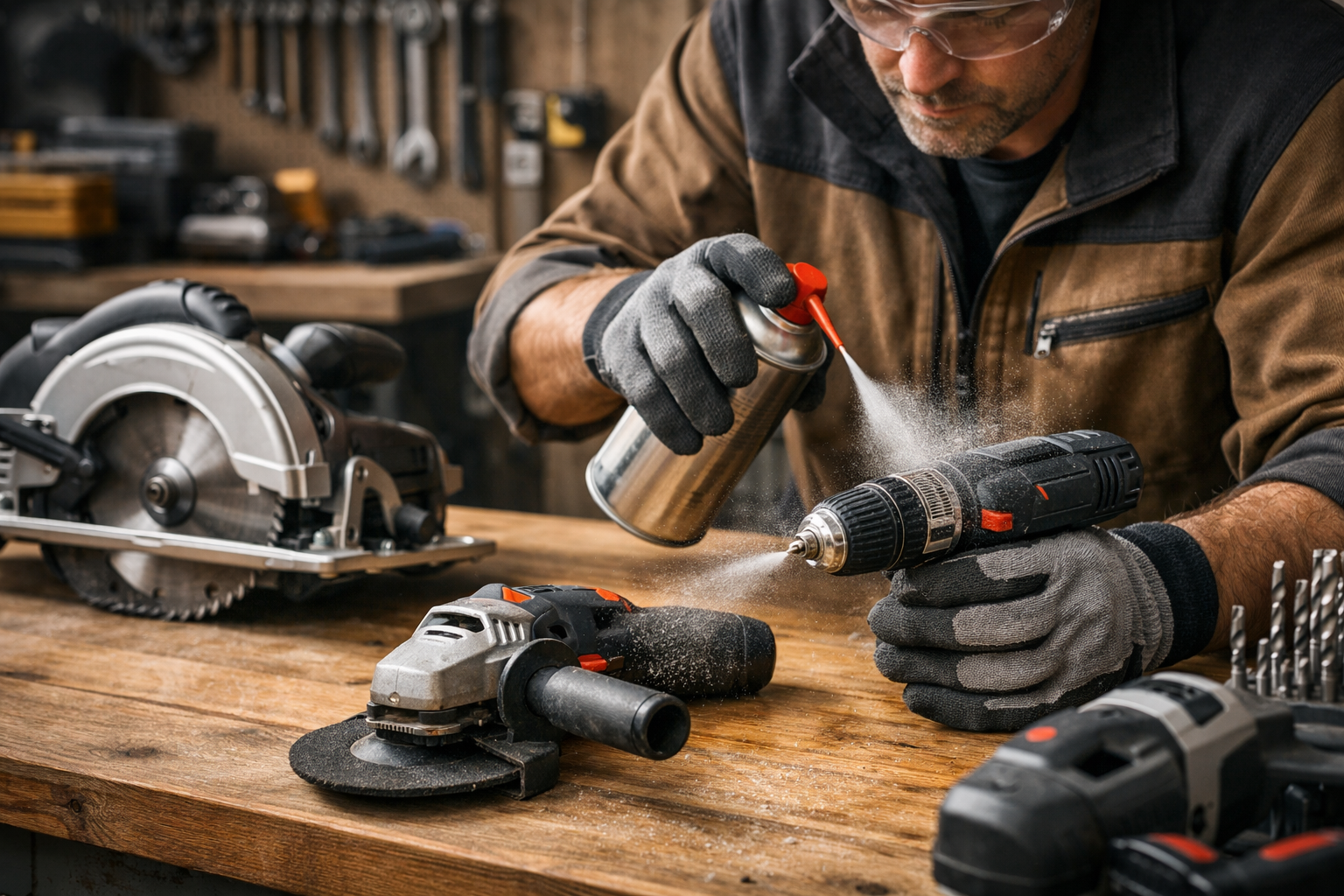
Construction tools operate in harsh environments where dust, vibration, moisture, and heavy loading are routine. In my experience and from discussions with service technicians and equipment suppliers, most premature tool failures come from simple maintenance being ignored rather than manufacturing defects. At least basic maintenance for construction tools is must and crucial. Cleaning should be performed daily whenever possible. Dust buildup blocks cooling vents, increases internal temperature, and accelerates wear on bearings and electronics. Wiping tools after use and using compressed air carefully to clear vents helps maintain airflow and prevents overheating. Cutting accessories should be inspected for damage or clogging before storage.
Visual inspection prevents unexpected downtime.
Power cords, plugs, battery terminals, and housings should be checked regularly for cracks, looseness, or contamination. Early detection of wear avoids electrical faults and mechanical failures that can escalate into costly repairs.
Battery care plays a major role in cordless tool reliability.
Batteries should be stored in moderate temperatures, kept clean, and rotated evenly to avoid deep discharge cycles. Charging stations should remain ventilated and protected from moisture and debris. Following manufacturer charging guidance improves battery lifespan and consistent output.
Lubrication and mechanical care vary by tool type.
Some tools require periodic gearbox inspection or accessory lubrication, while sealed units rely on internal lifetime grease. Operators should avoid overloading tools, which forces heat into bearings and seals and shortens service life.
Proper storage protects investment.
Tools should be stored dry, organized, and protected from impact damage. Leaving tools exposed to weather or piled loosely accelerates corrosion and misalignment. Simple storage discipline reduces replacement costs and improves readiness for daily use. Consistent maintenance habits extend tool life, improve reliability, and reduce unexpected downtime without significant time investment.
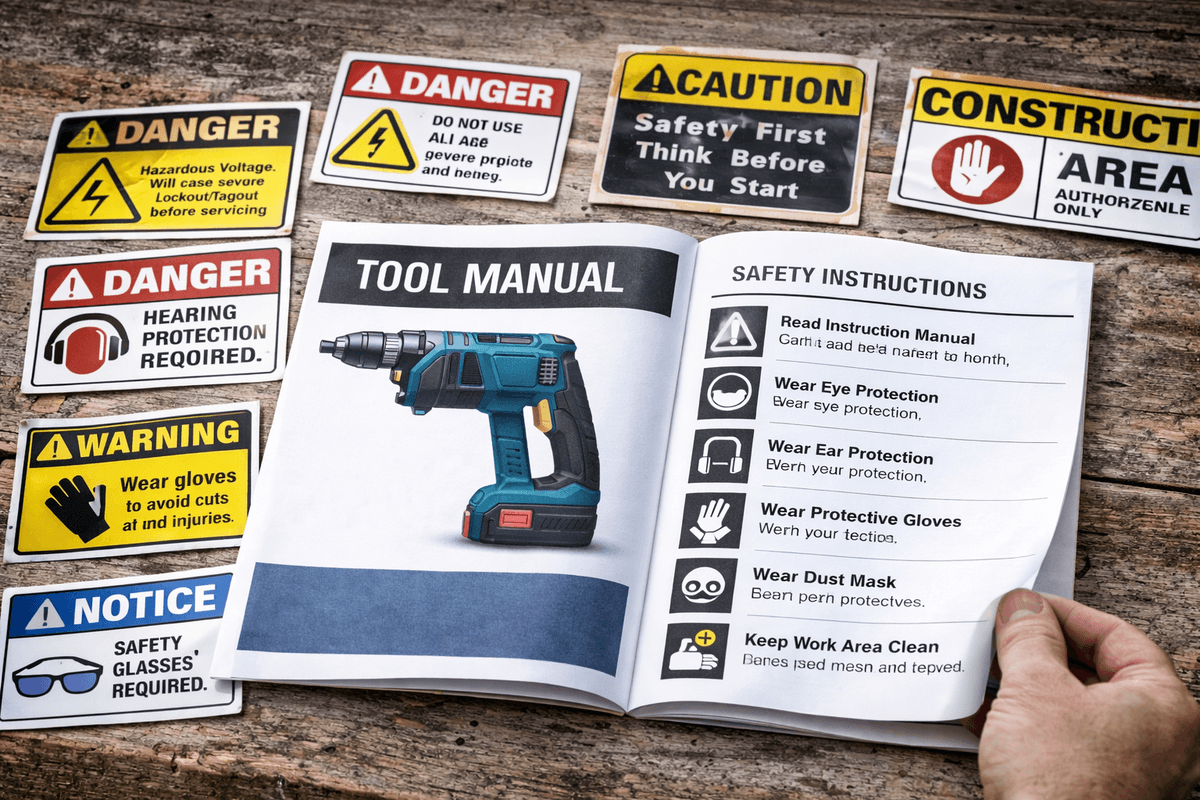
According to the ANSI/ASSE A10.34 standard for construction tool maintenance and inspection, systematic checks of power cords, accessories, and moving parts are required to ensure ongoing safe performance and reduce risk of tool-related incidents.
In my experience and in line with OSHA’s power tool safety guidance, regular inspection and cleaning of tools including cords, switches, and accessory condition is critical to preventing failures and maintaining safe operation.
The Professional’s Guide to Construction Tool Maintenance: Maximizing Jobsite ROI
In the high-pressure environment of a construction site, tools are often viewed as disposable assets. However, in my experience, a crew’s profitability is quietly bled away by “minor” tool failures that cause major work stoppages. True maintenance is not just about wiping down a shovel at the end of the day; it is a systematic approach to asset preservation. By implementing the following protocols, I have seen equipment lifespans triple, directly impacting the bottom line.
-
The “Airflow First” Rule for Power Tools
Most modern power tools from angle grinders to demolition hammers die from the inside out. They are engineered with high-RPM motors that require constant cooling. When dust and grit clog the intake vents, the motor’s internal temperature skyrockets, melting the lacquer on the copper windings.
I have made it a mandatory practice to use a “clean-out” blast of compressed air at the end of every shift. In my shop, we don’t just blow off the surface; we aim specifically for the brush housings and cooling fans. This simple thirty-second habit prevents the “thermal creep” that eventually leads to a dead tool on a Monday morning.
-
Strategic Lubrication: Understanding “Grit Attraction”
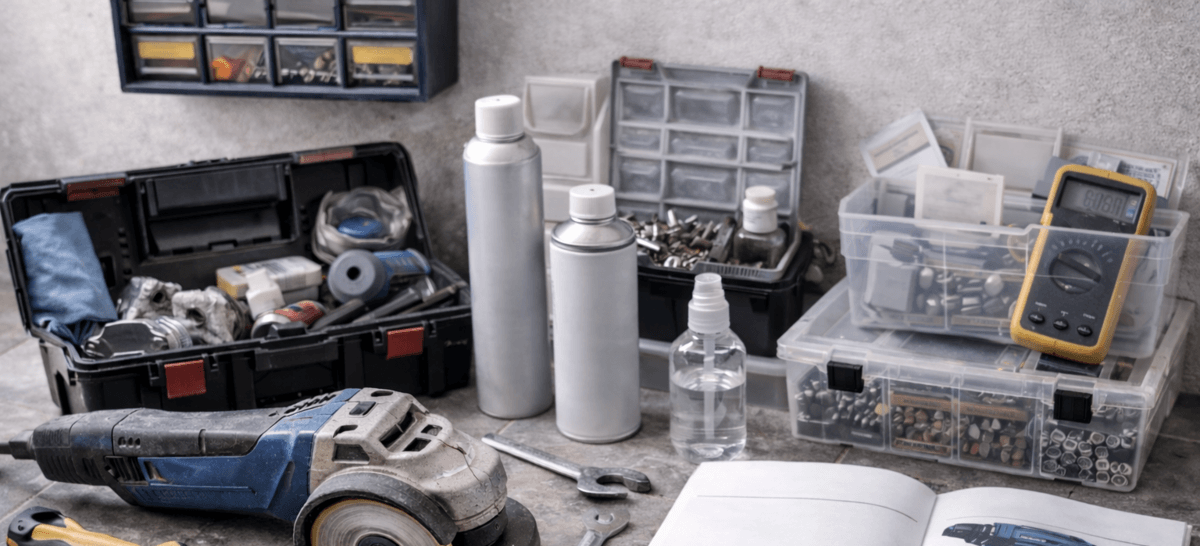
One of the most common mistakes I see on-site is the “spray everything” approach with generic WD-40. While it prevents rust, it is a “wet” lubricant that acts like a magnet for masonry dust and sawdust. This creates a grinding paste that actually accelerates wear on gears and chucks.
For professional-grade maintenance, I suggest a tiered approach:
- Dry Lubricants (PTFE/Graphite): Use these on exposed sliding rails and miter saw fences. They provide slickness without the sticky residue.
- High-Pressure Grease: Reserved for internal gearboxes. In my experience, checking the grease port on a rotary hammer every 50 hours of use is the difference between a five-year tool and a six-month tool.
-
Harmonic Vibration and Fastener Fatigue
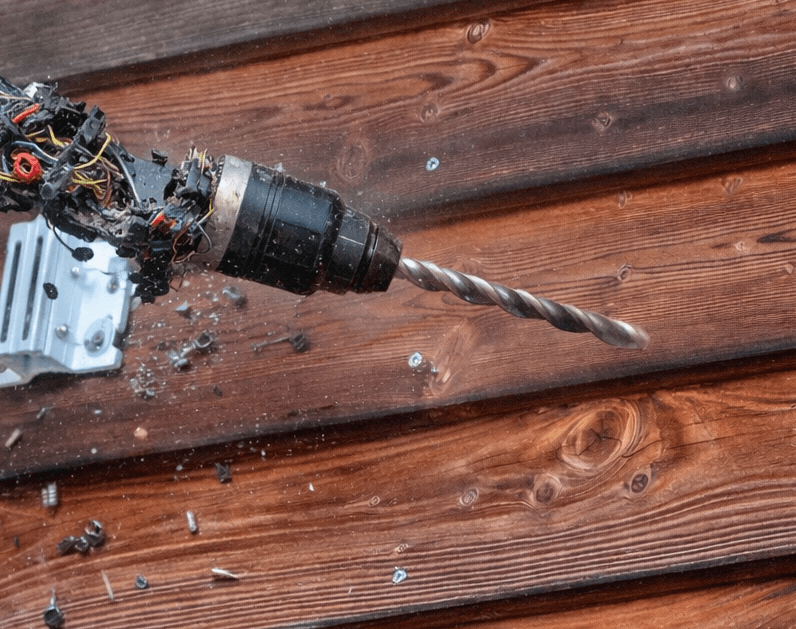
Construction tools are subjected to constant, high-frequency vibration. Over time, this leads to “fastener migration” screws and bolts slowly backing out of the tool housing. I’ve witnessed several expensive table saws and drills fail simply because a secondary casing screw fell into the internal gears.
I recommend a “Tactile Audit” once a week. Physically checking the tightness of handle screws, blade guards, and base plates takes minutes but prevents catastrophic mechanical failure. If a screw is consistently loose, a small drop of blue (removable) thread-locker is a professional fix I highly recommend.
-
Battery Stewardship in Extreme Climates
With the industry shift toward cordless platforms, the battery is now often the most expensive part of the tool. I’ve noticed that most crews leave their chargers in the sun or their batteries in a freezing trailer overnight. Lithium-ion chemistry is highly sensitive to “Thermal Shock.”
To preserve capacity, I maintain a “Climate-Controlled Charging Station.” Batteries should never be charged if they are physically hot to the touch. Furthermore, I advise against “deep cycling” batteries to zero. Pulling a battery when it hits 15% and swapping it for a fresh one prevents the internal cell stress that leads to “lazy” batteries that won’t hold a charge.
-
Consumable Calibration
A blunt bit or a glazed blade is a safety hazard. It forces the operator to apply manual “lean-in” pressure, which is how slips and accidents occur. In my workflow, I treat consumables as part of the tool’s mechanical system. If a diamond blade is “glazing” (becoming smooth), I run it through a dressing stone or a cinder block to expose fresh diamonds. This reduces the load on the motor and ensures the tool stays in its optimal torque range.
Frequently Asked Questions: Construction Tool Maintenance
-
What is the most common cause of power tool failure?
In my experience, overheating due to dust accumulation is the primary killer of power tools. Construction environments are filled with fine particulates that clog the motor’s cooling vents. When airflow is restricted, the internal temperature rises until the motor windings melt. I recommend using compressed air to clear these vents at the end of every work shift to prevent “thermal creep.”
-
Is WD-40 a suitable lubricant for all construction tools?
Actually, I advise against using standard WD-40 as a long-term lubricant. While it is excellent for displacing water and preventing rust, it is a “wet” oil that attracts dust and grit. In a construction setting, this creates an abrasive paste that can grind down gears. For sliding parts and fences, I find that a dry PTFE or silicone spray is a much better choice because it provides lubrication without the sticky residue.
-
How often should I calibrate my measurement tools?
For high-precision jobs, I recommend a “Monday Morning Check.” Transit and vibration from being stored in a van can easily knock lasers, levels, and squares out of alignment. By verifying your measuring tools against a known “master” standard once a week, you avoid the massive costs associated with rework caused by inaccurate measurements.
-
Can I store my lithium-ion batteries in a tool trailer overnight?
I strongly suggest avoiding this if temperatures drop near freezing or rise above 90°F (32°C). Lithium-ion batteries suffer from “Thermal Shock,” which permanently degrades the cells’ ability to hold a charge. In my own operation, I maintain a climate-controlled “battery box” to ensure my cordless tools retain their maximum runtime and power.
-
How do I know when a saw blade needs to be replaced rather than cleaned?
I look for three specific signs: burning, binding, or chipping. If a blade is “burning” through wood (leaving black marks) despite being clean, the carbide tips have likely lost their temper. Additionally, if you notice the tool requires more “push force” than usual, it is a sign that the blade is dull. Working with dull blades is a major safety risk as it increases the chance of a dangerous kickback.
Global Technical Standards for Tool Integrity
For a workshop to be considered an “Authority,” it must align with recognized safety and maintenance benchmarks:
- ISO 15649: Standards for the management of petroleum and natural gas industries (specifically for specialized hand-tool reliability).
- IEC 62841: International standard for the safety of electric motor-operated hand-held tools.
- OSHA 1926.302: Safety requirements for powder-actuated and pneumatic power tools.
- ANSI B7.1: Safety requirements for the use, care, and protection of abrasive wheels.
Next Recommended Article
- Extend the Life of Your Tools: Proven Maintenance Tips for Drills, Saws & Grinders
- Construction Basics Hub
Editorial Disclaimer
All information provided here is strictly educational; for precise specifications, safe operation, and correct application, consult the manufacturer’s approved documentation.