Understanding Common Construction Materials and How to Work With Them is fundamental to delivering safe, durable, and compliant projects. Whether operating in Australia, the United States, New Zealand, or across Europe, construction professionals must balance performance, safety, environmental responsibility, and regulatory compliance.
12 Essential Insights for Safer, Smarter Building : Common Construction Materials and How to Work With Them:
Each region maintains strict building codes and standards. In Australia, the National Construction Code (NCC) governs building performance requirements. In the United States, the International Building Code (IBC) and OSHA safety standards apply. New Zealand enforces the Building Code under the Building Act, while Europe aligns construction practices with Eurocodes and EU directives.
This article provides a comprehensive, practical guide to common construction materials and how to work with them effectively, focusing on compliance, safety, and performance in major Western markets.
Concrete: The Backbone of Modern Construction

Concrete remains one of the most widely used construction materials worldwide.
Composition and Properties
Concrete consists of:
- Cement
- Aggregates (sand and gravel)
- Water
- Optional admixtures
Its strength, durability, and fire resistance make it ideal for foundations, slabs, bridges, and structural frames.
Best Practices When Working With Concrete
- Verify mix design compliance with local standards.
- Ensure proper formwork alignment.
- Place and vibrate concrete to eliminate voids.
- Cure properly to prevent cracking.
Regional Considerations
- In Australia and New Zealand, sulfate-resistant cement may be required in coastal areas.
- In colder regions of the U.S. and Europe, frost protection and cold-weather curing procedures are critical.
Proper curing is often underestimated but directly impacts long-term structural integrity.
Steel: Strength and Structural Reliability

Types of Structural Steel
- Structural beams and columns
- Reinforcement bars (rebar)
- Hollow structural sections
- Stainless steel for corrosion resistance
Working Safely With Steel
- Confirm certification and traceability of materials.
- Follow welding and bolting standards.
- Implement fall protection during erection.
- Conduct non-destructive testing where required.
Corrosion Protection
- Galvanizing
- Protective coatings
- Weathering steel options
In coastal Australia and parts of Europe, corrosion mitigation is essential due to salt exposure.
Timber: Sustainable and Versatile

Timber is widely used in residential and light commercial construction.
Types of Timber
- Hardwood
- Softwood
- Engineered wood (LVL, glulam, CLT)
Moisture Control
Timber must be stored off the ground and protected from rain. Excess moisture leads to warping and structural weakness.
Compliance and Treatment
- Termite treatment is essential in Australia.
- Fire rating compliance is critical in Europe and New Zealand.
- U.S. building codes regulate treated lumber for exterior use.
Sustainably sourced timber, certified by responsible forestry programs, is increasingly required in public projects.
Masonry: Brick, Block, and Stone

Masonry offers durability, fire resistance, and thermal mass.
Common Masonry Materials
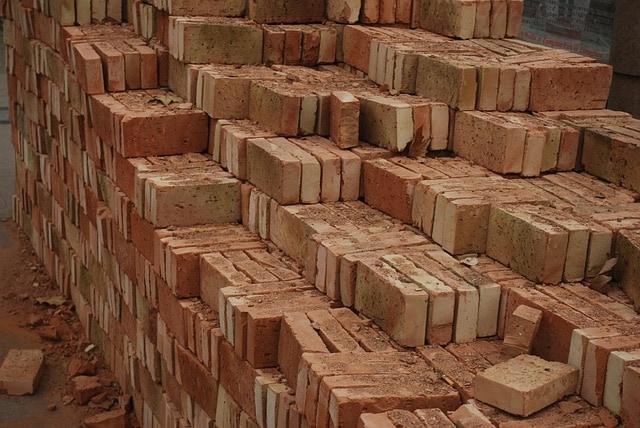
- Clay bricks
- Concrete blocks (CMU)
- Natural stone
Working With Masonry
- Ensure proper mortar mix ratios.
- Maintain level courses and alignment.
- Install adequate reinforcement.
- Control expansion joints.
In seismic regions of the U.S. and New Zealand, reinforced masonry systems are mandatory.
Glass: Transparency with Performance

Glass is essential for modern architectural design.
Types of Construction Glass
- Tempered glass
- Laminated glass
- Double or triple glazing
- Low-emissivity (Low-E) glass
Installation Considerations
- Handle with appropriate lifting equipment.
- Ensure correct edge protection.
- Verify compliance with impact resistance standards.
Energy efficiency regulations in Europe and Australia often require high-performance glazing systems.
Insulation Materials: Thermal and Acoustic Control

Insulation improves energy efficiency and occupant comfort.
Common Types
- Fiberglass batts
- Rigid foam boards
- Spray polyurethane foam
- Mineral wool
Best Practices
- Avoid compression of batts.
- Seal gaps and penetrations.
- Follow fire safety guidelines.
- Wear PPE during installation.
Energy performance standards in the EU and New Zealand require strict thermal compliance.
Gypsum and Drywall Systems
Drywall is commonly used for interior partitions and ceilings.
Installation Tips
- Ensure framing alignment.
- Use correct screw spacing.
- Tape and finish joints properly.
- Protect from moisture during storage.
Moisture-resistant boards are recommended in bathrooms and kitchens.
Asphalt and Bituminous Materials

Widely used in road construction and roofing.
Working Considerations
- Maintain correct application temperature.
- Ensure compaction standards.
- Follow environmental handling guidelines.
Hot asphalt requires strict PPE and ventilation protocols.
Plastics and Composite Materials
Modern construction increasingly uses PVC, HDPE, and composite panels.

Applications
- Plumbing systems
- Cladding panels
- Waterproof membranes
Follow manufacturer specifications carefully to avoid long-term failures.
Working Safely Across All Materials
Regardless of material type:
- Conduct risk assessments.
- Follow Safe Work Method Statements.
- Use proper lifting techniques.
- Maintain clear communication.
Regulatory oversight bodies include:
- Safe Work Australia
- Occupational Safety and Health Administration (OSHA) – USA
- WorkSafe New Zealand
- European Agency for Safety and Health at Work (EU-OSHA)
Each organization provides guidance on safe material handling and construction practices.
Sustainability and Environmental Compliance
Sustainable construction is now a regulatory expectation.
Best Practices
- Source certified materials.
- Reduce waste through precise measurement.
- Recycle scrap metal and concrete.
- Monitor embodied carbon impact.
Green building certifications are increasingly required for commercial projects.
Quality Control and Inspection
Material verification prevents structural failures.
Inspection Checklist
- Certification documentation
- Visual defect inspection
- Dimensional accuracy
- Compliance with project specifications
Testing laboratories may be required for structural steel and concrete.
Storage and Handling Guidelines
Improper storage causes damage and financial loss.
| Material | Storage Requirement |
| Timber | Elevated, dry, ventilated |
| Cement | Sealed, moisture-free area |
| Steel | Protected from standing water |
| Insulation | Covered, clean environment |
FAQs: Common Construction Materials and How to Work With Them
-
What is the most widely used construction material?
Concrete remains the most commonly used material globally.
-
How do I prevent corrosion in steel?
Use galvanization, coatings, and proper drainage design.
-
Why is curing concrete important?
Proper curing increases strength and prevents cracking.
-
What timber treatment is required in Australia?
Termite-resistant treatment is mandatory in many regions.
-
How do European standards affect material selection?
Eurocodes and energy directives influence structural and insulation requirements.
-
What is the safest way to handle insulation?
Wear protective equipment and avoid inhalation of fibers.
Quick Summary
Knowing how different construction materials behave helps prevent tool damage, poor finish quality, and unnecessary rework. In my experience and from regular discussions with material suppliers and trade professionals, most jobsite problems come from treating every material the same instead of respecting how each one responds to cutting, fastening, and heat.
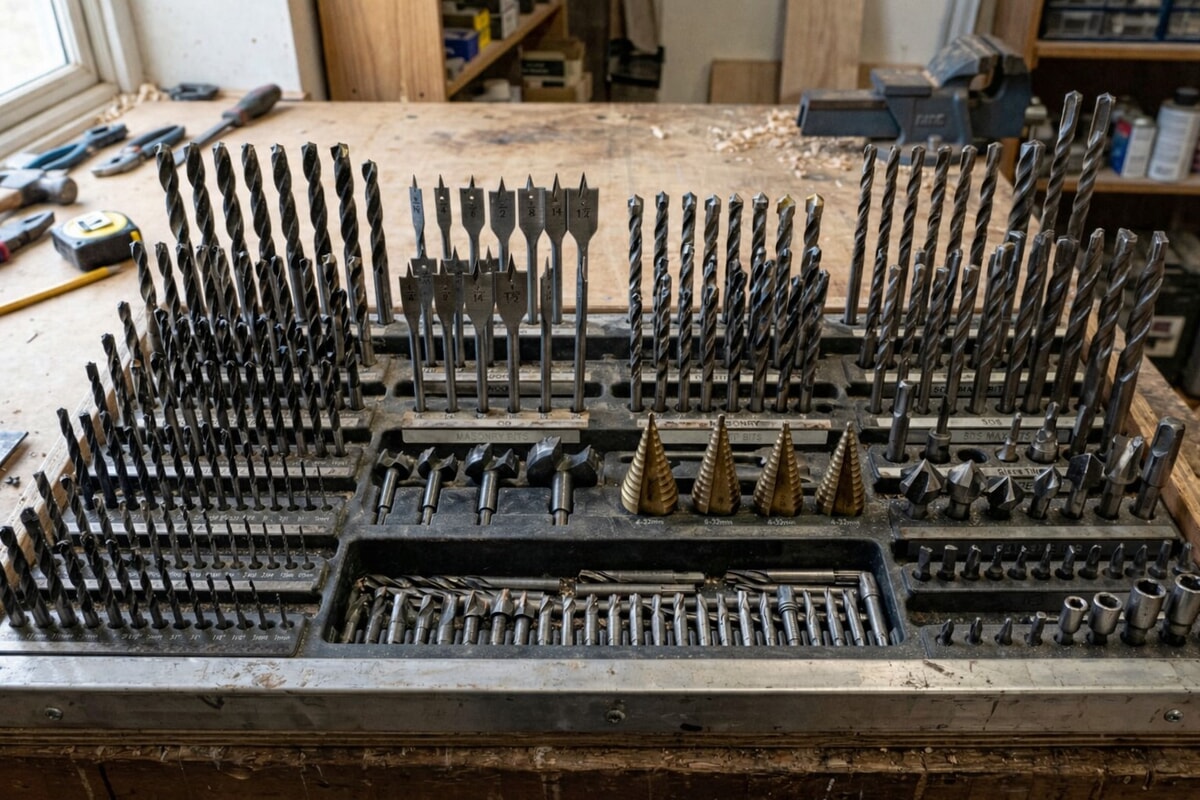
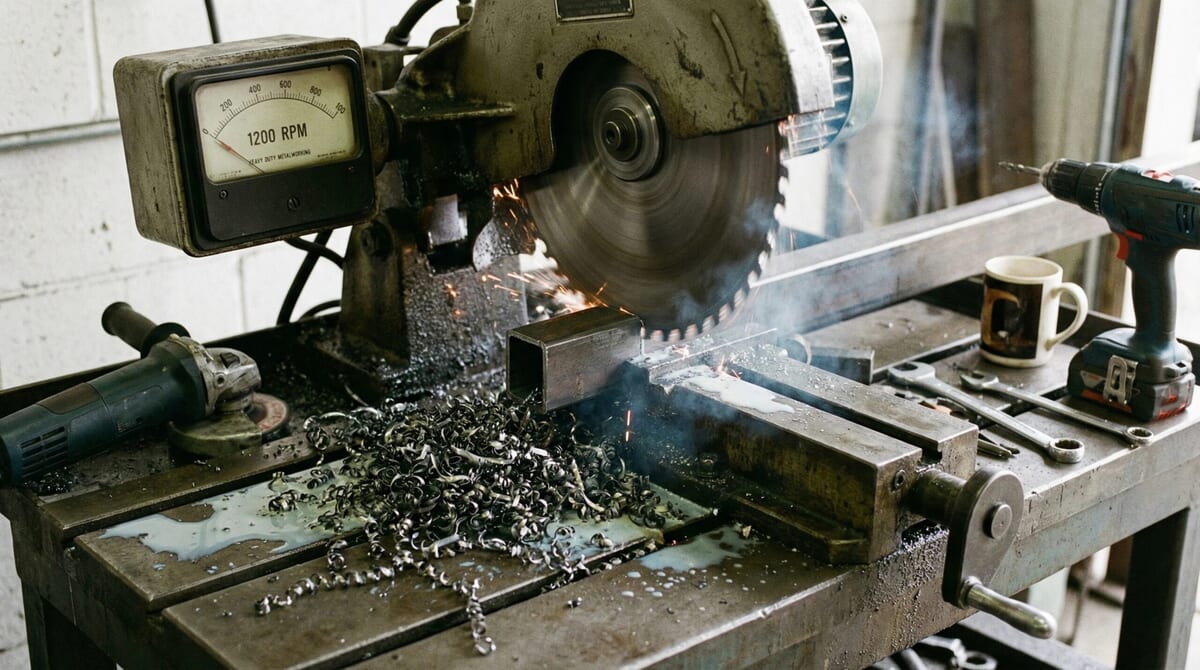
Concrete and masonry require impact energy rather than pure rotation. Hammer drills and masonry bits transfer energy efficiently into brittle materials. Dust control becomes critical due to silica exposure, and operators should avoid excessive pressure that can damage both tooling and substrates. Steel and structural metals demand higher torque and slower cutting speeds to avoid tool wear and excessive heat. Lubrication and proper bit selection improve surface finish and extend tool life. Hardened or alloy steels require additional care to prevent edge chipping and premature dulling.
Timber is forgiving and easy to machine, but grain direction, moisture content, and resin buildup can influence tool performance. Sharp cutting edges and controlled feed rates prevent tear-out and overheating. Dust extraction becomes important when working indoors or during extended cutting sessions. Aluminum and soft alloys cut easily but tend to clog cutting edges if chip evacuation is poor. Higher RPM and clean cutting geometry help maintain surface quality. Keeping tools clean reduces heat buildup and preserves cutting efficiency.
Plastics and composites vary widely in hardness and heat sensitivity. Lower speeds and sharp tools reduce melting or edge deformation. Material compatibility charts from manufacturers help avoid surface damage and poor finishes.
Matching tools, speeds, and accessories to the material reduces tool stress, improves accuracy, and shortens cycle time. Understanding material behavior allows operators to work more efficiently while protecting equipment and maintaining consistent results.
As reinforced by standards developed by the American Concrete Institute, proper selection, mixing, placing, and curing of concrete is a key factor in the performance and longevity of concrete structures on site.
In my experience and in line with internationally recognized structural design standards, materials like concrete, steel, and timber each have established performance expectations and handling characteristics that influence how they’re specified and used in construction, as set out in the Eurocodes for concrete, steel, and timber design
Conclusion
Understanding Common Construction Materials and How to Work With Them is essential for delivering compliant, safe, and high-performing projects across Australia, the USA, New Zealand, and Europe.
Every material has strengths, limitations, and regulatory requirements. When selected carefully, stored correctly, and installed according to standards, these materials contribute to durable, efficient, and sustainable structures.
Professional construction practice demands more than technical knowledge it requires disciplined application, compliance awareness, and respect for safety principles at every stage.
International Standards References
- ISO 9001:2015 – Quality Management Systems
- ISO 45001:2018 – Occupational Health and Safety Management Systems
- EN 1990–1999 (Eurocodes) – Structural Design Standards for Europe – Comprehensive European standards covering material design and behavior for structural concrete, steel, and timber used in construction projects worldwide.
- American Concrete Institute (ACI) Standards: Authoritative standards for concrete design and construction practices, including the widely used ACI 318 structural concrete requirements.
To keep your learning momentum going, check out the next recommended article it connects perfectly with what you’ve just read.
Editorial Disclaimer
This article is for educational purposes only, and readers should always refer to the manufacturer’s official specifications and safety guidelines for exact application requirements.