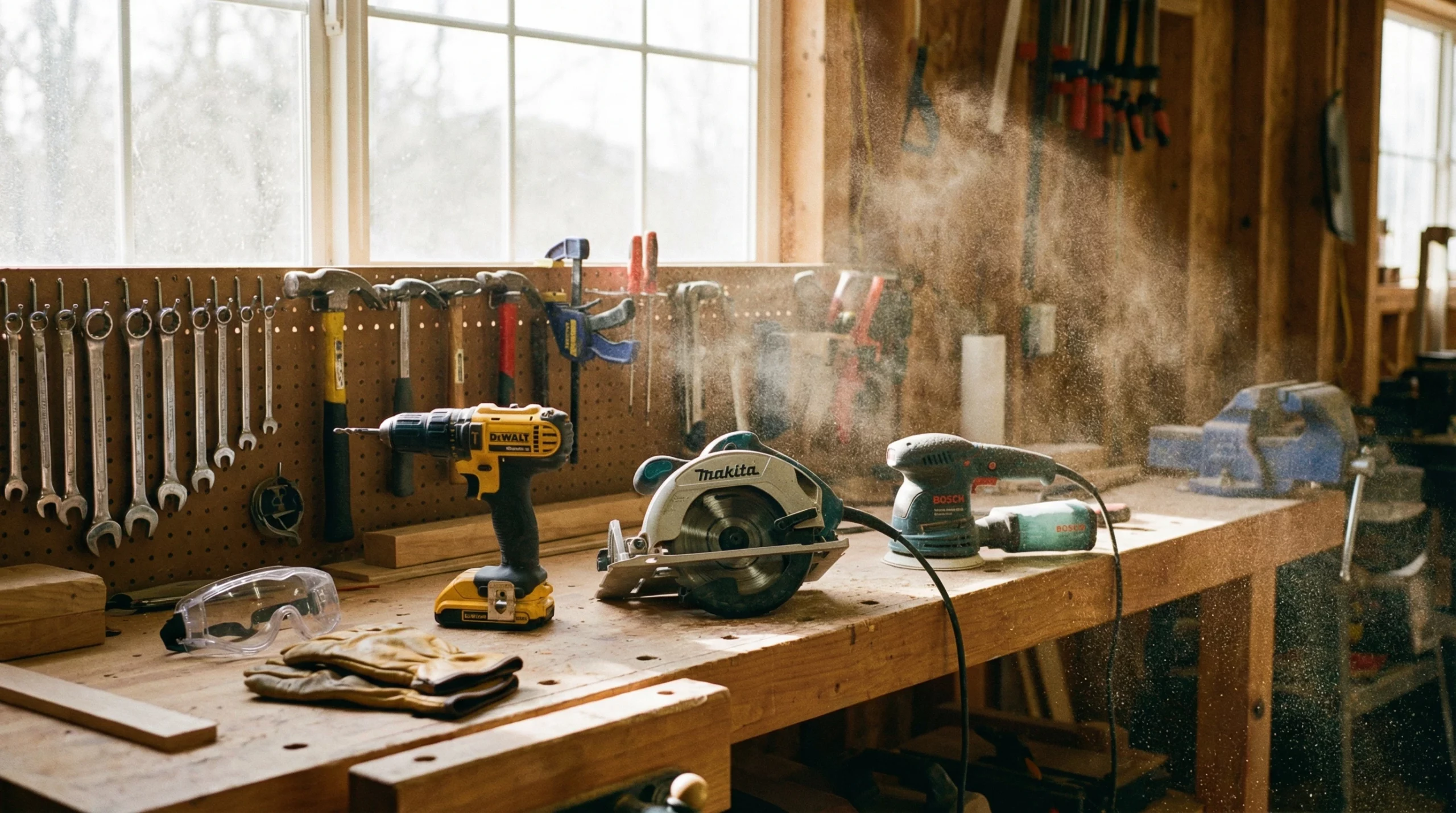
Using power tools can save time and effort, but I’ve seen how easily mistakes can happen on job sites and home projects. Simple oversights can lead to damage, wasted materials, or even serious injuries. Learning from real-life experiences, advice from industry experts, and standard safety guidelines makes a big difference in working safely and getting quality results. In this article, I’m focusing on the most common power tool mistakes and sharing how you can avoid them.
Why Power Tool Safety Matters
Every year on construction sites, in workshops, and even around the house, accidents happen because of power tool mistakes. According to OSHA, thousands of injuries are reported annually. Most of these could have been avoided with proper training, maintenance, and safe work habits. Besides safety, tool misuse can wreck jobs and cost money in repairs or replacements. My years on site have shown me the importance of doing things the right way.
Working with power tools also means understanding each tool’s strengths and limits. Manuals, manufacturer guidelines, and workplace rules aren’t just forms or fine print. They exist to help people work smarter and safer, especially in regions like the USA, Australia, and New Zealand, where safety rules are well established and fines for violations can be steep.
Common Mistakes When Using Power Tools
After years in workshops and on job sites, I’ve seen some mistakes made over and over. Here’s a breakdown of problems you’re likely to run into, plus what you can do to steer clear of them.
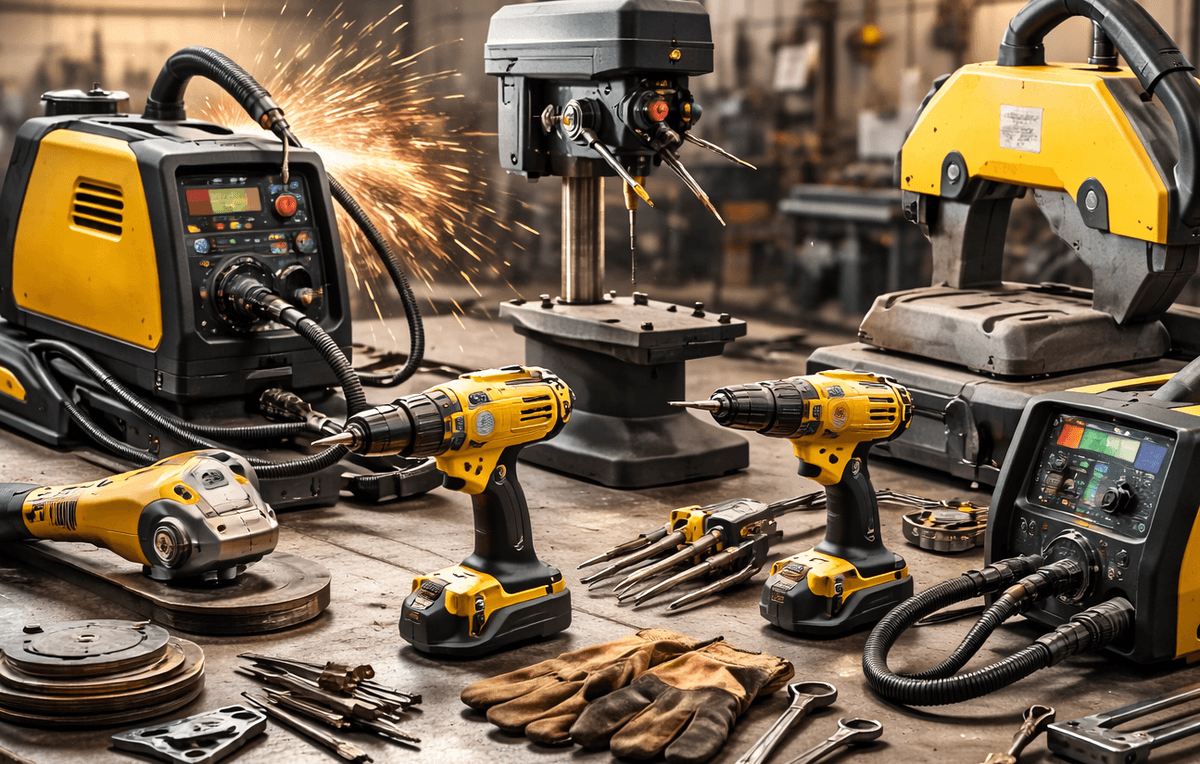
- Skipping Safety Gear: Not wearing proper PPE (personal protective equipment) like safety glasses, gloves, or ear protection leads to a lot of injuries. Dust, flying debris, and loud noise are real hazards that shouldn’t be ignored.
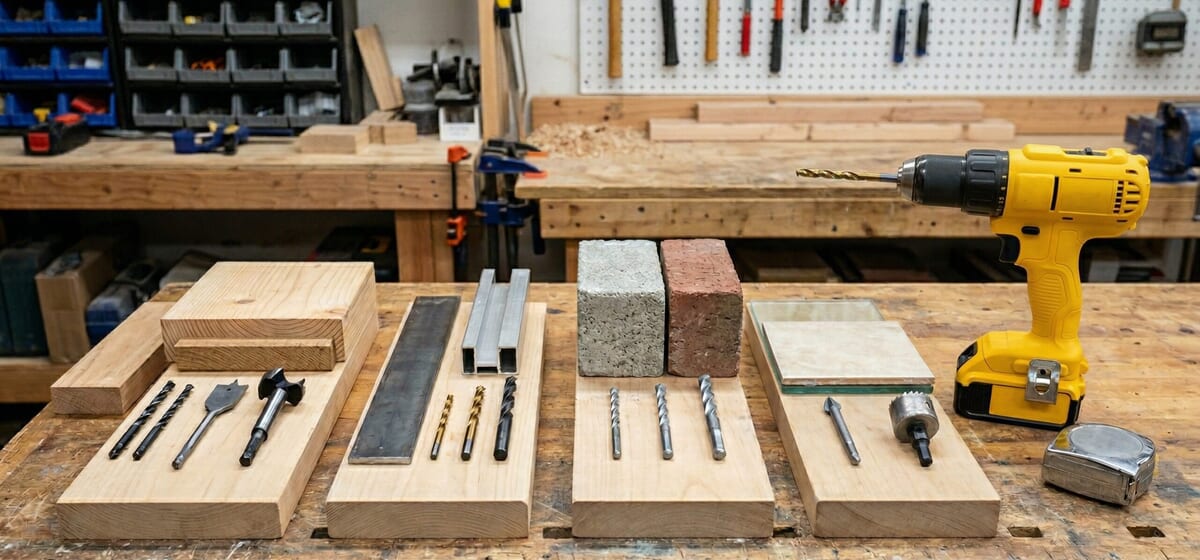
- Using the Wrong Tool for the Job: Some people grab whatever tool is closest. This often leads to poor results or accidents. Tools are designed for specific purposes, and ignoring this can cause problems.
- Improper Maintenance: Dull blades, frayed cords, and clogged vents can make tools unsafe. Poor maintenance is behind many tool breakdowns and safety issues.
- Rushing the Job: Going too fast or skipping steps often leads to mistakes. Patience and steady work produce better and safer outcomes.
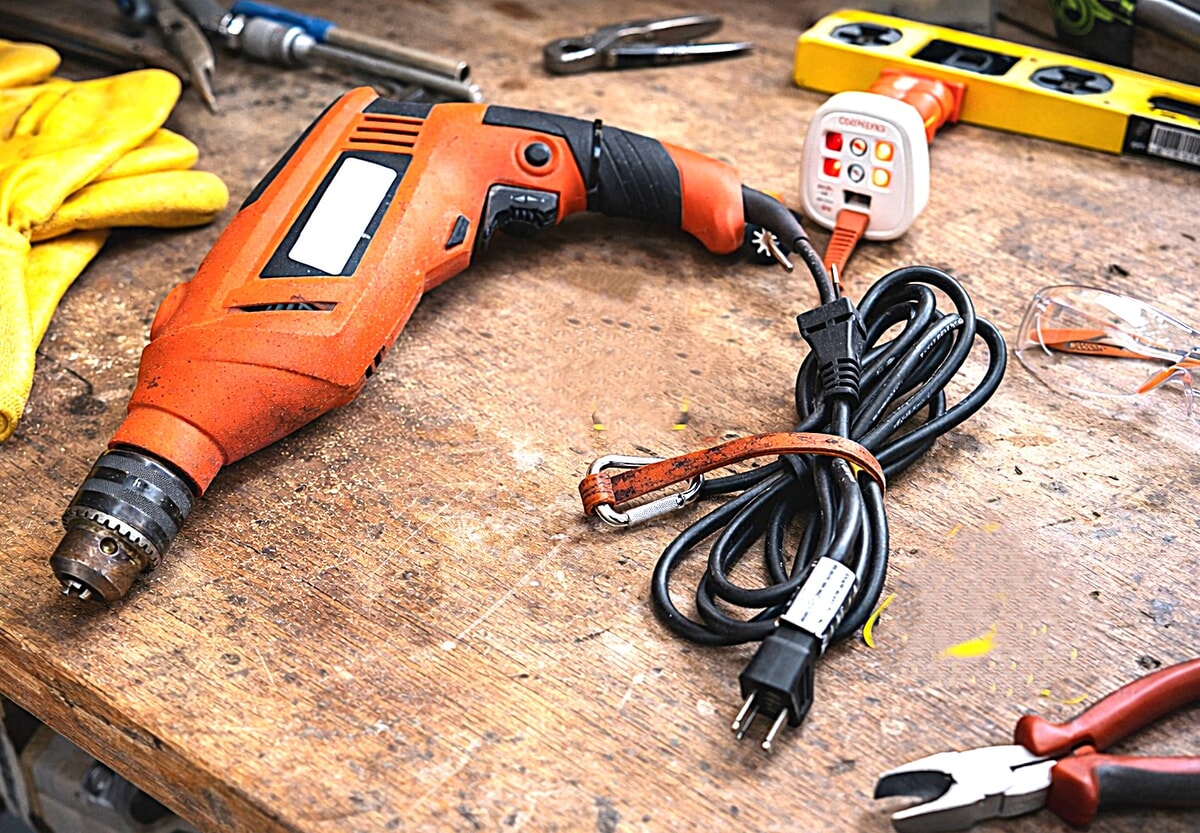
- Ignoring Electrical Safety: Running power tools with damaged cords, improper extension leads, or in wet conditions is a risky move. Taking shortcuts with electricity can cause shocks or fires.
- Bypassing the Manual: Many accidents happen because people don’t check the manual or follow instructions. Manufacturer guidelines aren’t just suggestions.
- Loose Clothing and Hair: Wearing baggy clothes or leaving long hair untied puts people at risk of getting caught in moving parts.
- Poor Workspace Organization: Cluttered benches and messy floors increase the chance of trips or knocking tools off edges. Organization is key for both efficiency and safety.
Avoiding Power Tool Mistakes: Practical Solutions
From my experience and what I’ve learned from Site Safe NZ, OSHA, and industry trainers, the best way to avoid mistakes is to set up good habits from the start. Here are practical ways to use tools safely and effectively:
- Always Wear PPE: It’s not just a formality. Goggles, ear muffs, steel toe boots, dust masks, and gloves are essential. I keep my safety gear in a dedicated spot so I don’t forget it. Face shields add another level of defense, especially when using grinders or saws that create lots of flying chips.
- Choose the Right Tool: Take a minute to select a tool that’s designed for your specific job. Using a jigsaw for straight cuts instead of forcing a circular saw, for example, keeps things safer and tidier. Tools designed for specific materials, like masonry drills or metal cutting blades, help avoid premature wear and minimize accidents.
- Stick to Regular Maintenance: Check tools before use. Sharpen dull blades, oil moving parts, and check that electrical cords show no damage. After each job, clean tools and store them properly. Make it routine to replace worn out parts and keep tools up to date for best results.
- Take Your Time: Plan work steps and focus on the job. Rushing might save time at first but often leads to redos or, worse, injuries. A steady pace works better in the long run. Mapping out your project beforehand also helps avoid surprises.
- Follow Electrical Safety Rules: Inspect cords, use tools with earth leakage protection (RCD/GFCI outlets where required), and never operate tools in wet areas unless they’re rated as waterproof. Using the proper gauge extension cords is also really important for longer runs.
- Read the Manual: Manuals contain more than technical data, they include safety warnings and directions for proper use. Even seasoned workers can pick up something new from them. Digital versions are often available for quick reference.
- Keep Clothing Tidy: Tie back long hair, remove rings, and avoid scarves or loose sleeves. What seems small can prevent a big accident. Wearing fitted workwear reduces snags and drag from tool movement.
- Organize Your Workspace: I keep tools neatly arranged and clear my workspace before starting. Good organization helps avoid tripping and knocking things over, especially when working with others. Label storage bins and tool racks so everything is easy to find.
Extra Tips That Make Power Tool Work Safer
Drawing from chats with industry experts and government inspectors, there are additional habits that help keep things safe and professional:
- Test a tool on scrap wood or material first to check settings and blade/cutter depth. This can prevent miscuts and wasted material.
- Stay aware of your surroundings when others are working nearby. Good communication can avoid accidents. A quick shout or wave before starting noisy tools can prevent surprises.
- Store batteries and fuel away from sparks, hot tools, or direct sunlight. Keeping lithium batteries in a cool, dry spot prolongs life and reduces fire risk.
- Unplug or remove batteries from tools when changing blades or bits to prevent accidental starts. It’s a simple habit that safeguards fingers and jobsites.
- Tag out or lock out faulty tools so nobody else can use them while they’re unsafe. This small action is a big deal in a team environment.
- Follow the “one person, one tool” rule whenever possible, so no one reaches into a tool’s area when it’s running. It’s easy to get distracted in a busy garage, so make sure everyone knows who’s controlling what.
Additionally, keep first aid supplies and a phone handy in case of an emergency. Many small workshops overlook this, but quick action can limit injuries if something goes wrong. Posting emergency contact numbers and clear safety signage makes it easier for helpers or guests to act correctly if needed.
Beginner and Pro: Mistakes Don’t Discriminate
Power tool mistakes aren’t limited to new users. Even professionals make errors, especially after a long day or when working under pressure. I remember accidentally setting a circular saw too deep, nicking the workbench below. A small mistake, but it taught me to doublecheck adjustments before every cut. Talking to others on site, I’ve found most of us have stories about lessons learned the hard way. Sharing these helps everyone stay alert.
Industry standard rules apply to all levels of experience. I regularly visit safety sites like OSHA’s Quick Card library and Work safe Australia’s guidelines to stay updated on best practices and rule changes. Checking with colleagues and looking up tool reviews on reputable sites helps me make better decisions, too. Sometimes, even a quick chat at the hardware store can lead to picking up handy tips or warnings about new products.
What the Law Says: Regulations and Your Responsibilities
In the USA, Australia, and New Zealand, power tool use is guided by strict regulations and safety codes. These cover issues like tool maintenance, PPE, training, electrical work, and reporting incidents. In commercial settings, employers must provide proper training and working tools. At home, the same standards help keep families safe.
OSHA (Occupational Safety and Health Administration) has detailed requirements for tool safety. Australia’s Safe Work rules and New Zealand’s WorkSafe codes also put a spotlight on keeping gear in good condition, following manufacturer recommendations, and using PPE as required. Insurance claims may be denied if injuries result from ignoring these standards. Staying up to date with regulations helps you avoid fines and keeps you covered in case something goes wrong. Local city councils and building inspectors may also enforce regional rules for renovation work, so taking a moment to check local laws before starting bigger jobs saves trouble later.
Frequently Asked Questions About Power Tool Mistakes
- How often should I inspect my power tools?
It’s best to do a quick check every time you use them. Look for loose parts, damaged cords, missing guards, and dull blades. Doing a full inspection monthly or after heavy use helps catch bigger issues. If a tool is used by several people, keep a logbook or checklist to track regular inspections and repairs. - Can I repair electrical cords myself?
Unless you have proper training and tools, leave repairs of electrical parts to a certified professional. Improper repairs can make a tool unsafe and void the warranty. For simple fixes like changing tool plugs or fitting proper cable reels, always follow local electrical codes. - Are battery powered tools safer than corded ones?
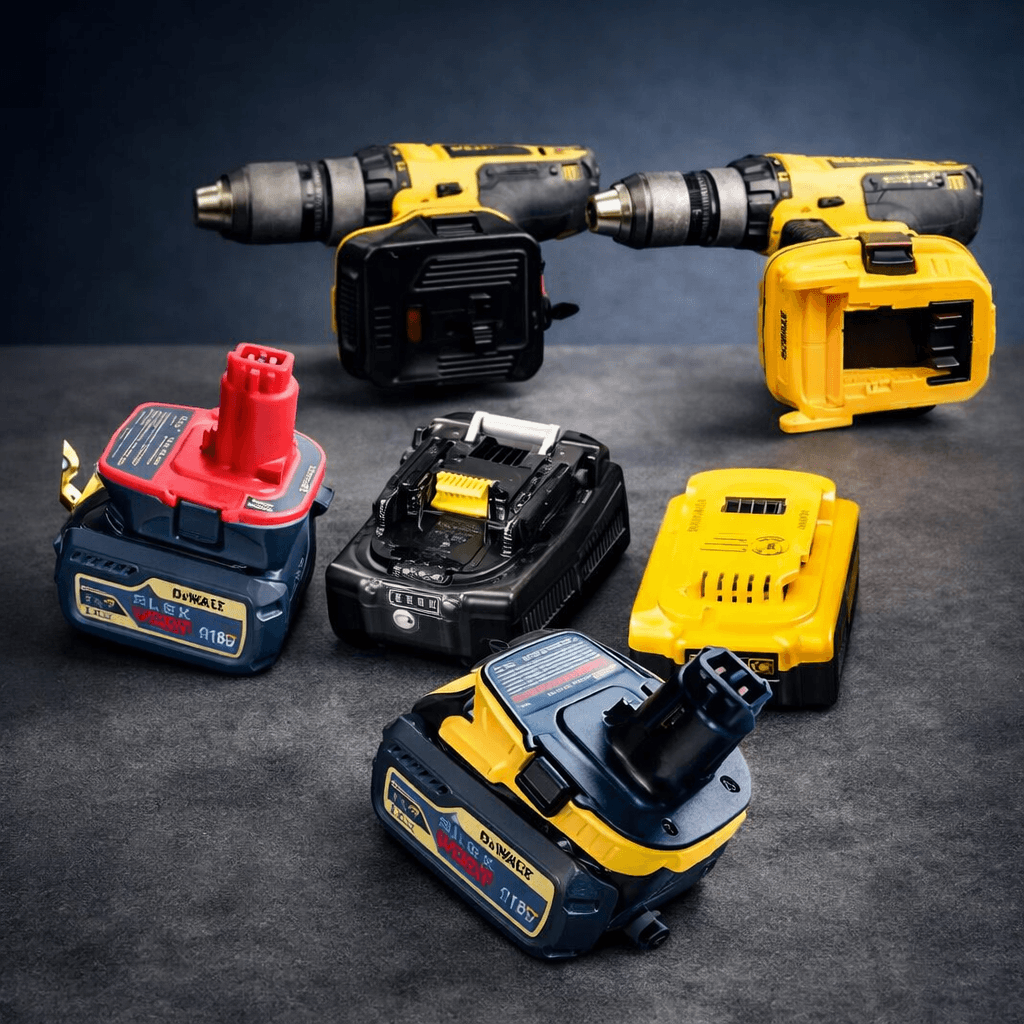
Both types have risks. Cordless tools avoid the trip hazards of cords but need batteries handled and stored carefully. Corded tools need regular checks for frayed leads and proper use of RCD/GFCI protection. Always keep spare batteries charged, but don’t mix brands or incompatible chargers. - What’s the best way to organize a power tool workspace?
Keep tools off the floor and in dedicated racks or on secure benches. Use cable tidies or reels for cords. Clearly mark zones for active work, storage, and waste. Ventilated areas for sanding, painting, or grinding will prevent dust buildup and keep your workshop safer.
Looking at Safety in the USA, Australia, and New Zealand
Power tool safety standards are well established in the USA, Australia, and New Zealand. Local agencies like OSHA, Safe Work Australia, and WorkSafe New Zealand regularly update safety requirements for both professional sites and DIY users. I recommend checking regional guidelines and using resources from government and reputable trade groups for best results. Online sellers like Amazon carry reputable gear and replacement parts that meet local safety standards, so when you need safety equipment or a new tool, doublecheck the certifications in product listings and reviews.
Paying attention to these power tool basics not only keeps you safer but also helps you finish jobs right the first time. Every little habit adds up, whether at home or on the job, wherever you live. Building solid routines and staying informed is the key to avoiding costly mistakes and making your projects run smoother.
Next Recommended Article:
- Essential Power Tools Every New Contractor Should Own
- How to Set Up a Safe and Efficient Construction Jobsite
References & Sources:
- OSHA: Hand and Power Tools Safety
- Safe Work Australia: Hand and Power Tools
- WorkSafe New Zealand: Use of Hand and Portable Power Tools
- Google Scholar: Power Tool Safety Research
Editorial Disclaimer
This content is for educational purposes only. Always follow manufacturer guidance and safety procedures.