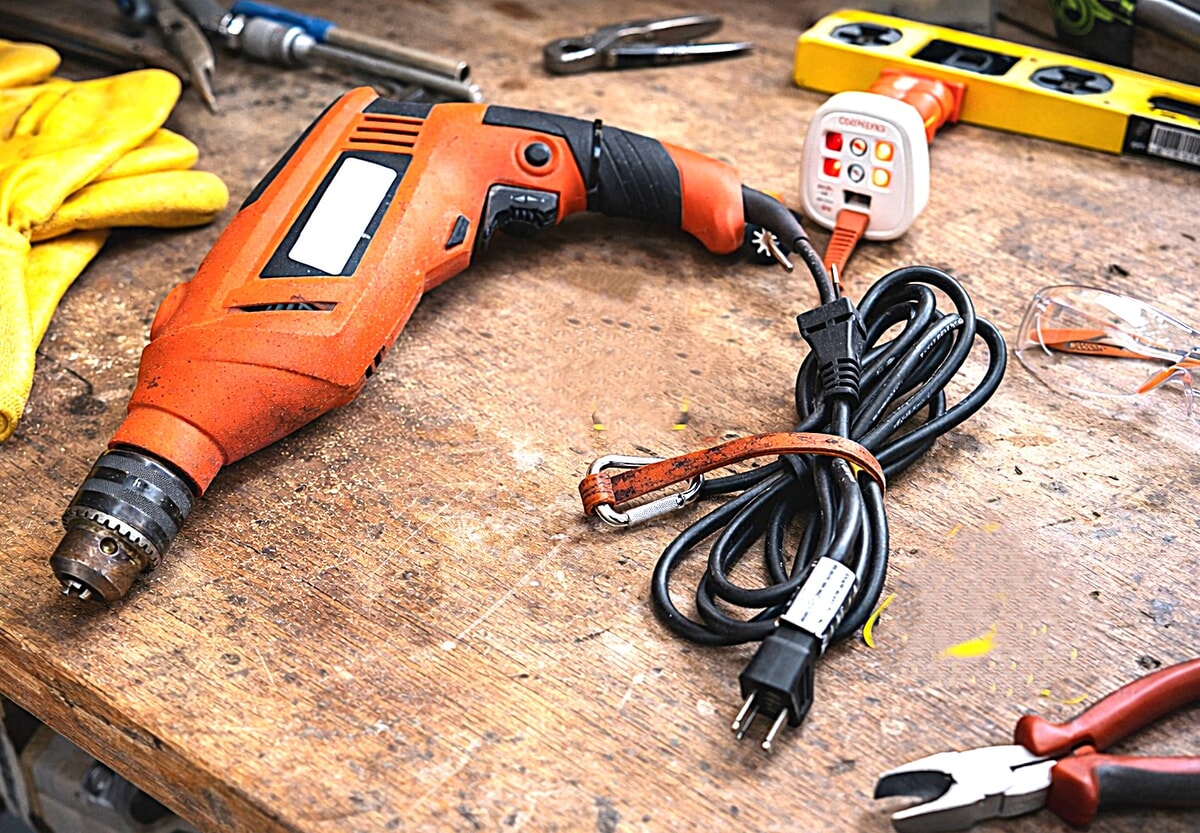
Understanding the electrical safety basics for power tools is a fundamental requirement for any industrial, commercial, or serious DIY workshop. When high-torque motors, spinning metal, and electrical currents intersect, the margin for error is virtually nonexistent.
Whether outfitting a large manufacturing facility or managing a small fabrication shop, comprehending how electrical safety protocols function, why they exist, and how they vary across global markets is critical for protecting personnel and preserving equipment.
This guide explores the core principles of power tool electrical safety, examines international regulatory requirements, and provides practical insights derived from decades of analyzing machinery manuals, consulting with technical sales teams, and observing shop floor dynamics.
Are Electrical Safety Protocols Really Needed and Mandatory?
A common question raised by facility managers and independent operators alike is whether strict adherence to electrical safety protocols is genuinely necessary, or if it is simply a layer of bureaucratic red tape.
The answer is unequivocal: these protocols are absolutely critical, and in professional settings, they are strictly mandatory.
From a regulatory standpoint, workplace safety authorities around the world enforce severe penalties for failing to maintain electrically safe environments. However, beyond legal compliance, the practical necessity of these basics cannot be overstated. Power tools operate by drawing significant electrical current to generate mechanical force.
A failure in the electrical insulation, a severed cord, or a short circuit can route that current directly through the operator.
In metalworking environments, the risks are compounded. For example, when operating high-RPM die grinders equipped with carbide burrs, the generation of fine, highly conductive metal dust is inevitable.
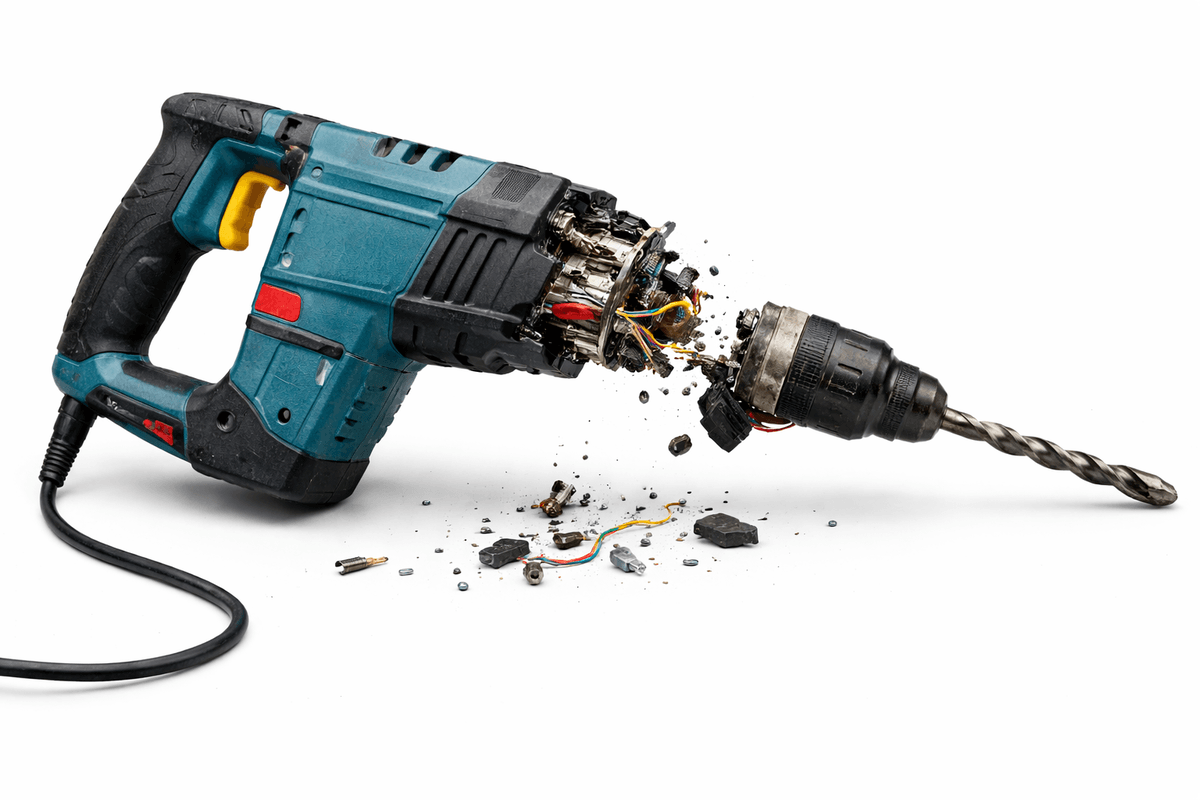
If a tool’s internal electrical components are not properly sealed or grounded, this dust can easily bridge electrical contacts, leading to catastrophic tool failure, localized fires, or severe electric shock.
Therefore, electrical safety is not just a regulatory checkbox; it is a foundational pillar of modern machining and fabrication. It ensures continuous operational uptime, reduces liability, and protects human life on the shop floor.
Core Electrical Safety Basics for Power Tools
Mastering electrical safety requires moving beyond basic common sense and understanding the engineered safety mechanisms built into modern equipment.
- Grounding and Double Insulation
Historically, power tools relied on a three-wire system where the third wire provided a path to ground. If a fault occurred and the tool’s metal casing became electrified, the ground wire would safely channel the current away from the operator and trip the circuit breaker.
Today, many modern tools utilize “Double Insulation.” These tools feature an internal layer of insulation around the electrical components and a non-conductive outer casing (usually heavy-duty plastic or composite). Double-insulated tools are identifiable by a “square within a square” symbol on their specification plate and do not require a grounding pin on the plug. However, if the outer casing is cracked or compromised, the safety rating is entirely voided.
- GFCIs and RCDs
Ground Fault Circuit Interrupters (GFCIs) in North America, or Residual Current Devices (RCDs) in regions like Australia and New Zealand, are life-saving technologies. These devices constantly monitor the electrical current flowing to the tool and the current returning. If there is a variation of even a few milliamperes—indicating that electricity is leaking to the ground, potentially through the operator—the device cuts the power in a fraction of a second. Utilizing inline or outlet-based GFCIs/RCDs is a non-negotiable best practice, particularly when working in damp environments or on conductive metal grating.
- Cord Integrity and Management
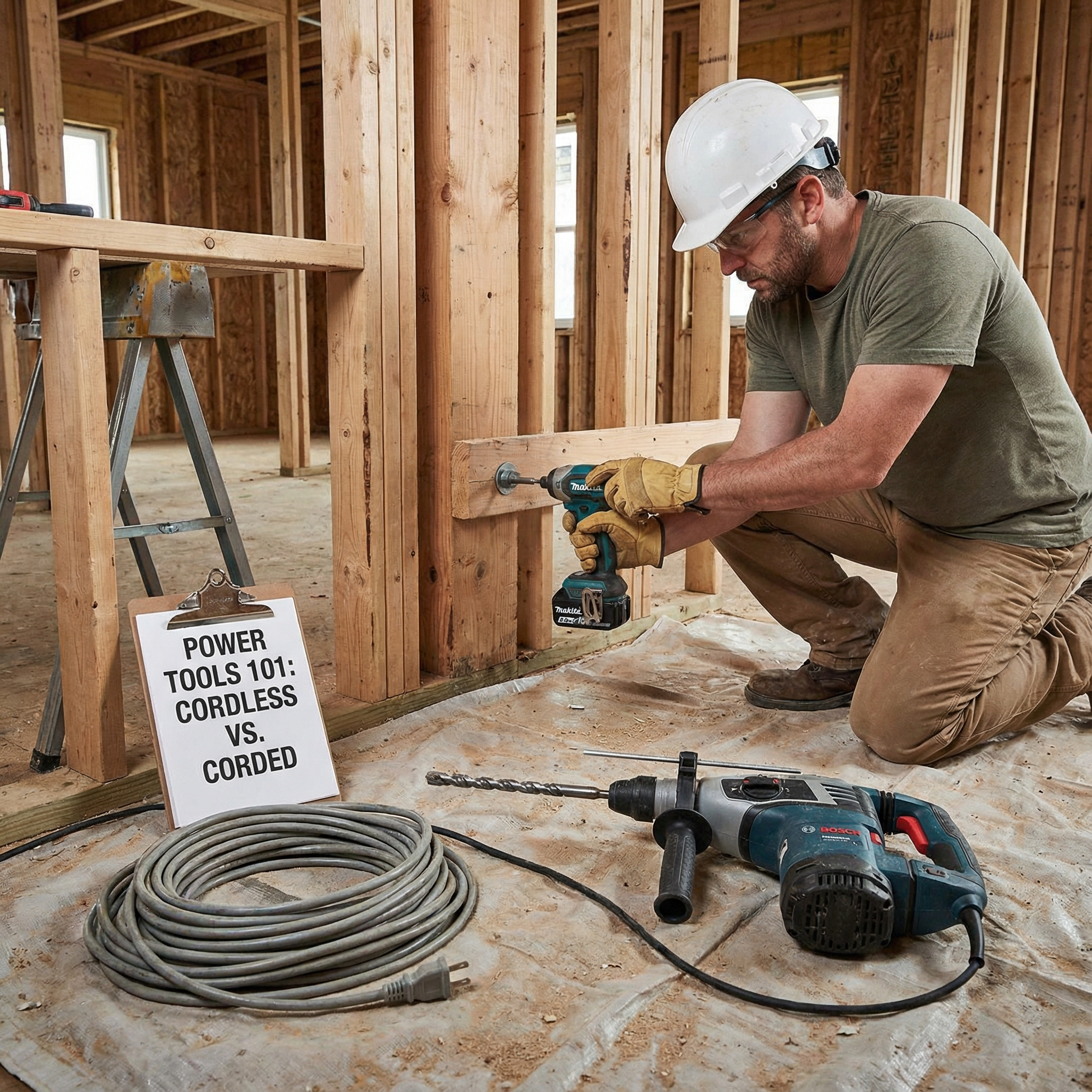
The power cord is the most vulnerable component of any electrical tool. Industrial environments are harsh, with heavy machinery, sharp metal shavings, and constant movement. A cord with a compromised outer jacket exposes the inner wires, creating an immediate shock hazard. Procurement departments emphasize the purchase of tools with thick, oil-resistant, and abrasion-resistant rubber cords (such as SJOOW or SOOW cables). Furthermore, cords must never be used to lift or carry the tool, as this degrades the internal electrical connections over time.
- Avoiding Operator-Induced Motor Overload
A critical aspect of electrical safety relates to how the tool is physically used. A common error on the shop floor is applying excessive load or forcing a tool through a workpiece faster than its designed capacity. Instead of allowing the RPM and the abrasive or cutting edge to do the work, operators sometimes push too hard. This operator-induced motor overload forces the electric motor to draw excessive current (amperage) to maintain speed. This spikes the internal temperature, melting the protective varnish on the copper windings and inevitably causing an electrical short circuit. Operating tools at their intended pace is both a mechanical and an electrical safety imperative.
Global Perspectives on Power Tool Safety Standards
The manufacturing and distribution of power tools are governed by a complex web of regional standards. Understanding these variations is crucial when purchasing equipment, assessing supply chains, or managing international facilities.
USA: OSHA and UL Standards
In the United States, the Occupational Safety and Health Administration (OSHA) sets the baseline for workplace safety. OSHA mandates that all electrical power tools must be either grounded or double-insulated. Furthermore, OSHA highly prioritizes the use of GFCIs on construction sites and in industrial environments.
From an equipment standard perspective, tools sold in the US should bear the mark of a Nationally Recognized Testing Laboratory (NRTL), with Underwriters Laboratories (UL) being the most prominent. A UL listing indicates that the tool’s electrical design has been rigorously tested for fire and shock hazards under extreme conditions.
Australia and New Zealand: AS/NZS Standards and “Test and Tag”
Australia and New Zealand operate under strict, highly unified electrical safety frameworks (AS/NZS 3760). WorkSafe New Zealand and Safe Work Australia mandate stringent compliance.
A defining characteristic of the AUS/NZ industrial sector is the mandatory “Test and Tag” system. In professional environments, portable electrical equipment must be regularly inspected and electrically tested by a competent person. The tool is then fitted with a durable tag indicating the test date, the tester’s initials, and the next required testing date. This proactive approach heavily minimizes the use of degrading equipment. RCD protection is also fiercely enforced across all industrial and construction sites in these nations.
Europe: CE Marking and Machinery Directives
The European Union relies on the CE (Conformité Européenne) mark. By applying the CE mark, the manufacturer declares that the power tool meets all applicable EU safety, health, and environmental protection requirements, specifically under the stringent Machinery Directive and Low Voltage Directive. Europe tends to lead in requiring integrated safety features, such as advanced dust extraction integrations and anti-restart relays (which prevent a tool from powering back on automatically if it was plugged in with the switch in the “on” position).
The Asian Manufacturing Sector
The vast majority of the world’s power tools, and their internal components, are manufactured in Asia. The sector presents a duality. On one hand, top-tier Asian manufacturing facilities produce flagship tools for major global brands, adhering flawlessly to UL, CE, and AS/NZS standards through rigorous Quality Assurance (QA) and Quality Control (QC) processes.
On the other hand, the aftermarket and direct-to-consumer export markets can be inconsistent. When procuring tools or replacement parts (like carbon brushes or power switches) directly from lesser-known overseas factories, purchase managers must rigorously verify electrical certifications. Tools lacking legitimate international safety certifications often feature inferior internal wiring, lower-grade insulation, and switches prone to arcing, presenting severe electrical hazards on the shop floor.
Insights from Procurement and the Shop Floor
Approaching electrical safety from a procurement and operational management perspective shifts the focus from reactive safety to preventative strategy.
- Reading the Machine Manuals: Industry professionals know that the operator’s manual is not simply a packing insert; it is a technical legal document. Manuals specify exact extension cord gauges required for specific distances to prevent voltage drop. Voltage drop causes the tool’s motor to run hot, degrading electrical safety over time.
- Evaluating Specification Sheets: When evaluating a new line of die grinders or heavy-duty drills, looking at the ingress protection (IP) rating is vital. A higher IP rating indicates better protection against conductive dust and moisture, directly correlating to long-term electrical safety.
- Standardizing the Tool Fleet: Many industrial facilities choose to standardize their power tool fleets to a single industrial brand. This allows for uniform safety training, predictable electrical loads, and a streamlined process for inspecting and repairing cords, switches, and carbon brushes.
Valuable Insight: The Role of Preventative Maintenance
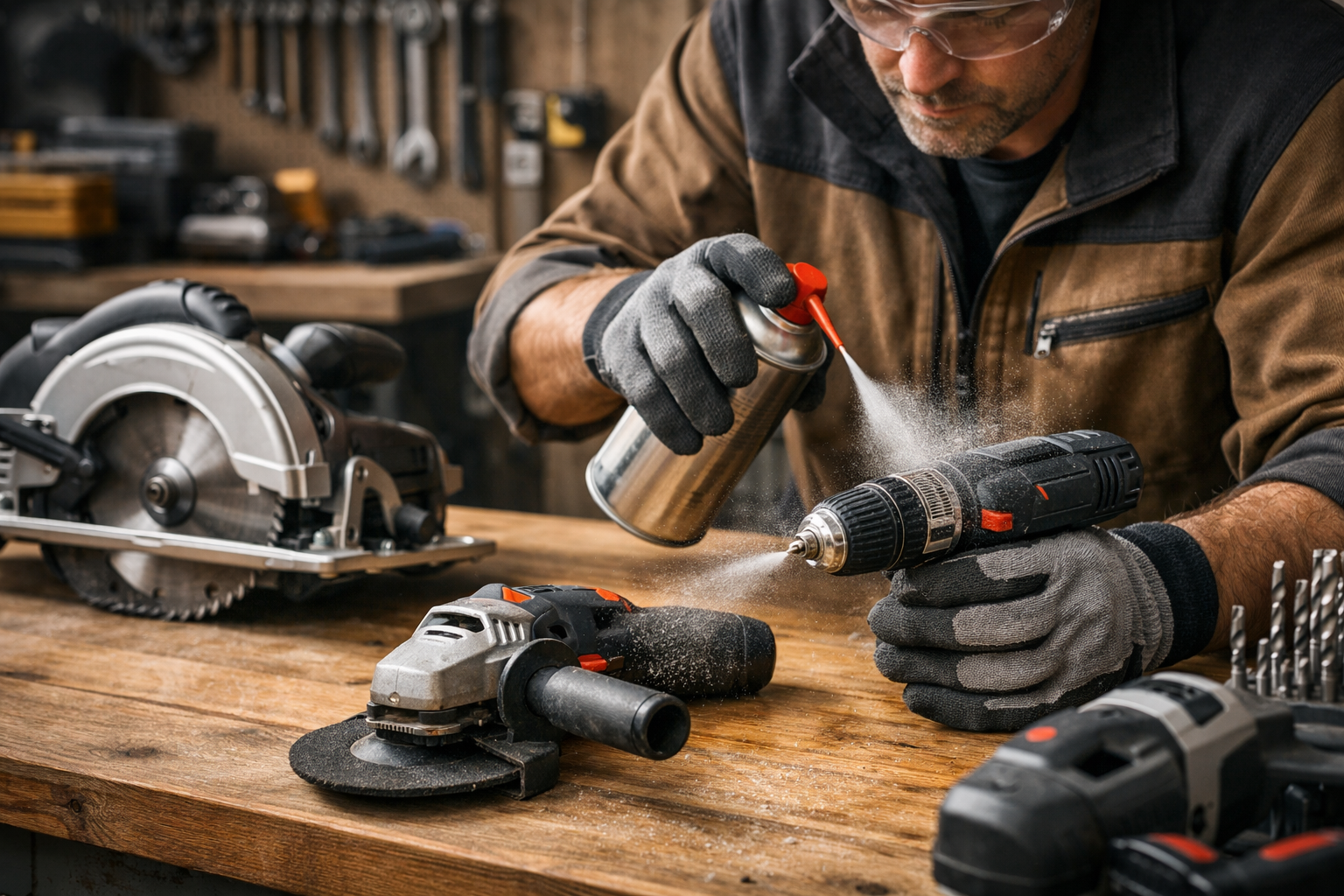
While grounding and insulation protect the user, preventative maintenance protects the electrical integrity of the tool itself. The most overlooked electrical safety practice is blowing out the motor housing with compressed air. As power tools draw in air to cool the motor, they also draw in ambient dust. In woodworking, this dust is a fire hazard; in metalworking, it is an electrical short-circuit hazard. Regularly clearing the ventilation slots ensures the motor runs at its optimal temperature, preserving the electrical insulation on the internal wiring and drastically extending the safe operational life of the equipment.
Next Recommended Article : What Makes Power Tools Powerful? A Guide to Power Tool Motor Efficiency
References for Further Reading
- Occupational Safety and Health Administration (OSHA) – Hand and Power Tools (Publication 3080): A comprehensive guide detailing the federal requirements for power tool usage and electrical safety in the United States.
- Standards New Zealand / Standards Australia (AS/NZS 3760): The official standard outlining the in-service safety inspection and testing of electrical equipment, crucial for understanding the “Test and Tag” methodology.
- National Electrical Manufacturers Association (NEMA) – Enclosure Types: A technical resource for understanding how different tool casings and electrical enclosures protect against environmental factors like conductive dust and water ingress.
Editorial Disclaimer
This article is for educational purposes only, and readers should always refer to the manufacturer’s official specifications and safety guidelines for exact application requirements.