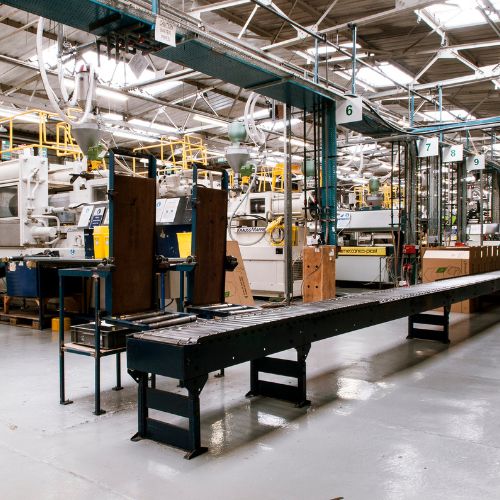
In small manufacturing and fabrication businesses, downtime is more than an inconvenience it’s a silent profit killer. When machines stop, deadlines slip, and customer trust erodes, the impact on the bottom line is immediate. Unlike large corporations with deep resources, reducing downtime in small manufacturing requires smarter systems, sharper planning, and people-focused strategies to stay competitive.
The good news? Slashing these delays doesn’t always require massive capital investment; it often starts with visibility, discipline, and incremental improvements that compound over time
Spotting the Real Culprits: Why Bottlenecks Deserve Immediate Attention
Recognizing bottlenecks in the workflow is crucial for maintaining high efficiency in workshops or in manufacturing. These bottlenecks often hide in plain sight an overworked machine, a poorly positioned workstation, or a process that relies too heavily on a single operator. Left unresolved, they slow production and dramatically increase downtime.
Industry insights consistently show that early identification of problem areas can save both time and money. The most effective way to uncover bottlenecks is by mapping the entire production process from raw material intake to final output. This visual approach highlights where delays, rework, or congestion occur most frequently.
Once identified, even simple adjustments such as reorganizing workstations, redistributing workloads, or modifying staff schedules can immediately relieve pressure on strained areas and stabilize production flow.
Using Data Without Complexity: Real-Time Insights for Small Shops
You don’t need enterprise-level software to make data work for you. Real-time analytics and basic monitoring tools can provide invaluable feedback on equipment performance, cycle times, and workflow efficiency.
Many small manufacturers have successfully reduced downtime by tracking:
- Machine idle time
- Frequency of stoppages
- Maintenance response time
These insights allow faster decision-making when issues arise instead of relying on guesswork. Over time, data-driven adjustments often lead to measurable improvements in uptime and throughput.
Some small fabrication shops have reported cutting downtime nearly in half simply by committing to continuous improvement practices and reviewing performance data weekly.
Measure What Matters: KPIs That Keep Downtime in Check
Sustainable improvement depends on measurement. Tracking the right Key Performance Indicators (KPIs) helps determine whether changes are effective or need refinement.
Essential KPIs include:
- Production rate
- Cycle time
- Equipment uptime
- On-time delivery performance
These metrics create accountability and provide tangible evidence of progress, keeping downtime reduction efforts focused and actionable.
Innovative Workshop Setup: The Foundation for Uninterrupted Operations
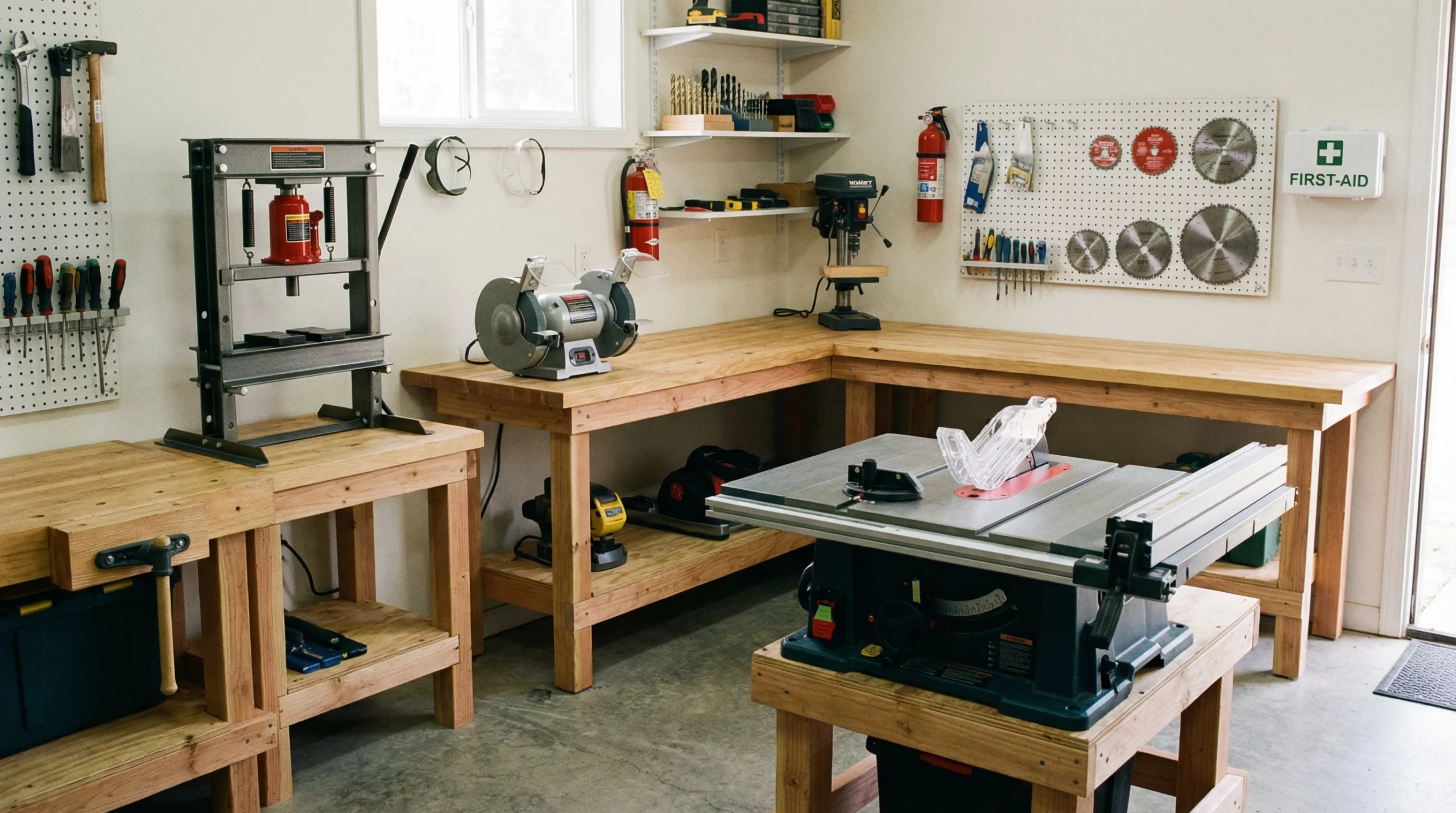
An efficient workshop layout quietly determines how smoothly production runs. Poor layouts increase unnecessary movement, create confusion, and amplify downtime during even minor disruptions.
Strategic planning of workshop design helps streamline workflow and minimize interruptions. Choosing reliable equipment that matches production needs rather than over- or under-specifying machines also plays a critical role. Reliable machines reduce breakdowns and unexpected stoppages.
Preventive maintenance should never be optional. Scheduled inspections, lubrication, calibration, and part replacement extend equipment life and prevent small issues from escalating into major failures.
Lean manufacturing principles further enhance efficiency by minimizing waste and optimizing movement. An organized workspace with clearly defined material flow reduces delays and supports consistent output.
Ergonomic equipment placement is often overlooked but highly impactful. When machines, tools, and materials align with natural worker movement, fatigue decreases, productivity rises, and errors decline keeping the production line moving smoothly.
The Human Factor: Building a Team That Prevents Downtime
Technology alone cannot eliminate downtime. Human error, skill gaps, and communication breakdowns are frequent contributors to production stoppages.
Comprehensive training programs ensure employees can handle routine operations and unexpected challenges confidently. Cross-training adds another layer of resilience, allowing workers to step into different roles when absences or demand spikes occur.
Industry organizations regularly emphasize that cross-trained teams are more adaptable and far less prone to operational disruptions.
Creating a culture of continuous improvement encourages employees to think beyond their immediate tasks. Regular review meetings, problem-solving discussions, and open communication help uncover weaknesses before they become costly downtime events.
A structured feedback loop between workers and management is essential. Employees closest to the machines often see issues first. Acting on their insights bridges the gap between shop-floor reality and management decisions.
Incentivizing practical, cost-effective improvement ideas further strengthens engagement. When employees feel heard and valued, they naturally take ownership of uptime, quality, and overall performance.
Small Changes, Big Impact: The Real Path to Less Downtime
Reducing downtime in small manufacturing operations is rarely about one dramatic fix. It’s about consistent attention to bottlenecks, smarter layouts, proactive maintenance, meaningful data, and empowered people.
When these elements work together, downtime shrinks, efficiency improves, and profitability follows—without overwhelming budgets or complex systems.
Next Recommended Article:
Sources & Further Reading
- Manufacturing.net – Workflow optimization and downtime reduction insights
- IndustryWeek.com – Workshop layout and lean manufacturing strategies
- SME.org (Society of Manufacturing Engineers) – Workforce training and cross-training resources
- Lean Enterprise Institute – Continuous improvement and lean manufacturing principles
Editorial Disclaimer
This content is for educational purposes only. Always follow manufacturer guidance and safety procedures.