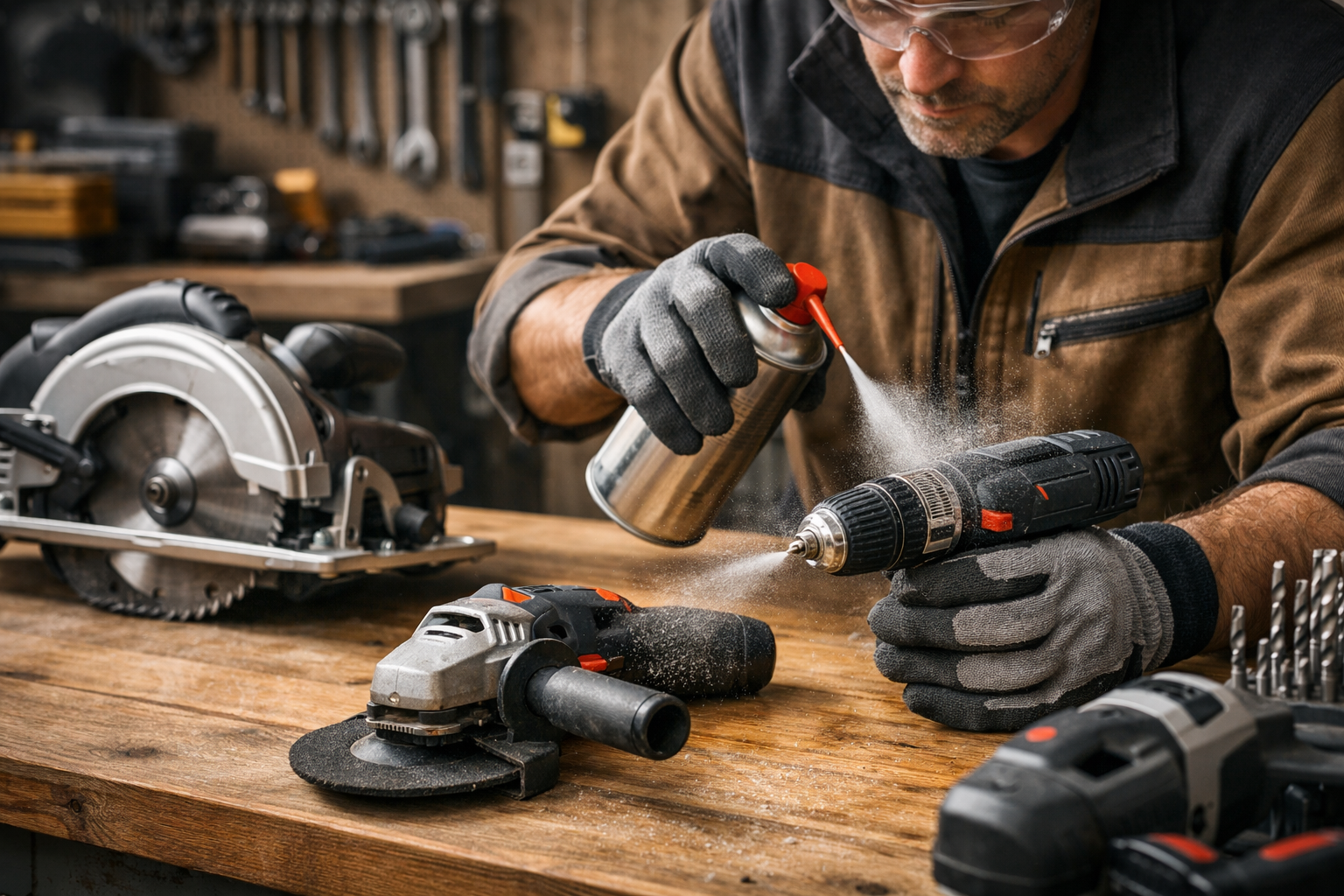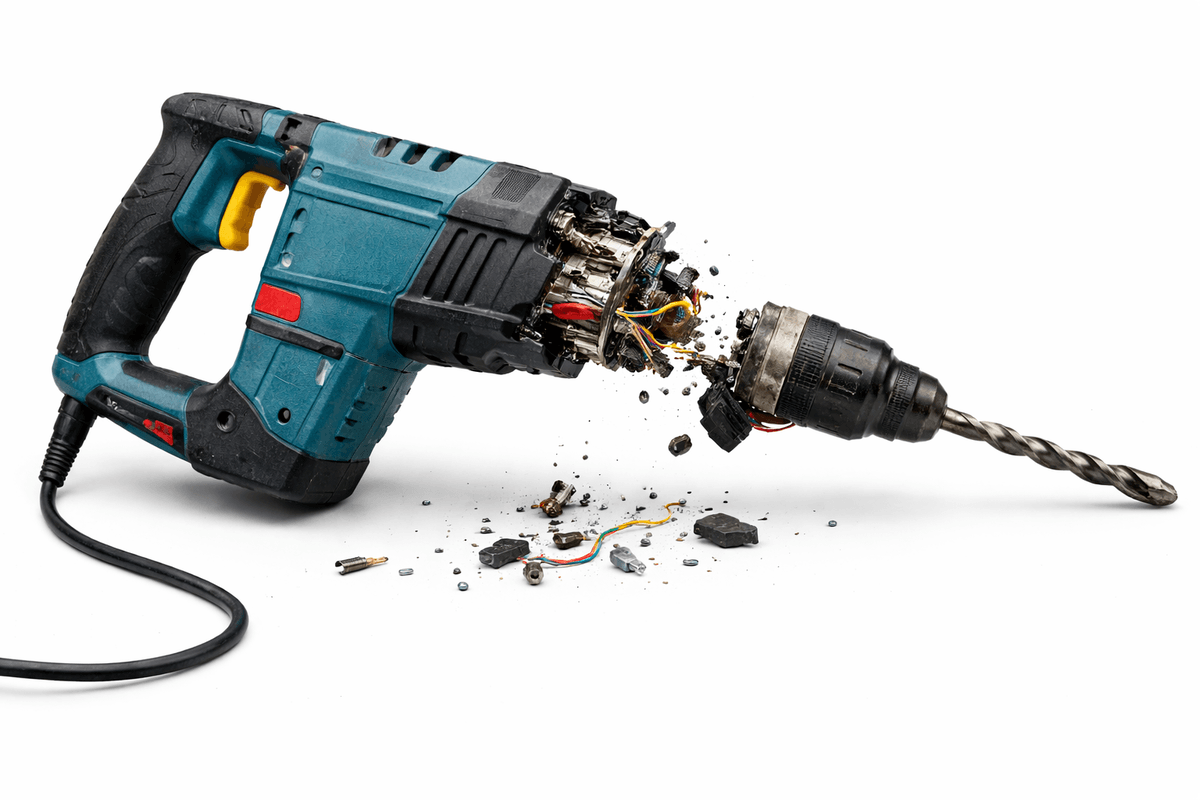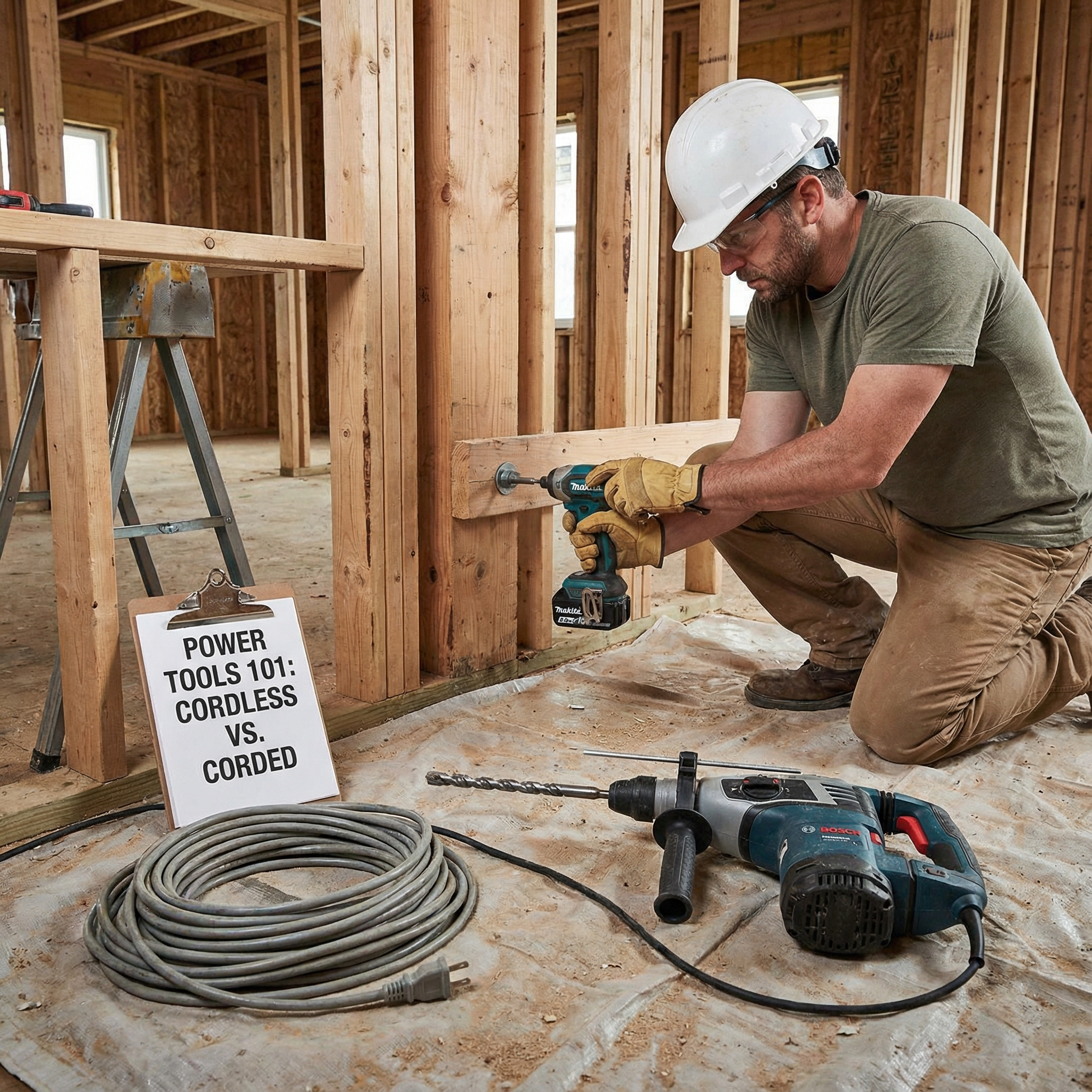
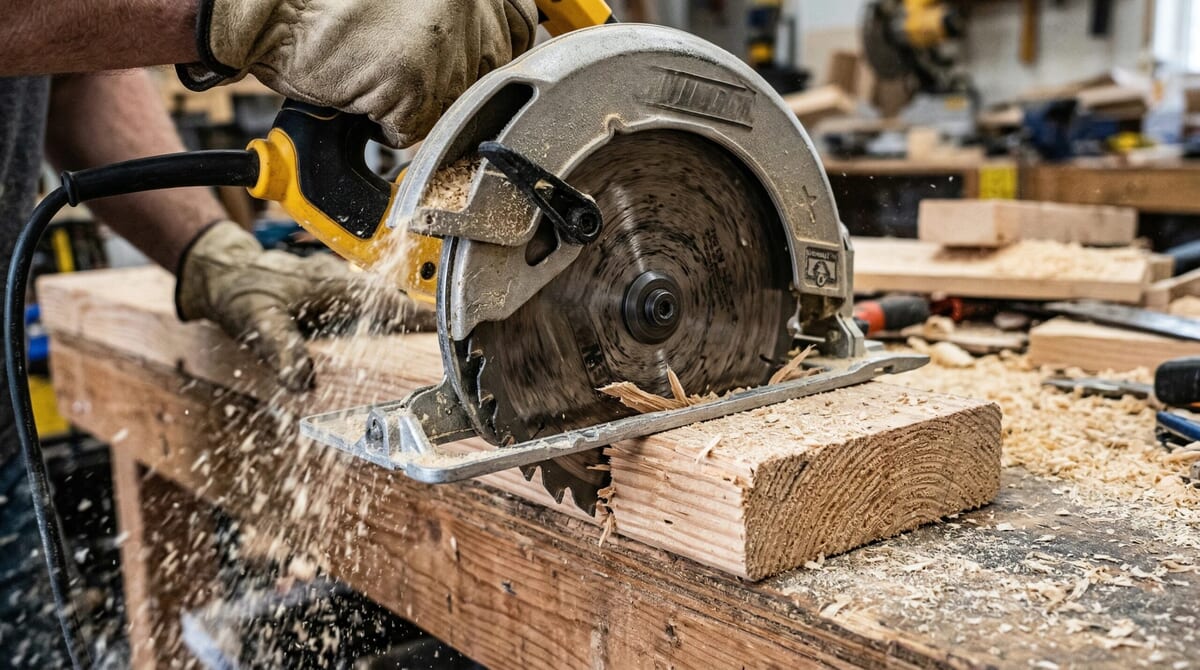
Power tools are a staple in workshops, construction sites, and home projects throughout the USA, Australia, and New Zealand. These tools help people get more done with less effort, but they also come with certain hazards. One hazard that stands out is power tool kickback, which can surprise even seasoned users, causing physical harm and damaging expensive equipment. That’s why it’s so important for anyone working with machinery to understand exactly what this force is, why it happens, and how to stay safe.
Understanding Power Tool Kickback
Power tool kickback happens when a tool suddenly changes direction with unexpected, violent force. This reaction can make the device jerk, twist, or even get pushed directly toward the operator. While any motorized equipment carries risks, sawing tools, angle grinders, routers, and chainsaws are the most likely to experience this specific problem.
The primary cause of this dangerous movement is a sudden stoppage or “snag” in the moving part. For example, a circular saw blade might get pinched in a piece of timber, or an angle grinder disc might catch on a hard knot or a hidden nail. When the tool’s blade or bit can no longer move freely through the material, rotational energy builds up instantly and is released as a physical thrust. This causes the tool or the workpiece to shoot back toward the user. Because this happens in milliseconds, even the most skilled professionals can underestimate the speed and strength of the impact.
Power Tools with the Most Kickback Risk
- Circular Saws: These can kick back if the blade gets stuck or twists in a tough spot.
- Chainsaws: If the tip of the bar touches wood, kickback can happen instantly, throwing the saw up or back.
- Table Saws: Pinched blades can shoot wood backward toward the person operating the machine.
- Angle Grinders: If the disc hits a hidden obstacle, it can wrench itself out of the operator’s grip.
- Routers: These tools can pull in an unexpected direction if their bit snags in the workpiece.
While many power tools can experience kickback, these are the ones that come up most often in safety guides for workers and hobbyists in the USA, Australia, and New Zealand.
Main Causes of Power Tool Kickback
Several things lead to kickback, and knowing about them can help people use power tools more safely.
- Pinched Blade or Bit: If material closes around the blade, it can bind and cause kickback.
- Wrong Cutting Angle: Cutting at a poor angle can stall or jam the tool.
- Dull or Unsuitable Tools: Dull blades require more force and are prone to snagging, and using the wrong blade for the job raises risk.
- Improper Support: Materials not held or clamped correctly can move, pinching the tool and creating kickback.
- Inconsistent Feed Rate: Pushing too fast or too slow can overload the tool.
- Lack of Control or Awareness: Losing concentration, using only one hand, or standing off-balance all reduce your ability to react.
- Defective Tools: Bent blades, chipped discs, or loose safety guards all increase danger.
Warning Signs Kickback Might Happen
Spotting warning signs early can keep accidents from happening. Some things to watch for include:
- The tool starts to struggle or slow down out of nowhere.
- The workpiece seems to pinch or trap the blade.
- Rough vibration or shaking is felt through the tool’s body.
- You notice a burning odor or excessive heat near the cutting point.
- Unusual noises come from the tool, such as squealing or chattering.
If you pick up on any of these signals, it’s smart to switch off the tool and look for blockages or snags right away.
Best Steps to Prevent Kickback
Avoiding kickback starts with safe work habits, the right technique, and regular upkeep of your equipment. Try these methods to help prevent accidents:
- Secure the Workpiece: Always clamp and hold materials tightly so they won’t shift or drop onto the blade.
- Choose Sharp, Suitable Tools: Change out blades and bits before they get too dull. Always pick the right blade for your task.
- Keep Safety Guards on: Never take off blade guards, riving knives, or other safety devices; they’re there to protect you.
- Stand to the Side: When working with tools like circular saws or table saws, don’t stand directly behind or in line with the blade; staying off to the side cuts your risk of injury.
- Use a Steady, Moderate Feed: Let the tool do the work by applying light, even pressure; don’t shove it through material or force it.
- Check for Obstacles: Before you start, look out for knots, nails, metal pieces, or foreign objects in your material, as these are common causes of sudden tool jams.
- Follow Manufacturer Instructions: The instructions give essential safety advice and tips for keeping your tools in great condition.
By following these steps, you’ll give yourself a better shot at preventing surprises while you work.
Worksite Best Practices for Avoiding Kickback
On building sites and in workshops across the USA, Australia, and New Zealand, these additional practices are taught as part of safety training:
- Keep your work area clean and uncluttered.
- Wear protective gear like safety glasses and gloves every time.
- Make sure there’s enough light so you can see clearly as you work.
- Don’t work alone when using especially risky tools. Have someone nearby if things go wrong.
- Map out your cuts and know your plan before powering up a tool.
These simple actions are often included in onboarding, apprenticeships, or workplace training sessions and follow the recommendations of groups like Safe Work Australia and OSHA.
Kickback Risk Differences Between Tools
Each tool type has its own particular risk factors. Chainsaws tend to kick back when the upper tip—called the “kickback zone”—hits wood, leading to a quick upward or backward snap. Circular saws might kick back as the blade binds near the end of a cut. Table saws are notorious for shooting wood directly back toward the user.
Knowing about these differences lets you adjust your work habits. For example, chainsaw operators are trained to keep the tip away from the wood, while table saw users employ push sticks to keep hands and bodies out of danger zones.
Tool Design and Technology That Step Up Safety
Tool manufacturers in Europe, the USA, and Australia strive to make power tools safer, introducing:
- Riving knives or splitters on table saws to keep wood pieces apart, preventing blade pinching.
- Anti-kickback clutches in grinders that cut motor power as soon as a jam is detected.
- Modern saws with electronic sensors that detect binding and immediately shut things off.
- Chainsaws with chain brakes, halting the blade instantly if kickback triggers.
Choosing newer equipment or upgrading older ones with these features is one way to give extra protection, especially for worksites with more novice users.
If Kickback Happens, What Should You Do?
Even with preparation, kickback can still catch you off guard. If it does, these steps can help to prevent injuries:
- Hold the tool firmly but don’t fight too hard against it. If it’s out of control, let it go.
- Step back from the area where the tool or material could end up.
- Turn off the tool and unplug or disconnect it before looking for the problem.
- Look over the equipment for damage. Replace broken parts before trying again.
After a kickback event, take a moment to think about what happened and adjust your setup or methods to lower the risk for next time. Make tweaks to tool maintenance, workspace arrangement, and your technique based on your observations.
Frequently Asked Questions
Question: Why do new users face more kickback problems with power tools?
Answer: Beginners make common mistakes such as running material through at the wrong speed, standing in risky spots, or using dull equipment. Guided training and practice go a long way to lowering these risks.
Question: Can kickback accidents always be avoided?
Answer: Not every single incident can be stopped, but most kickback situations are preventable by following smart habits, keeping tools in good shape, and wearing proper safety gear.
Question: Is kickback more likely with certain types of wood?
Answer: Hardwoods, timber with hidden knots, or pieces that are extra moist increase the odds that the blade will get pinched or stuck. Always take a good look at your materials before getting started.
Main Takeaways for Safer Power Tool Use
Kickback is a widespread hazard with power tools, but you can dodge most trouble by following basic safety habits. Applying good work practices, staying alert to warning signs, and using equipment with the latest kickback-prevention technology all make power tool use safer at any skill level. Training, keeping your tools in top shape, and using the right protective gear shrink the risk of unexpected tool movements and injury. These safety tips stand strong whether you’re tackling tasks at home or working as part of a team in the USA, Australia, New Zealand, or Europe.
Next Recommended Article : RPM vs Cutting Speed in Power Tools: Why It Matters More Than You Think
International References:
1. U.S. Occupational Safety and Health Administration (OSHA) – “Hand and Power Tool Safety”
2. Safe Work Australia – “Managing Risks of Plant in the Workplace”
3. WorkSafe New Zealand – “Using Portable Power Tools Safely”
4. European Agency for Safety and Health at Work – “Safe Use of Tools”
5. ANSI OSA B11 Standards for Machine Safety
Editorial Disclaimer
This article is for educational purposes only, and readers should always refer to the manufacturer’s official specifications and safety guidelines for exact application requirements.