What tools every construction beginner should own: A Professional’s Guide to a Foundation Kit
Starting a career in construction is an exercise in building both physical structures and a personal reputation. In the trades, your reputation is often inextricably linked to your tools.
While it is tempting for a beginner to rush out and purchase the most expensive “pro” kits advertised in big-box retailers, a seasoned approach suggests a more calculated investment strategy.
The goal for any newcomer in Australia, New Zealand, or the United States should be to acquire a kit that balances durability, ergonomics, and versatility.
This guide outlines the essential tools required to transition from a novice to a productive member of a site crew, focusing on the standards and preferences that define the industry across these primary regions, with a nod to the engineering excellence often imported from the European market.
-
The Philosophy of “Buy Once, Cry Once”
In construction, the cheapest tool often becomes the most expensive. A budget-grade tape measure that kinks after a week or a hammer with poor vibration dampening that leads to early-onset tendonitis represents a false economy.
The professional mindset is to invest in quality “foundation tools” that will last a decade or more.
When selecting tools, one must consider the regional requirements. For instance, a beginner in the USA must be proficient in Imperial measurements, while those in Australia and New Zealand operate exclusively in Metric.
However, many professionals across all three regions prefer “dual-scale” tapes for international projects or when working with specialized European fittings.
-
Personal Protective Equipment (PPE): The Non-Negotiables
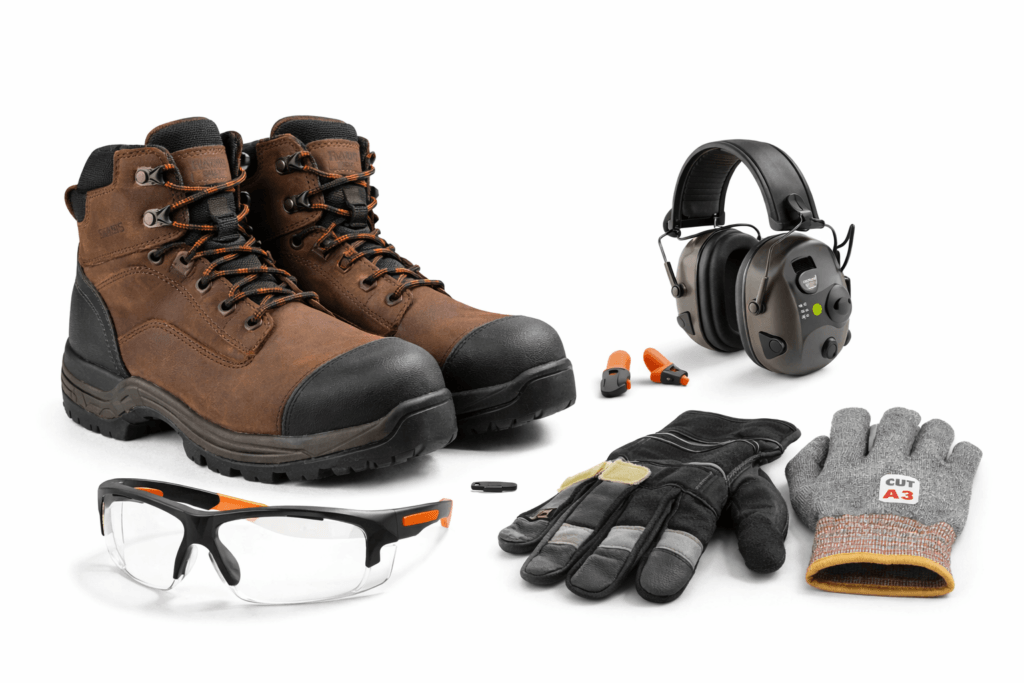
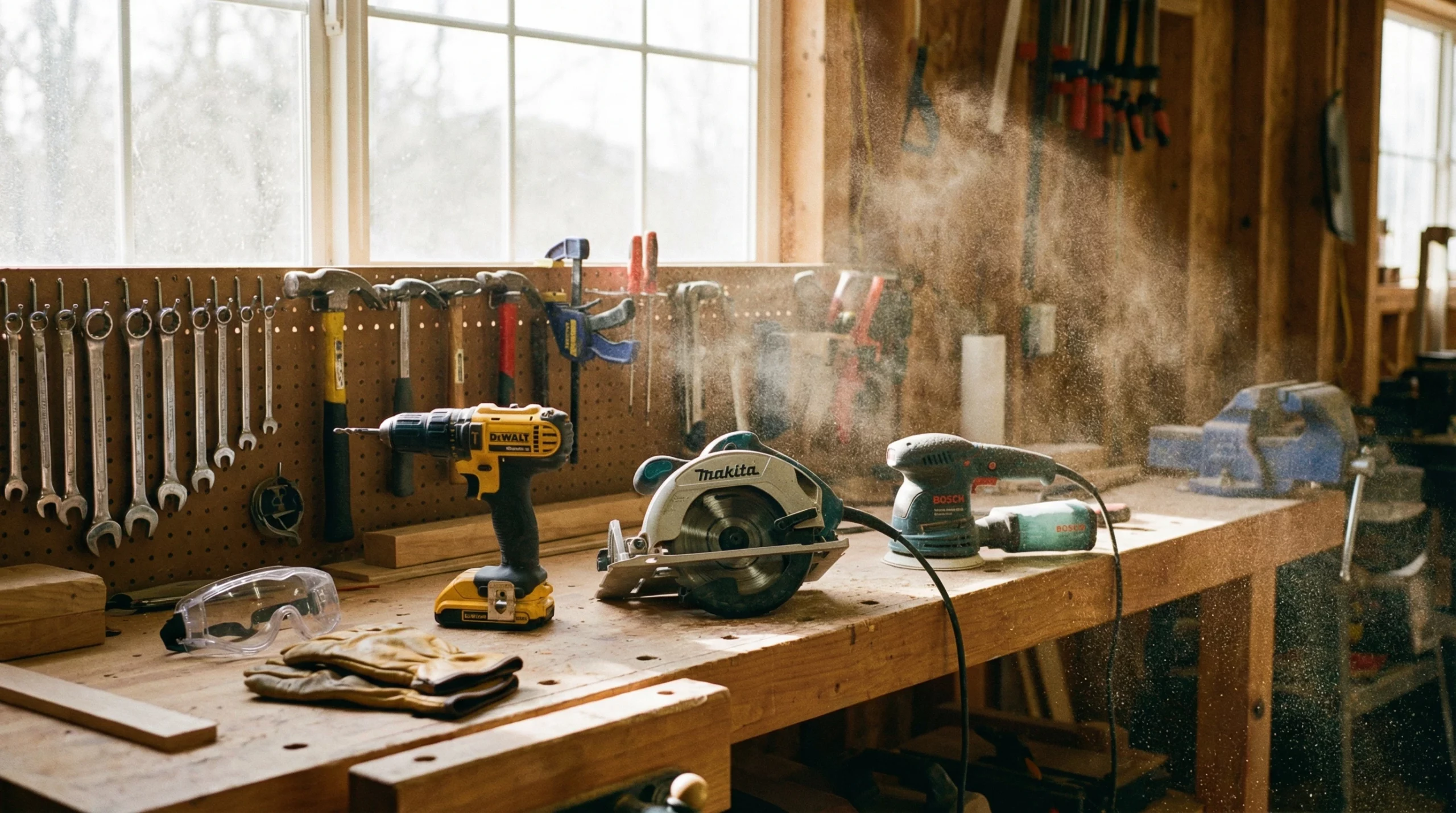
Before a single tool is drawn from a bag, safety gear must be established. This is not merely a regulatory hurdle from OSHA (USA) or WorkSafe (AU/NZ); it is a career-preservation strategy.
- Footwear: In the USA, ASTM F2413-18 is the standard to look for. In Australasia, AS/NZS 2210.3 is the benchmark. A beginner should look for steel or composite toe caps with a high-quality shank for arch support, as you will likely be on your feet for 10 to 12 hours a day.
- Eye and Hearing Protection: High-impact rated safety glasses are mandatory. For hearing, consider “active” earplugs or muffs that allow for communication while suppressing impulse noises from nail guns or saws.
- Hand Protection: Modern construction requires specialized gloves. A general-purpose “mechanic-style” glove with high tactile feedback is essential for handling fasteners, while cut-resistant gloves (Level A3 or higher) are necessary when handling flashing or glass.
-
The Core Hand Tools: The Foundation of the Kit
The Tape Measure
The tape measure is the most used tool on any site. In the USA, a 25-foot “FatMax” style tape is the industry standard due to its “stand-out”—the distance the blade can extend before buckling. In Australia and New Zealand, an 8-meter metric tape is the equivalent. Beginners should look for a tape with a wide blade and a high-visibility coating. European influences, such as the German-made Stabila tapes, are also highly regarded for their precision and “Class I” or “Class II” accuracy ratings.
The Hammer
Selecting a hammer is a personal decision involving weight and balance. While many beginners reach for a heavy 22oz framing hammer, a 16oz to 20oz smooth-faced or milled-faced hammer with a rip claw is more versatile. In North America, Estwing is a staple for its steel-forged durability. In the Southern Hemisphere, wood-handled or titanium-headed hammers (like those from Stiletto) are popular for their ability to reduce the shock of impact—a critical factor for long-term joint health.
Levels and Squares
Accuracy is the hallmark of a professional. A 12-inch (300mm) combination square is essential for marking 90-degree and 45-degree angles. For levels, the European influence is dominant. Stabila (Germany) is the gold standard globally due to their fixed vials that do not require recalibration. A beginner should start with a “torpedo” level for tight spaces and a 24-inch (600mm) level for general layout.
Utility Knives and Marking Tools
A retractable utility knife with a quick-change blade mechanism is a daily necessity. Complement this with a variety of marking tools: traditional carpenter pencils for timber, fine-tip permanent markers for metal and PVC, and a high-quality chalk line (like the Tajima from Japan) for long-distance layouts.
-
The Power Tool Ecosystem
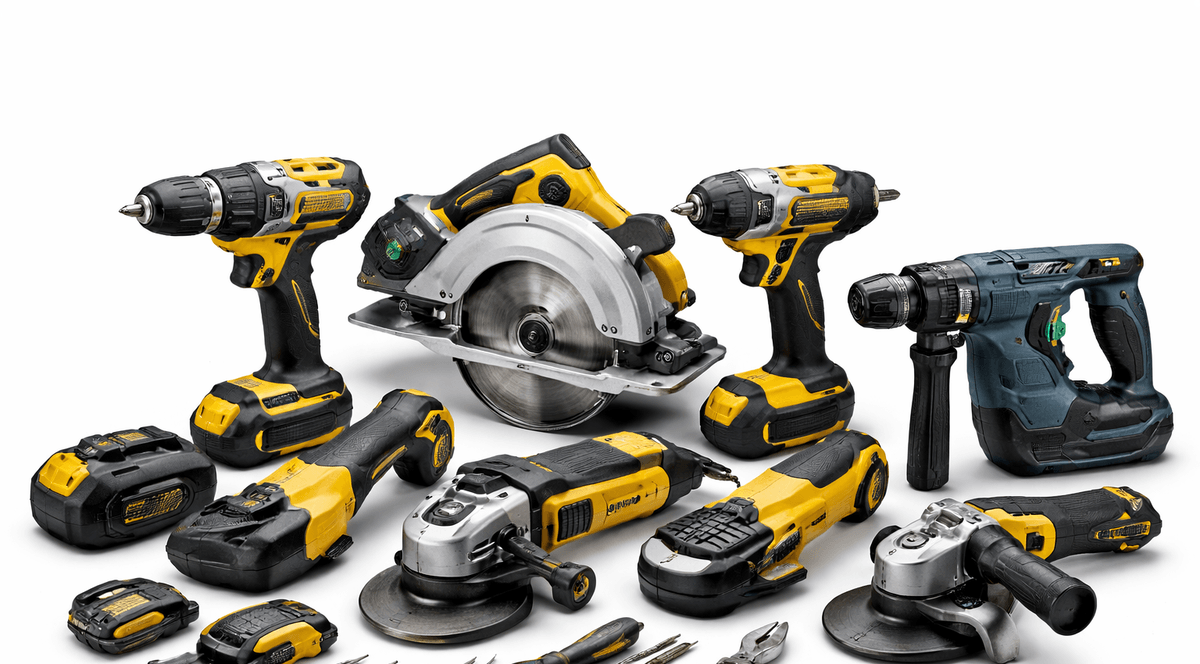
The modern construction site is cordless. The most critical decision a beginner makes is choosing a battery platform (e.g., Milwaukee, Makita, DeWalt). Once you commit to a brand, you are largely “locked in” due to the cost of batteries.
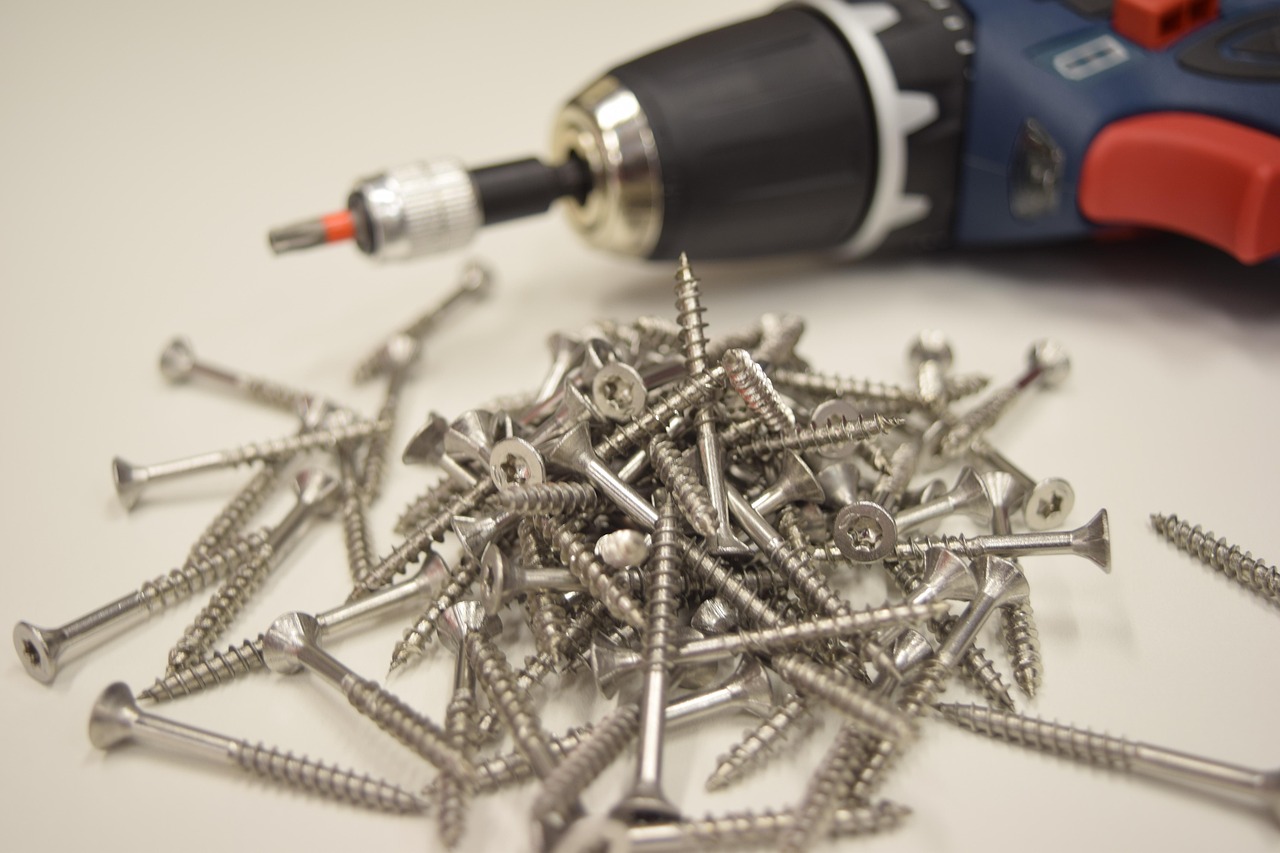
- The Impact Driver: Unlike a traditional drill, an impact driver uses rotational force and concussive blows to drive large fasteners into dense materials without stripping the heads. It is arguably the most essential power tool in the modern kit.
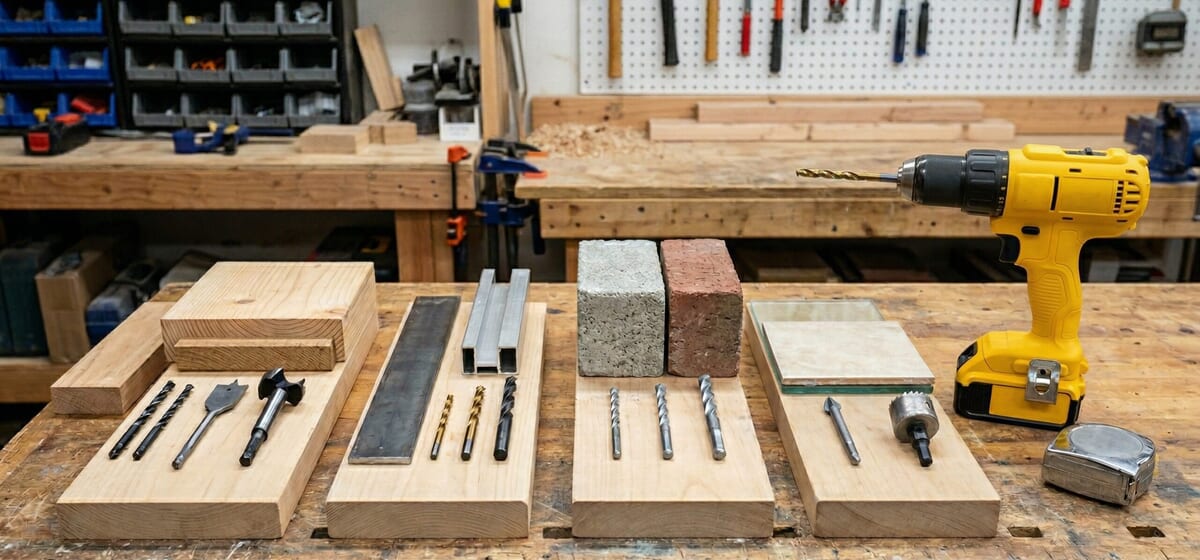
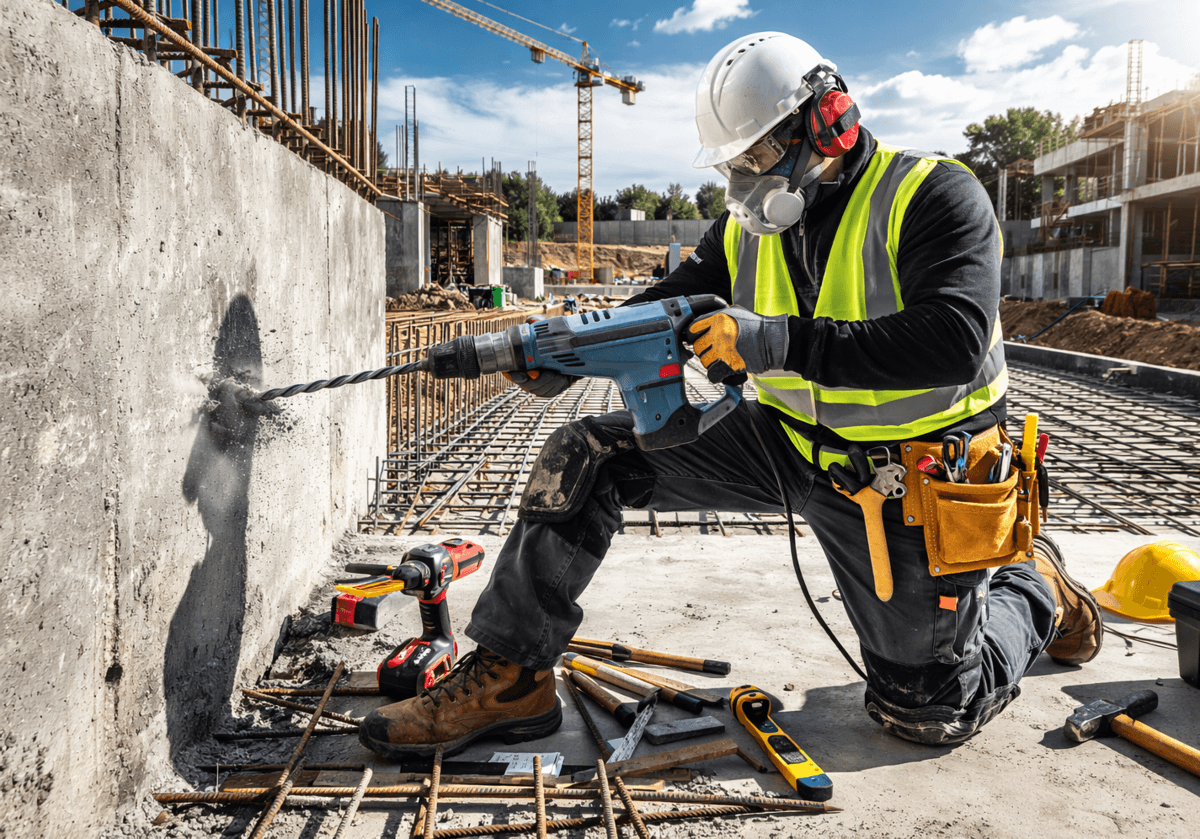
- The Hammer Drill/Driver: This is used for drilling holes in timber, metal, and—thanks to the hammer function—masonry. Look for a “brushless” motor, which offers more torque and longer battery life than older “brushed” models.
- The Circular Saw: In the USA, “worm-drive” or rear-handle saws are often preferred for their torque and line-of-sight. In Australia and New Zealand, sidewinder (top-handle) saws are more common. Regardless of the style, a 7-1/4 inch (184mm) cordless saw is the standard.
-
Specialty Hand Tools for the Beginner
As one progresses, several smaller tools become indispensable:
- Pliers: A pair of “Linesman” pliers and a set of adjustable “Channellock” or Knipex (German-engineered) water-pump pliers. These are used for everything from pulling nails to tightening bolts and gripping stubborn materials.
- Screwdriver Set: Even with an impact driver, a manual multi-bit screwdriver is necessary for delicate work where power tools might over-torque a fastener.
- Chisels: A basic set of three wood chisels (1/2″, 3/4″, and 1″). These should be kept sharp and used only for wood—never as a pry bar.
-
Tool Storage and Mobility
How you transport your tools reflects your professionalism. A disorganized “bucket” of tools leads to wasted time and lost equipment.
- The Tool Bag: Heavy-duty polyester or leather bags are the norm. Brands like Veto Pro Pac have become a global favorite for their vertical tiering system, which allows you to see every tool at a glance.
- Modular Storage: For those in the USA and Australasia, modular “stacking” systems like the Milwaukee Packout or DeWalt Tough System are revolutionizing site mobility. These systems allow you to roll your entire kit onto the site and keep it protected from the elements.
-
Regional Considerations and Voltage
It is worth noting that for power tools, the USA operates on a 110V/120V system, while Australia, New Zealand, and Europe use 230V/240V. While this matters less for cordless tools, it is vital for chargers and any corded “legacy” tools. A beginner traveling between these regions must ensure their chargers are dual-voltage or risk destroying their batteries. Furthermore, the European focus on Dust Extraction (HEPA) is rapidly becoming a standard in the USA and Australia. Investing in a tool-compatible vacuum is no longer an “extra”—it is a health requirement for anyone working with concrete, MDF, or fiber cement.
-
Maintenance: The Mark of a Pro
An experienced tradesperson treats their tools with respect. This means:
- Wiping down steel tools with a light oil to prevent rust, especially in the humid coastal climates of Queensland or the Pacific Northwest.
- Checking the “true” of your levels and squares weekly.
- Sharpening chisels and replacing dull saw blades immediately. A dull tool is a dangerous tool.
Short Summary
Starting in construction can feel overwhelming because of the number of tools available, but most productive sites rely on a small group of essential equipment that covers the majority of daily tasks. In my experience and from regular discussions with site supervisors and tool suppliers, beginners perform best when they focus on reliability, safety, and versatility rather than chasing specialized tools too early.
A quality cordless drill or driver is usually the first investment because it handles drilling, fastening, and light installation work across many trades. An angle grinder supports cutting, surface cleanup, and material preparation when used with the correct discs. Measuring tools such as a tape measure, level, and marking tools ensure accuracy and reduce costly rework. These tools form the core of everyday productivity on most job sites.
Power drill
Angle grinder
Measuring tools
PPE
Hand tools
Storage basics
Personal protective equipment should never be treated as optional. Safety glasses or face shields protect against flying debris, hearing protection limits long-term noise exposure, and gloves support safe material handling and tool control. Proper footwear and high-visibility clothing also improve site awareness and reduce injury risk in busy environments.
Basic hand tools still play a major role in construction efficiency. Hammers, screwdrivers, adjustable spanners, and utility knives allow fast adjustments without constantly switching power tools. A sturdy tool bag or toolbox keeps equipment organized, reduces damage, and saves time during task changes.
Battery management is another overlooked area for beginners. Matching tools within the same battery platform simplifies charging logistics and lowers long-term cost. Storing batteries properly and avoiding deep discharge improves lifespan and reliability. Starting with a focused set of dependable tools builds confidence, improves workflow, and allows gradual expansion as skills and job requirements grow.
In my experience and in accordance with construction safety guidance from the CPWR Hand Tools Handbook, selecting the right basic tools from hand tools to power tools and using them correctly significantly improves productivity and reduces injury risk for new construction workers.
Conclusion
Building a tool kit is a journey of refinement. As a beginner, your focus should be on the “Big Three” of hand tools (Measure, Hammer, Level) and a solid cordless power tool platform. By adhering to the technical standards of your region whether it is the ANSI standards in America or the AS/NZS codes in the Pacific you ensure that your work is not only accurate but professional. Your tools are an extension of your hands; choose them wisely, maintain them meticulously, and they will support your career for decades to come.
Technical and International Standard References
- ISO 6789:2017 – Assembly tools for screws and nuts: This international standard specifies the requirements for traceable calibration and performance testing of hand torque tools. While beginners may not use torque wrenches daily, understanding the ISO standard for tool accuracy is vital for precision assembly and structural integrity.
- AS/NZS 3760:2022 – In-service safety inspection and testing of electrical equipment: This is the primary standard used in Australia and New Zealand for “Test and Tag” procedures. It is essential for any beginner to understand these requirements, as most commercial sites will not allow a power tool (or its charger) to be used without a current safety tag.
- ANSI/ISEA Z89.1-2014 (R2019) – Industrial Head Protection: This American National Standard establishes the performance and testing requirements for industrial helmets. It classifies helmets by type (impact direction) and class (electrical insulation), providing the technical baseline for head safety that is mirrored by equivalent standards in Europe (EN 397) and Australasia (AS/NZS 1801).
Sources & Further Reading:
- CPWR : Hand Tools Handbook (Construction Safety & Health Guidance): Official CPWR guidance on the safe selection and use of basic construction hand and power tools, emphasizing ergonomic and correct tool choice.
- Autodesk : 60 Common Construction Tools: Detailed industry list of essential tools used across trades, from basic hand tools to power and specialty tools
To keep your learning momentum going, check out the next recommended article it connects perfectly with what you’ve just read:
Editorial Disclaimer
This article is for educational purposes only, and readers should always refer to the manufacturer’s official specifications and safety guidelines for exact application requirements.