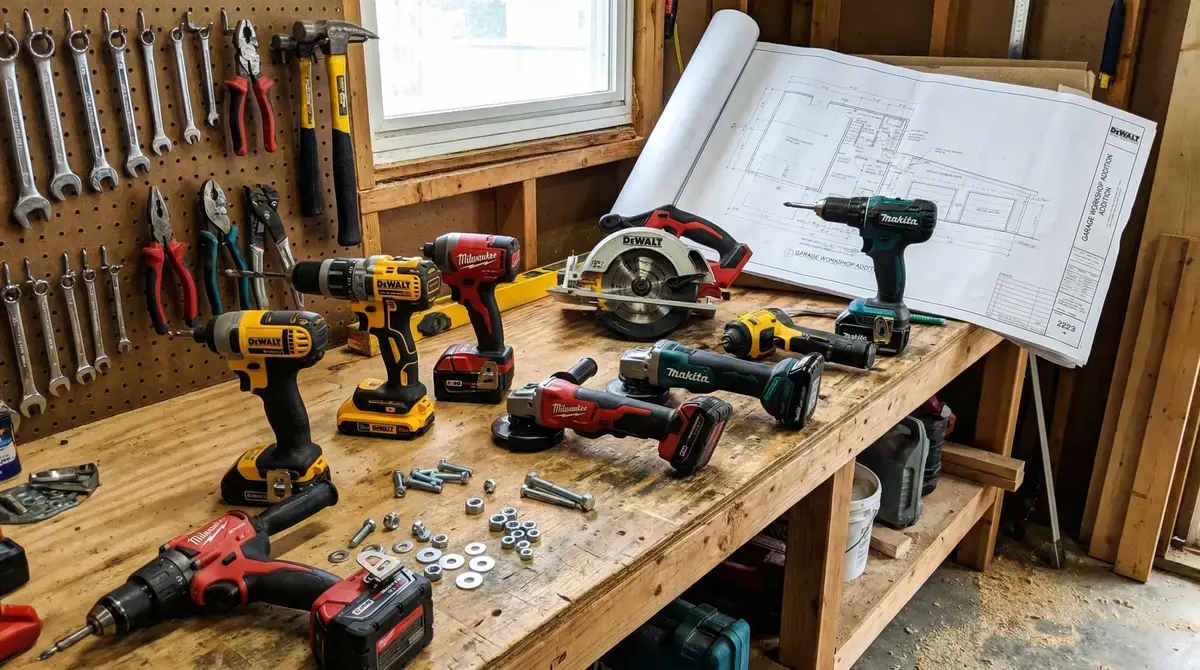
Understanding torque RPM and voltage in power tools helps users see how technical specifications translate into real jobsite performance. Power tool specifications can look impressive on packaging, yet many users are unsure how these numbers influence drilling, cutting, and fastening under sustained load. In many cases, tools underperform or fail not because of manufacturing defects but due to incorrect matching of specifications to the task. Knowing how torque, speed, voltage, and duty cycle work together makes it easier to select tools that deliver reliable performance, better control, and longer service life in real working conditions.
Understanding Power Tool Specifications (Torque, RPM, Voltage, Duty Cycle)
Power tools come with a long list of specifications, but the three numbers that matter most for contractors are torque, RPM, and voltage. These specs determine how a tool performs under load, how fast it works, and what materials it can handle. Whether you’re drilling into concrete, cutting metal, or fastening structural components, understanding these measurements helps you choose the right tool for the job and avoid overspending on features you don’t need.
This guide breaks down each specification in simple terms and explains how they work together on real construction sites.
1. What Is Torque?
Torque is the rotational force a tool produces. In simple terms, torque determines how easily a drill or driver can turn a bit through tough materials. Higher torque supports structural fastening and drilling in harder substrates, but uncontrolled torque can cause bit slip, fastener damage, or wrist strain. Practical torque delivery depends heavily on gearbox design and electronic control rather than headline numbers alone.
Why torque matters
- High torque = more power for dense materials
- Low torque = better control for soft materials
- Essential for drilling concrete, metal, hardwood
- Critical for driving long screws or bolts
Where torque is used most
- Framing
- Decking
- Metal fabrication
- Masonry drilling
Torque is one of the most important performance indicators for drills and impact drivers.
Explore torque basics
2. What Is RPM (Revolutions Per Minute)?
RPM measures how fast the drill spins. Most contractor‑grade drills offer two speed settings: Higher RPM supports clean cutting in softer materials, while lower RPM with higher torque prevents overheating and excessive wear in metals and dense materials. Matching RPM to bit diameter and material reduces vibration and improves tool stability.
- Low RPM → high torque, more control
- High RPM → fast drilling in softer materials
Why RPM matters
- High RPM improves drilling speed
- Low RPM prevents bit burn‑out
- Helps match the tool to the material
Examples
- Drilling into pine → high RPM
- Drilling into steel → low RPM
- Drilling into concrete → low RPM + hammer action
Explore RPM performance
3. What Is Voltage?
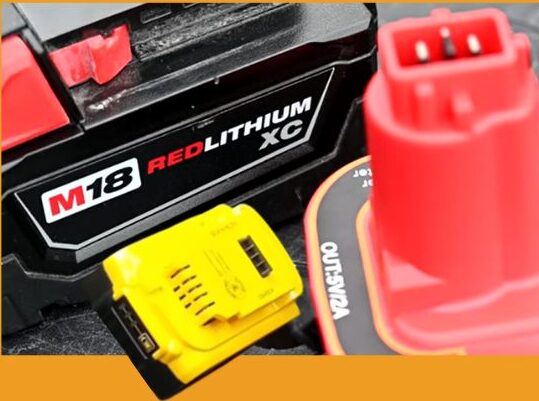
Voltage represents the power capacity of a cordless tool’s battery system. Voltage and battery capacity influence runtime and power availability rather than absolute strength. Higher voltage platforms allow motors to operate more efficiently under load, while battery amp-hour ratings determine how long the tool can run before recharging. Consistency within one battery platform simplifies logistics and lowers long-term operating cost.
Common voltage levels
- 12V → light‑duty tasks
- 18V/20V → standard for construction
- 36V+ → heavy‑duty, specialty tools
Why voltage matters
- Higher voltage = more power
- Larger batteries = longer runtime
- Impacts tool weight and balance
Voltage is especially important when comparing cordless platforms across brands.
Explore voltage differences
4. How Torque, RPM, and Voltage Work Together
These three specs don’t work in isolation they influence each other.
High torque + low RPM
- Best for drilling dense materials
- Ideal for metal and masonry
High RPM + medium torque
- Best for fast drilling in wood
- Ideal for framing and general construction
High voltage + high torque
- Best for heavy‑duty tasks
- Often found in premium cordless tools
Understanding how these specs interact helps you choose the right tool for each job.
Explore power tool performance
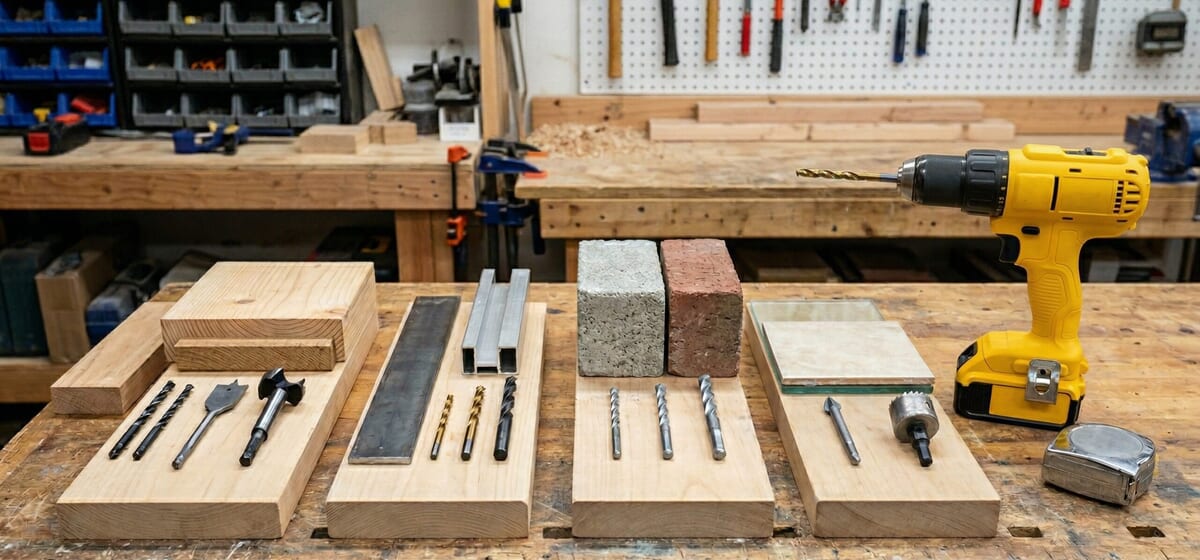
5. Matching Specs to Construction Tasks
Concrete & Masonry
- High torque
- Low RPM
- Hammer drill recommended
Metal Fabrication
- High torque
- Low RPM
- Cobalt bits required
Framing & Carpentry
- Medium torque
- High RPM
- 18V cordless drill ideal
General Contracting
- Balanced torque
- 2‑speed gearbox
- Brushless motor preferred
Explore job‑specific tool choices
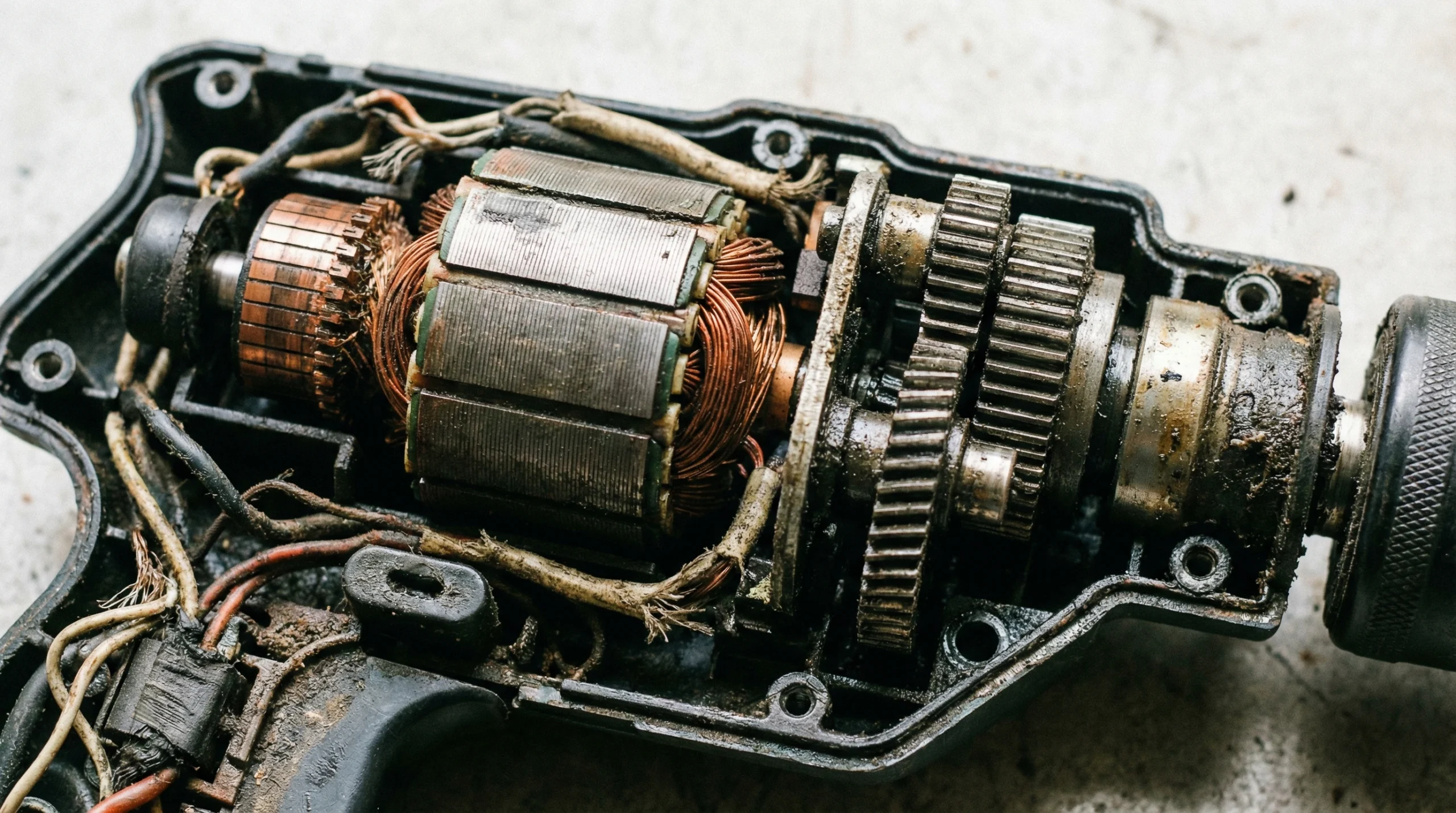
6.Duty cycle and thermal management are rarely listed clearly but directly impact durability.
Continuous heavy loading generates heat that degrades motor windings, electronics, and gear lubrication over time. Tools designed with better cooling paths, metal gear housings, and overload protection typically deliver longer service life.
Understanding how these specifications interact allows operators to select tools that perform reliably under real workloads instead of chasing marketing-driven numbers.
According to OSHA’s power tool standards, power-operated hand tools are regulated for safe use in construction environments, which underscores why understanding key specifications such as torque, RPM, and voltage is important when selecting and operating tools on site.
7. US vs AU Market Differences
United States
- 20V MAX platforms common
- Popular brands: DeWalt, Milwaukee, Makita
- Wide availability of brushless tools
Australia
- 18V platforms dominate
- Popular brands: Makita, Ryobi, DeWalt
- Bunnings is the primary retailer
Explore regional tool differences
8. Safety Considerations
Specs matter but safety matters more.
Look for tools with:
- Anti‑kickback control
- Overload protection
- Rubberized grip
- LED work light
- Side handle for high‑torque drilling
Explore power tool safety
In examining manufacturer specifications like those published for DEWALT professional drills, voltage ratings and RPM ranges are clearly presented as primary performance indicators that help contractors match tools to the demands of construction work.
Final Thoughts
Torque, RPM, and voltage are the three specs that define how a power tool performs. Once you understand how they work together, choosing the right drill or driver becomes much easier and you’ll avoid buying tools that are either underpowered or unnecessarily heavy.
Sources & Further Reading
- General torque and RPM explanations from industry tool guides
- Drill specification comparisons from contractor tool resources
To keep your learning momentum going, check out the next recommended article it connects perfectly with what you’ve just read.
- How to Choose the Right Power Drill for Construction Work
- Cordless vs Corded Tools: What Small Contractors Should Know
Editorial Disclaimer
This article is for educational purposes only, and readers should always refer to the manufacturer’s official specifications and safety guidelines for exact application requirements.