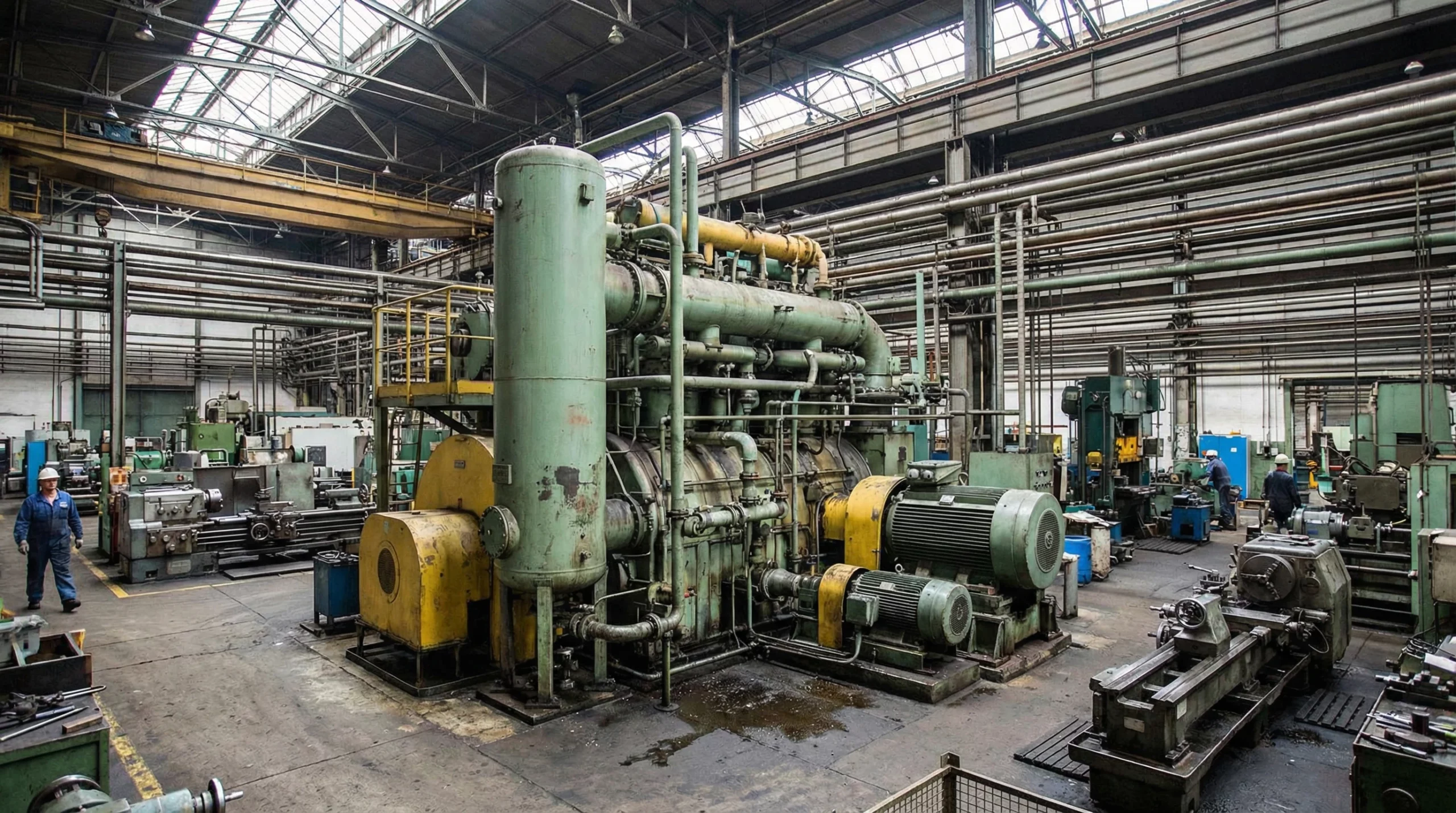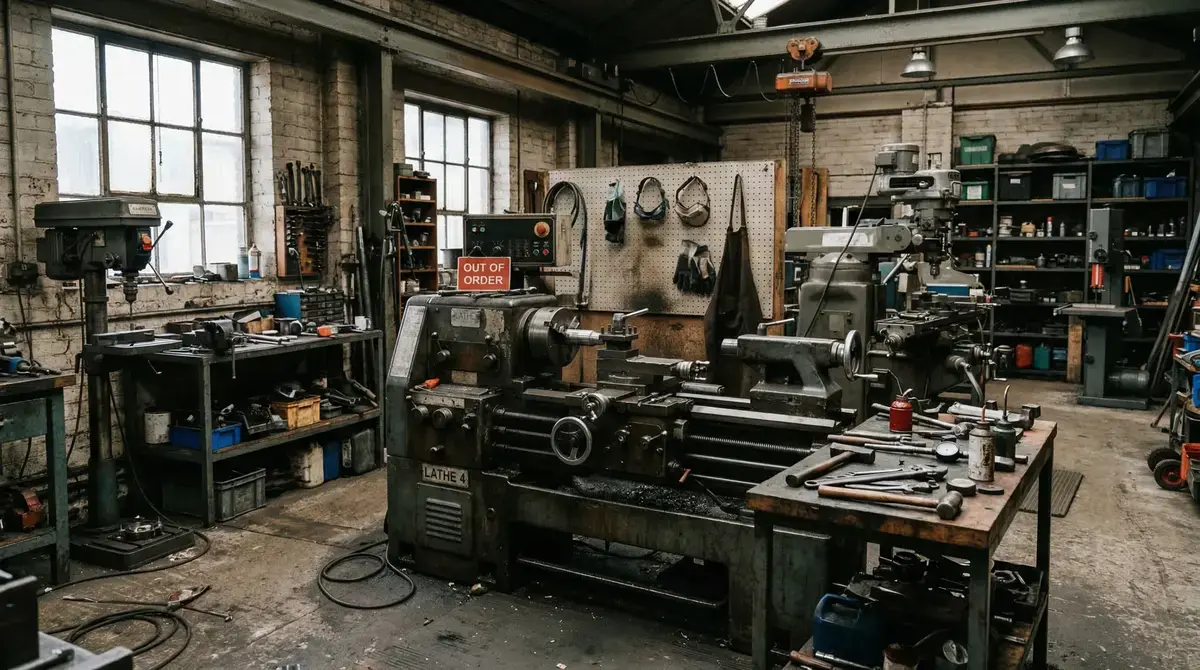

Buying workshop machines is a major decision because the wrong choice can create years of downtime, safety issues, and unexpected costs. What to check before purchasing workshop machines is not only about brand reputation or advertised specifications it is about confirming that the equipment fits your power supply, safety requirements, available floor space, and long-term operating needs. Many workshops focus on purchase price and headline features, then discover later that the machine requires three-phase power they do not have, produces noise or dust levels that need extra controls, or needs clearance space that the layout cannot support. Others run into problems when spare parts are slow to source, service technicians are not available locally, or warranty coverage is limited once the machine is installed.
A smart evaluation checks electrical compatibility, safety compliance, after-sales support, and parts availability before money changes hands, because these factors determine how reliable the machine will be in real production or maintenance use. It also means looking beyond the machine itself and considering the “system” around it: the quality of your workshop wiring, whether the floor can handle the machine’s weight and vibration, whether extraction or ventilation is needed, and how material will be loaded, clamped, and removed safely. Operating costs matter too.
Two machines that appear similar can differ significantly in energy consumption, duty cycle capability, and long-term maintenance needs, which affects monthly running costs and overall return on investment. Training and ease of use should be included in the decision as well, especially for small teams, because a machine that is difficult to set up, poorly documented, or dependent on proprietary software can slow production and increase mistakes. Finally, the purchase should support future growth: machines that allow upgrades, accept standard tooling, and integrate with common workflows tend to stay useful for years, while limited or closed systems can become bottlenecks as demand increases.
A careful checklist approach reduces risk, improves productivity, and ensures the machine performs consistently in real workshop conditions rather than only looking good on paper.
Global Sourcing Checklist for Workshop Machines
1.Electrical Compatibility
- Confirm voltage requirements (USA: 110–120V / 208–240V; AU/NZ/India: 220–240V).
- Check phase requirements (single‑phase vs three‑phase).
- Ensure plugs, sockets, and wiring meet local electrical codes.
2. Certifications & Safety Standards
- Look for CE,UL, CSA, ISO, or local compliance marks.
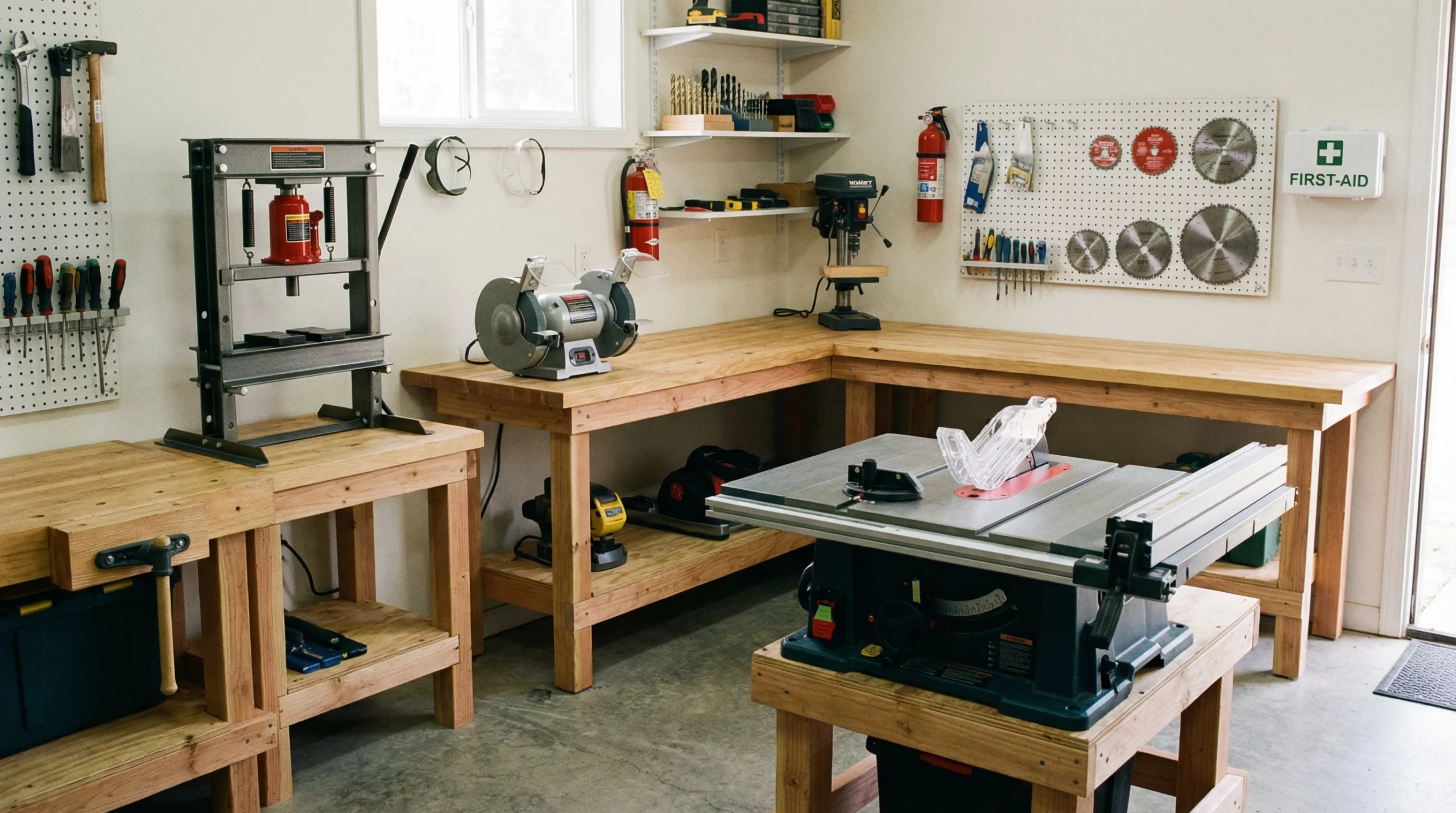
- Verify machine guards, emergency stops, and safety interlocks.
- Ensure dust, fume, or noise levels meet local workplace regulations.
3. After‑Sales Support
- Confirm availability of local service technicians.
- Check warranty terms (parts, labor, on‑site support).
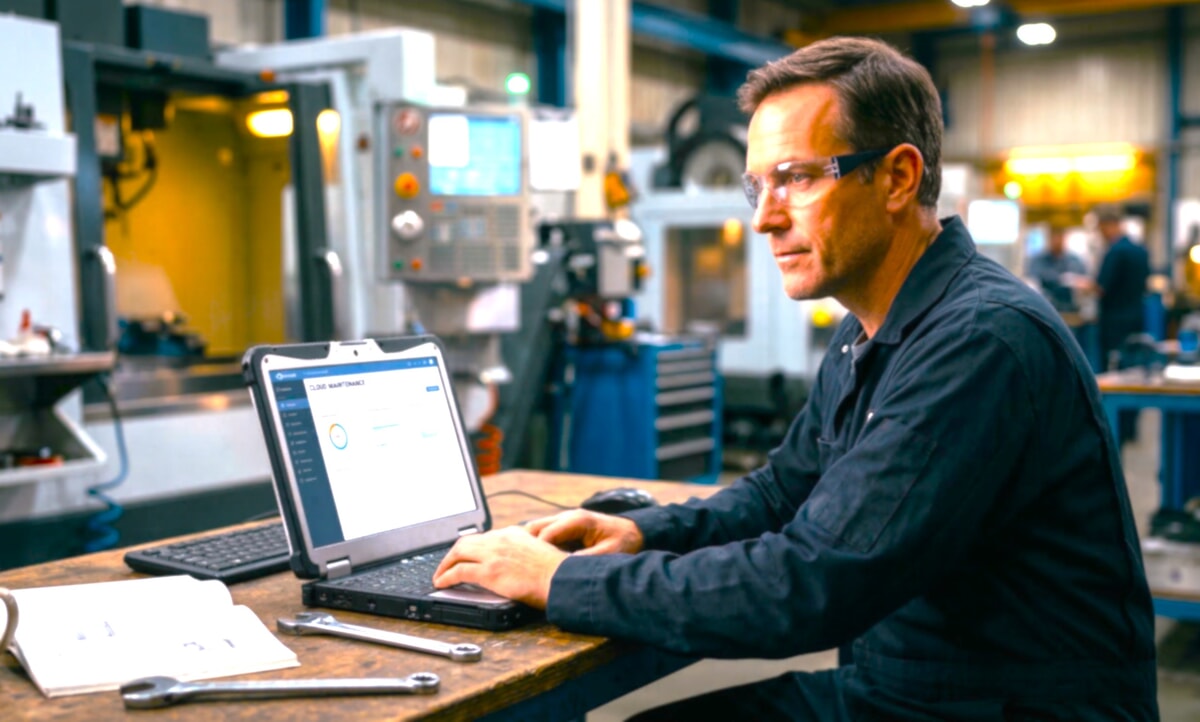
- Ask about remote diagnostics or online support options.
4. Spare Parts Availability
- Ensure common wear parts (belts, bearings, blades, filters) are easy to source.
- Prefer brands with regional warehouses or authorized distributors.
- Avoid machines with proprietary parts that require long lead times.
5. Shipping, Customs & Import Duties
- Compare local dealers vs direct imports.
- Factor in freight, customs clearance, and GST/VAT.
- For imported machines, confirm packaging quality and insurance.
6. Machine Footprint & Space Planning
- Measure machine dimensions including clearance for operation and maintenance.
- Check weight limits for floors, benches, or mezzanines.
- Ensure airflow, dust extraction, and noise control are feasible.
7. Power Consumption & Operating Costs
- Review motor wattage, compressor duty cycles, or heater loads.
- Estimate monthly electricity usage.
- Consider energy‑efficient models for long‑term savings.
8. Training & Ease of Use
- Ask if training is included (on‑site or online).
- Check if the machine uses standard software (e.g., G‑code, Fusion 360).
- Prefer machines with strong user communities and documentation.
9. Scalability & Upgrade Options
- Choose machines that allow future upgrades (tool changers, larger tables, automation).
- Ensure compatibility with accessories and add‑ons.
- Avoid machines that limit long‑term growth.
10. Reputation & Reviews
- Research brand reputation in your region.
- Look for case studies or testimonials from similar workshops.
- Avoid machines with inconsistent support or unclear origins.
Conclusion
A workshop machine purchase should be treated as a long-term investment in productivity and safety. The best buying decisions come from checking electrical compatibility, safety compliance, service support, spare parts access, true landed cost, space requirements, and operating efficiency before purchase. When these factors are confirmed upfront, workshops experience fewer breakdowns, safer operation, and better value over the life of the machine.
Next Recommended Article:
Essential Machines for Small Scale Production
References (names only)
- International Organization for Standardization (ISO)
- International Electrotechnical Commission (IEC)
- National Fire Protection Association (NFPA)
Editorial Disclaimer
This content is for educational purposes only. Always follow manufacturer guidance and safety procedures.